
 English
 French
 Spanish
 Russian
 Arabic
 Italy
Italy
Introduction
Chinese traditional festivals are the most vivid carrier of Chinese culture, carrying the Chinese people's reverence for nature, nostalgia for family, and remembrance for ancestors. After thousands of years of inheritance, they have long been integrated into the blood of the Chinese people, becoming a unique cultural symbol of the nation. From the Spring Festival at the beginning of the year to the Winter Solstice at the end of the year, every festival has unique customs and touching legends. They are not only coordinates of time, but also the emotional sustenance of the Chinese people, allowing the Chinese people to find their own cultural roots in the busy life.
New Year's Celebration: Spring Festival, Family Reunion
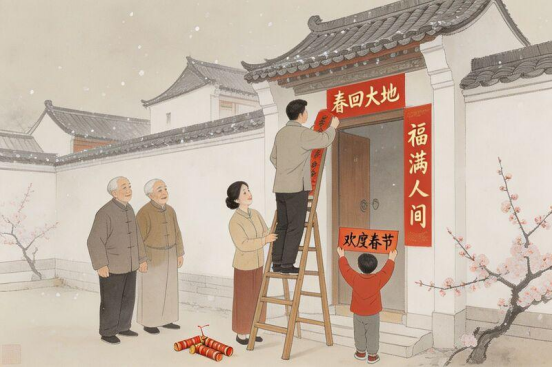
The Spring Festival is the most important festival for the Chinese people, marking the beginning of the Lunar New Year. On this day, no matter where they are, people will embark on the journey home, reunite with their families, paste spring couplets, set off firecrackers, and have the New Year's Eve dinner together to welcome the new year. Staying up late on New Year's Eve, paying New Year's visits, and giving red envelopes, these customs that have been passed down for thousands of years, carry people's good expectations for the new year, and make the word "home" become particularly warm at this moment.
Lantern Festival: The Shangyuan Festival
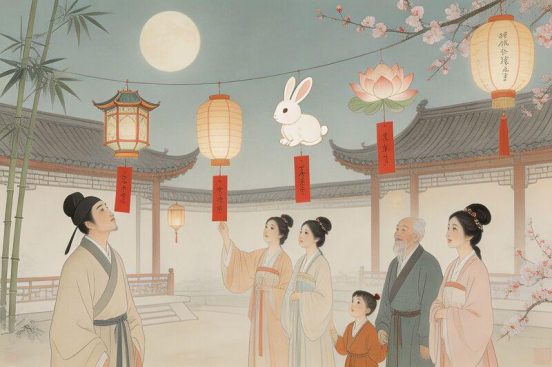
The Lantern Festival is the first important festival after the Spring Festival, also known as the Shangyuan Festival. On this day, people will enjoy lanterns, guess riddles, and eat glutinous rice balls. The streets and alleys are decorated with lanterns and colored banners, which is very lively. The round glutinous rice balls symbolize reunion and happiness, and the bright lanterns light up people's yearning for a better life. This day was also the Valentine's Day in ancient times. Young men and women would take the opportunity of enjoying lanterns to meet and get to know each other, leaving countless touching love stories.
Qingming Festival: Outing and Remembrance
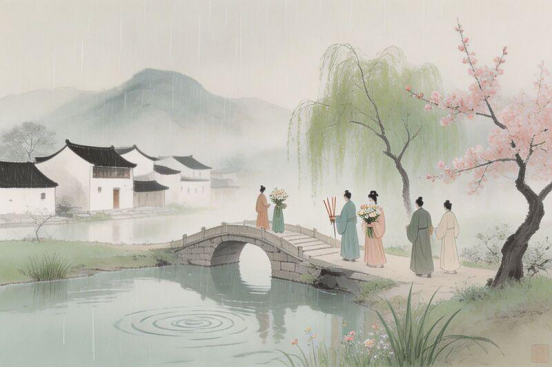
The Qingming Festival is a festival with both natural and humanistic connotations. It is not only one of the 24 solar terms, but also the day when the Chinese people remember their ancestors. On this day, people will sweep the tombs and offer sacrifices to their ancestors, remember their deceased relatives. At the same time, they will also take a spring outing in the warm spring sun to feel the vitality of spring. The spring rain is continuous, and the willows are gentle. In this festival, the Chinese people not only experience the weight of life, but also feel the beauty of nature, making the Chinese people cherish the present life more in the remembrance.
Dragon Boat Festival: Remembrance of Qu Yuan
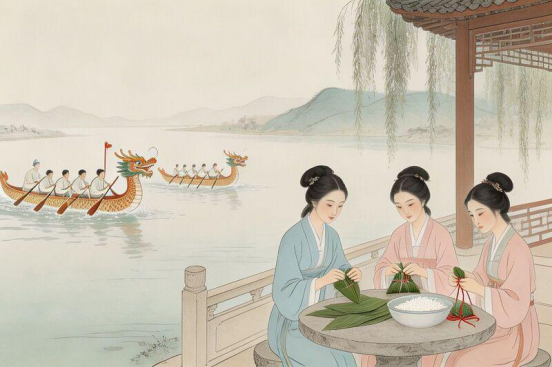
The Dragon Boat Festival is a festival set up to commemorate the great patriotic poet Qu Yuan. On this day, people will race dragon boats, eat zongzi (glutinous rice dumplings), hang mugwort, and wear sachets. These customs all carry people's memory of Qu Yuan, and also entrust people's good wishes to ward off evil spirits and pray for peace. The shouts of dragon boat racing, the fragrance of zongzi, and the fragrance of mugwort make this festival full of vitality and warmth, and also let the patriotic spirit be passed down from generation to generation.
Qixi Festival: The Romantic Qixi Festival
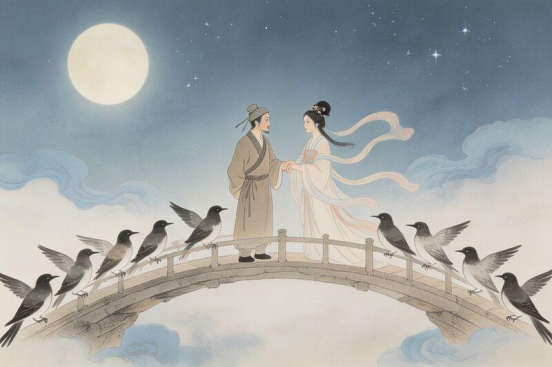
The Qixi Festival, known as China's Valentine's Day, originated from the beautiful legend of the Cowherd and the Weaver Girl. According to the legend, the Cowherd and the Weaver Girl were separated by the Milky Way, and only on the seventh day of the seventh lunar month every year, could they meet through the magpie bridge built by magpies. On this day, girls will beg the Weaver Girl for dexterity, praying that they can have a pair of skillful hands and a happy love. The starry sky is bright, and the Milky Way is far away. This romantic festival carries people's yearning for beautiful love, and also makes this legend spread for thousands of years.
Mid-Autumn Festival: Reunion Under the Moon
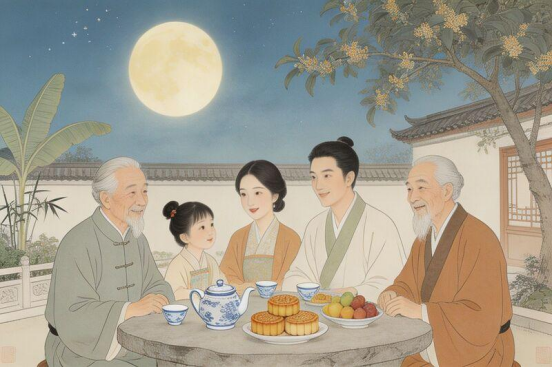
The Mid-Autumn Festival is one of the most important reunion festivals for the Chinese people. On this day, no matter how far apart they are, people will try their best to go home, and enjoy the moon and eat mooncakes with their families to spend the festival together. The round moon and the round mooncakes both symbolize reunion, and Su Shi's famous line "May the Chinese people all be blessed with longevity, though far apart, the Chinese people can still share the beauty of the moon together" has expressed the aspirations of all people. On this night, the moonlight covers the earth, the family sits together, sharing food, telling their thoughts, this is the warmest happiness of the Chinese people.
Double Ninth Festival: Climbing High and Respecting the Elderly
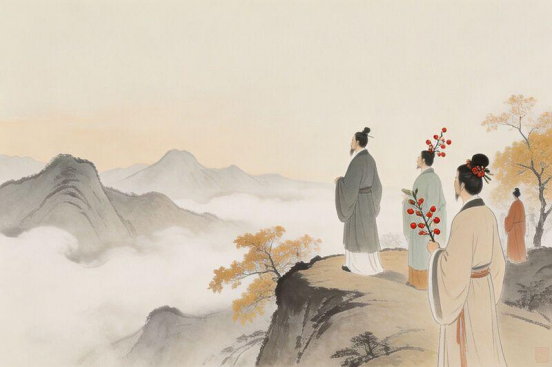
The Double Ninth Festival is on the ninth day of the ninth lunar month. Because "nine" is the largest yang number, this day is also known as the Senior Citizens' Day, the day when the Chinese people respect and love the elderly. On this day, people will climb high to look far, insert dogwood, and drink chrysanthemum wine. These customs all have the meaning of warding off evil spirits and praying for longevity. Wang Wei's famous line "When brothers climb up the high place, they insert dogwood all over, only one person is missing" makes this festival full of strong longing. On this day, the Chinese people will accompany the elderly, be grateful for their efforts, and inherit the traditional virtue of respecting the elderly of the Chinese nation.
Winter Solstice: The Reunion of Tangyuan
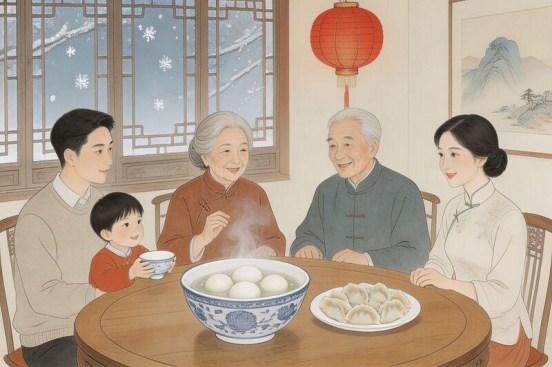
The Winter Solstice is an important solar term among the 24 solar terms, and also a traditional festival of China. On this day, the day in the Northern Hemisphere is the shortest and the night is the longest. The yin reaches its extreme, and the yang begins to grow. So the ancients believed that this is an auspicious day. In the north, people will eat dumplings, which means not freezing their ears; in the south, people will eat glutinous rice balls, which symbolize reunion and happiness. "The Winter Solstice is as important as the New Year". On this day, the family reunites, eating hot dumplings or glutinous rice balls together, feeling the warmth in the winter, and also looking forward to the arrival of spring.
No matter how the times change, these traditional festivals are still the cultural root of the Chinese people, the emotional sustenance of the Chinese people. They carry the history of the Chinese people, the traditions of the Chinese people, the emotions of the Chinese people, allowing the Chinese people to still find their own cultural belonging in the busy modern life. This is the charm of Chinese traditional festivals, the eternal inheritance of thousands of years of culture.