
 English
 French
 Spanish
 Russian
 Arabic
 Italy
Italy
Introduction
Chinese traditional clothing is an important carrier of Chinese culture. From the simple linen clothes in ancient times to the modern revival of Hanfu, after thousands of years of development, it has long been integrated into the blood of the Chinese people, becoming a unique cultural symbol of the Chinese people. Every piece of clothing carries the aesthetics, etiquette and culture of the Chinese people, and it can still show the cultural heritage of the Chinese people to the world after thousands of years.
As one of the oldest clothing cultures in the world, Chinese traditional clothing is not just a tool to cover the body and keep warm, but also the external expression of the culture and spirit of the Chinese people. It integrates the philosophical thoughts, aesthetic pursuits and etiquette traditions of the Chinese people, forming a unique clothing culture system that has influenced the clothing development of the entire East Asia region.
The Elegance of Hanfu: The Inheritance of Han Nationality's Clothing
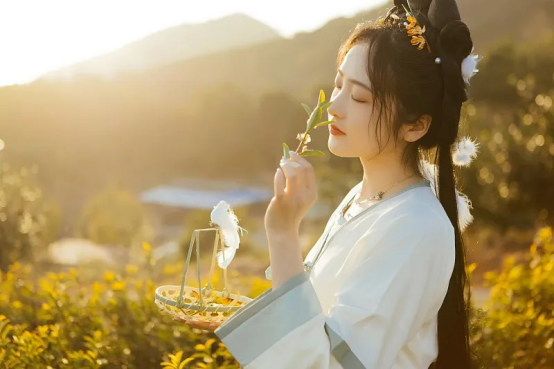
Hanfu is the traditional clothing of the Han nationality, which has been inherited for thousands of years, from the Yellow Emperor period to the late Ming and early Qing dynasties. The characteristics of Hanfu are cross-collar, right lapel, wide robe and large sleeves, with smooth overall lines, reflecting the "harmony between man and nature" aesthetic concept of the Chinese people. Different styles, such as Ruqun, Shenyi, Zhiju, have different uses. Shenyi even integrated the concepts of "compass, square, rope, weight, balance" into it, reflecting the moral pursuit of the Chinese people.
The colors and patterns of Hanfu also have strict regulations, different ranks have different colors and patterns, reflecting the hierarchical system of ancient China. At the same time, the wide robe and large sleeves of Hanfu also reflect the calmness and elegance of the Chinese people, becoming a business card of Chinese culture.
The Grandness of Tang Clothing: The Clothing Vigor of the Prosperous Tang Dynasty
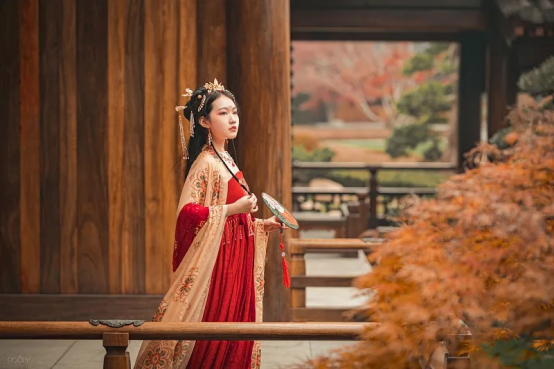
The Tang Dynasty was the peak period of Chinese clothing culture. With strong national power and open culture, the clothing of the Tang Dynasty was elegant and luxurious, with bright colors and various styles. The Ruqun of women, with exposed chest and arms, reflected the openness and confidence of the Tang Dynasty; the round collar robe of men became the mainstream at that time, influencing the clothing culture of the entire East Asia.
The clothing of the Tang Dynasty also absorbed the elements of Hu clothing, Hu hats and Hu boots became the fashion at that time, reflecting the tolerance of Tang culture. This open clothing culture made the clothing of the Tang Dynasty the fashion center of the world at that time, attracting people from all over the world to come to learn and imitate.
The Elegance of Song Style: The Refined Clothing of the Song Dynasty
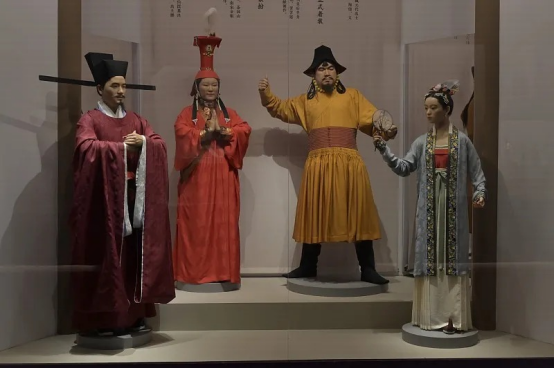
The clothing of the Song Dynasty changed the grandness of the Tang Dynasty, and moved towards elegance and simplicity. The aesthetics of the Song Dynasty advocated rationality and elegance, the colors of clothing were light, the styles were simple, reflecting the aesthetic pursuit of literati. The Beizi of women became the mainstream at that time, simple and elegant; the clothing of men was also more simple, reflecting the introversion and restraint of the Song Dynasty.
The clothing of the Song Dynasty paid more attention to practicality and comfort, while retaining the traditional etiquette. This simple aesthetic influenced the development of later clothing, becoming the most literati-style style in Chinese traditional clothing.
The Charm of Qipao: The Clothing Innovation of the Republic of China
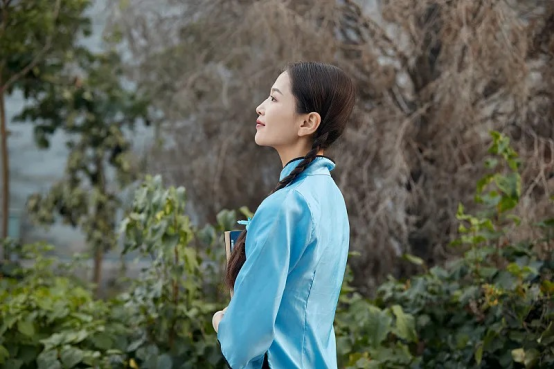
During the Republic of China period, Qipao became the representative clothing of Chinese women. Qipao integrated the traditional Manchu clothing and Western tailoring, perfectly showing the figure curve of women, while retaining the traditional elements such as stand collar and frog buttons.
Qipao has become the symbol of Chinese women, elegant and intellectual, reflecting the unique charm of Chinese women, and it is still a classic in the world fashion industry today. It not only retains the traditional Chinese cultural elements, but also absorbs the Western modern aesthetics, becoming a model of the integration of Chinese and Western culture.
Colorful Ethnic Groups: The Clothing Culture of Ethnic Minorities
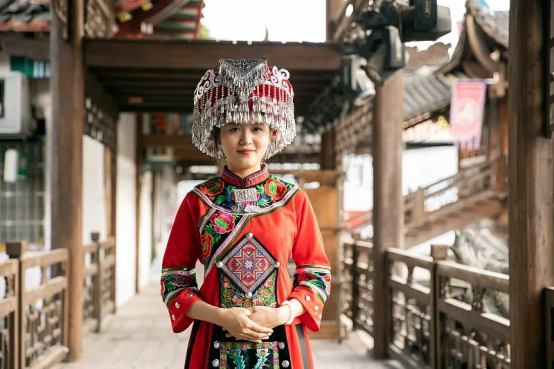
China is a multi-ethnic country, 56 ethnic groups all have their own unique clothing culture. The silver ornaments of the Miao ethnic group are exquisite, which is the symbol of Miao culture; the robe of the Mongolian ethnic group is warm and practical, adapting to the grassland life; the Zangpao of the Tibetan ethnic group is thick and gorgeous, reflecting the characteristics of the plateau; the Atlas silk of the Uyghur ethnic group is bright in color, full of the western regions style.
These colorful ethnic costumes together constitute the rich connotation of Chinese clothing culture. The clothing of each ethnic group adapts to their living environment, carries their culture and history, and shows the diversity and tolerance of Chinese culture.
Pattern Meanings: Cultural Symbols in Clothing
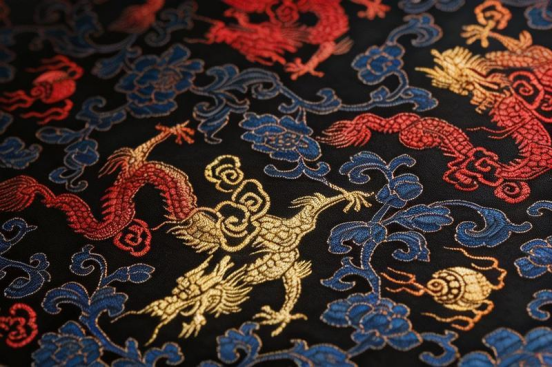
The patterns of Chinese traditional clothing all have unique meanings. The dragon pattern is the symbol of imperial power, representing dignity and authority; the phoenix pattern is the symbol of the queen, representing auspiciousness and beauty; the cloud pattern represents good luck; the peony pattern represents wealth and glory; the bat pattern, because the homophony means "blessing", represents good fortune.
These patterns are not just decorations, but also cultural symbols of the Chinese people, carrying the good wishes of the Chinese people. Each pattern has its own story, and all reflect the yearning of the Chinese people for a better life, becoming the most culturally connotative part of Chinese traditional clothing.
Clothing and Etiquette: Traditional Etiquette in Clothing
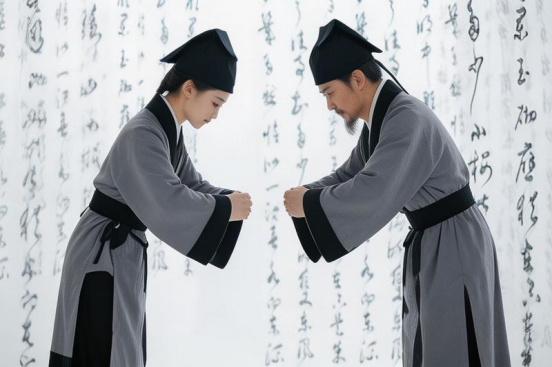
Chinese traditional clothing is inseparable from etiquette. "A country of clothes and hats, a state of etiquette", clothing is an important part of etiquette. On different occasions, people need to wear different clothes, sacrificial clothes for sacrifice, court clothes for court meetings, daily clothes for daily life.
The meeting etiquette is also related to clothing, bowing and saluting, all need to cooperate with the movements of clothing, reflecting the etiquette culture of the Chinese people. Clothing is not just a tool to cover the body, but also the embodiment of the etiquette and culture of the Chinese people, it makes the etiquette of the Chinese people have an external carrier, and makes the inheritance of culture have a visible form.
Millennium Inheritance, the New Life of Clothing
After thousands of years of development, Chinese traditional clothing has long been integrated into the blood of the Chinese people, becoming the cultural gene of the Chinese people. It is not just clothes, but also the carrier of the aesthetics, etiquette and culture of the Chinese people, showing the cultural heritage of the Chinese people to the world.
No matter how the times change, these traditional clothes are still the cultural root of the Chinese people. Today, the wave of Hanfu revival has brought these traditional clothes back to the life of the Chinese people, inheriting the thousand-year culture, and showing the charm of Chinese culture to the world.