English
 French
 Spanish
 Russian
 Arabic
 Italy
Italy
Zhanjiang City Profile
Zhanjiang's civilization history can be traced back to the Neolithic Age 8,000 years ago. The Liyudun Shell Mound Site in Suixi, known as "the First Village of Leizhou Peninsula", bears witness to the early coastal civilization of the ancient Yue people who fished and farmed here. In the 6th year of the Yuanding reign of the Western Han Dynasty (111 BC), Emperor Wu of Han established Xuwen County. Xuwen Port became an important starting port of the ancient Maritime Silk Road, through which silk and porcelain from the Central Plains were exported overseas, initiating Zhanjiang's thousand-year-old marine trade culture. In the 25th year of the Guangxu reign of the Qing Dynasty (1899), Zhanjiang was leased to France and called "Kwangchow Wan", leaving behind arcade buildings integrating Chinese and Western styles and unique historical imprints.
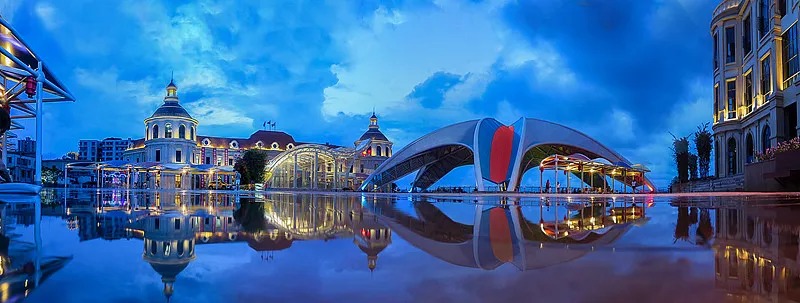
Today, Zhanjiang is accelerating its development into an important growth pole of the modern coastal economic belt. Relying on its unique port resources and geographical advantages, major projects such as the BASF integrated base and Baosteel Zhanjiang Iron and Steel have been successively implemented, and the port-side industrial cluster is accelerating its formation. The city presents a unique pattern of "one bay with two banks", where blue seas and clear skies complement modern buildings. It has successively won the titles of National Sanitary City, National Garden City and China Excellent Tourism City.
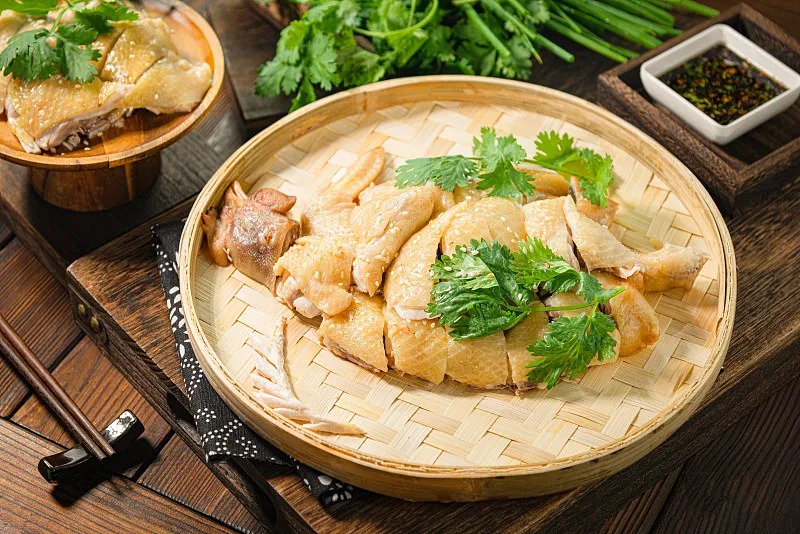
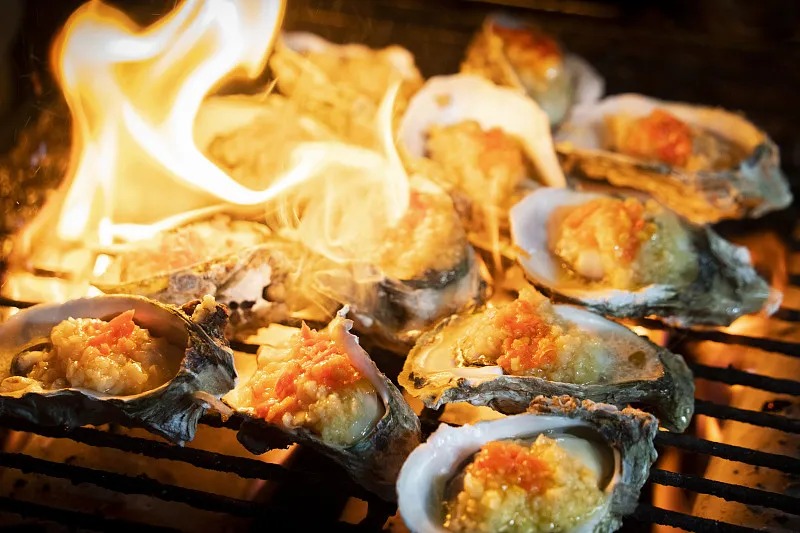
Famous Attractions and Cuisine of Zhanjiang
Zhanjiang boasts unique tourism resources, integrating volcanic wonders, coastal scenery and human history. Huguangyan Scenic Area is home to one of only three remaining maar lakes in the world. The 12.9-square-kilometer volcanic lake is as clear as a mirror, reflecting the thousand-year-old Lengyan Temple. The wonder of "the lake reflecting twin pagodas" in the morning mist is breathtaking. Chikan Old Street is the historical heart of Zhanjiang. Its 600-year-old arcade corridor preserves architectural styles from 28 countries. It is also the main filming location of the hit TV series The Bad Kids. Walking through it, you can experience the perfect blend of Nanyang style and local market atmosphere.
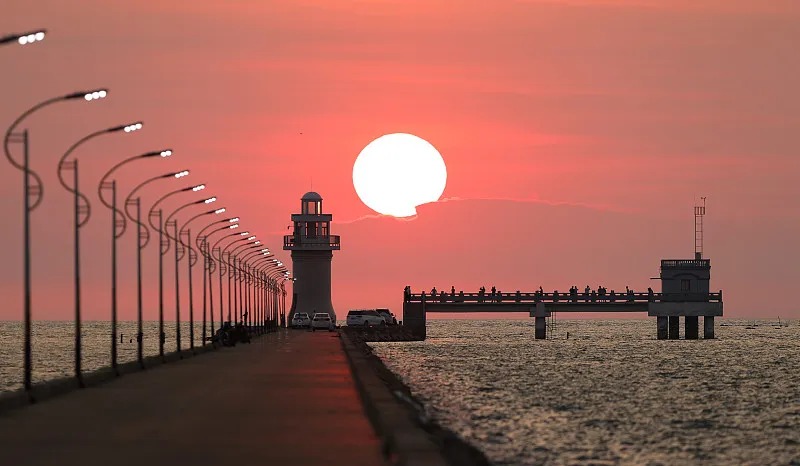
Naozhou Island is the largest volcanic island in China. The Naozhou Lighthouse on the island is one of only two crystal mirror lighthouses in the world, witnessing a century of maritime history. Donghai Island has Longhaitian Beach, the "China's Longest Beach" stretching 28 kilometers. The beach is wide and gentle, making it an excellent place to watch the sunrise and surf. The 800-hectare mangrove reserve on Techeng Island is like a jade on the sea. When the tide recedes, mudskippers and fiddler crabs play on the mudflats, full of vitality. The Xuwen Pineapple Sea is even more famous. The 300,000-mu contiguous pineapple fields form a shocking pastoral wonder. The rainbow highway runs through it, dotted with white windmills, and it is known as "one of the most beautiful pastoral areas in China".
Leizhou Sanyuan Tower Park is an important carrier of Leizhou culture. The Sanyuan Tower in the park was built during the Wanli reign of the Ming Dynasty. The tower is tall and elegant, and you can overlook the whole Leizhou Ancient City from the top. The park also preserves a large number of precious historical relics and inscriptions.