Inglese
 Francese
 Spagnolo
 Russo
Russo Arabo
Arabo Italia
L'arte cinese è un tesoro orientale con inciso il codice genetico della civiltà cinese. Tramandato da migliaia di anni, vanta l'eccellenza artigianale di fama mondiale, nonché il nucleo spirituale unico e la ricerca estetica del popolo cinese. All’interno del brillante spettro dell’arte cinese, la porcellana è senza dubbio il simbolo centrale con il più alto riconoscimento globale e il risultato più rappresentativo della civiltà cinese. Nella lingua inglese, la parola "Cina" ha un duplice significato: il paese stesso e la porcellana. Questo sottile doppio senso cattura perfettamente il profondo legame tra la porcellana e la cultura cinese. Sviluppata nel corso di oltre 3.000 anni, la porcellana cinese ha formato un sistema ceramico completo, diversificato e altamente sofisticato, che può essere suddiviso in quattro categorie principali in base alla tecnologia dello smalto, al periodo di cottura e alle caratteristiche funzionali. Ciascuna categoria ha caratteristiche estetiche, standard tecnici e valore storico distinti, che insieme compongono un capitolo brillante nella storia dell'arte cinese.
I. Porcellana smaltata monocromatica: l'origine della porcellana cinese e l'apice dell'estetica minimalista
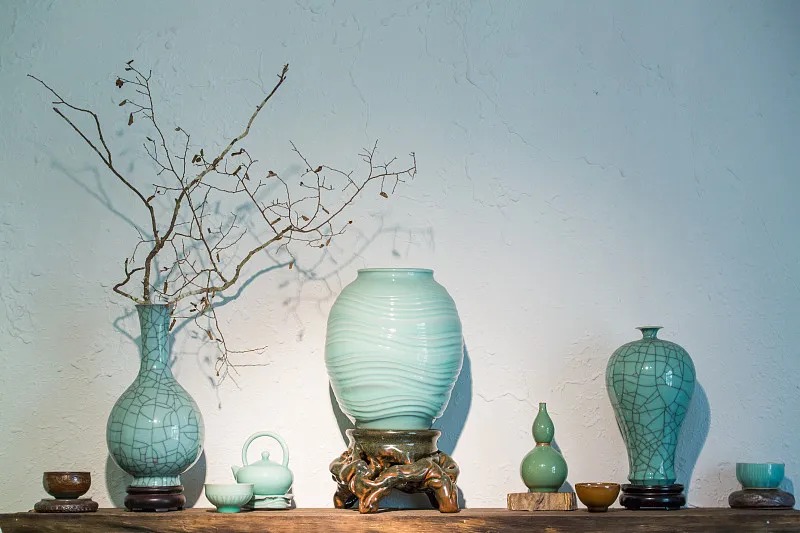
La porcellana con smalto monocromatico è il primo tipo maturo di porcellana cinese e l'incarnazione definitiva del concetto estetico cinese di "armonia tra uomo e natura". Presenta la bellezza del vaso con un solo colore di smalto, con requisiti estremamente severi per il corpo dell'argilla, la formula dello smalto e la temperatura di cottura. Conosciuto come "minimalismo in porcellana", è un modello di estetica minimalista nell'arte cinese.
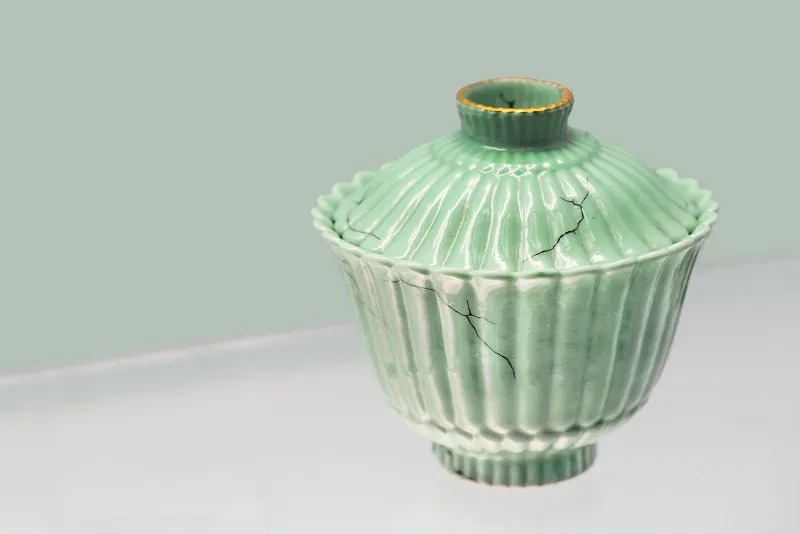
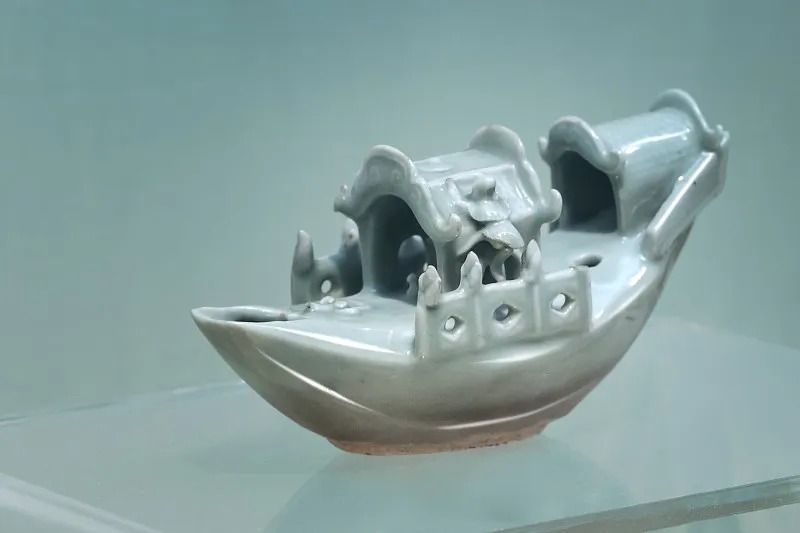
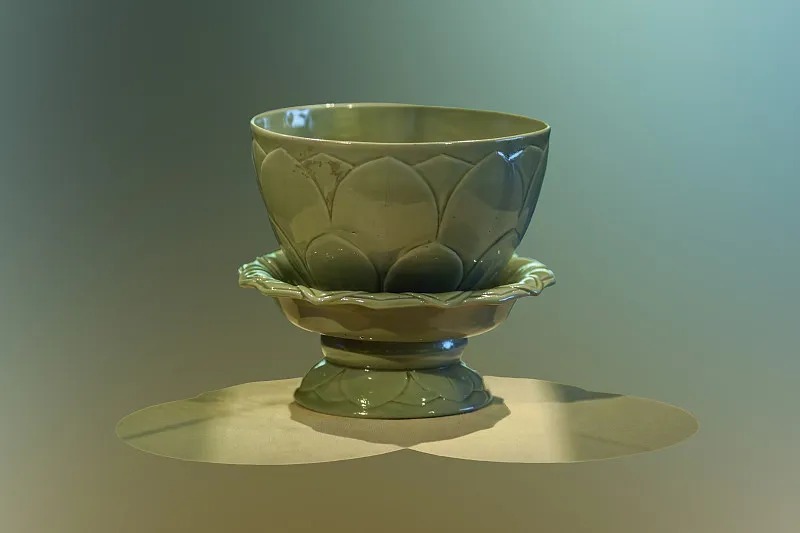
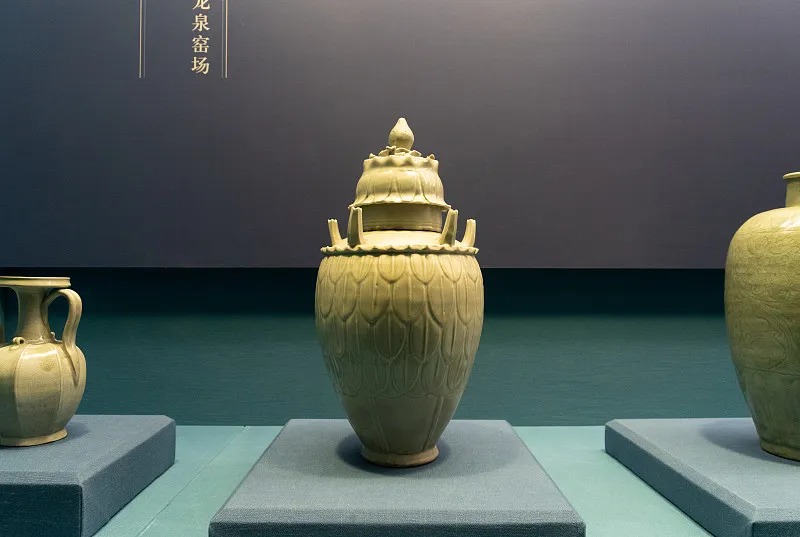
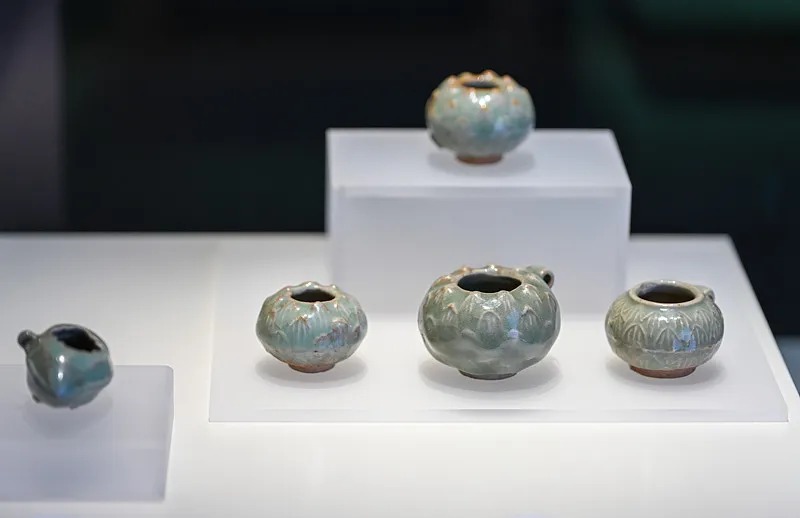
Celadon Conosciuto come l '"antenato" della porcellana cinese, il celadon maturo fu cotto per la prima volta durante la dinastia Han orientale, rendendolo la categoria di porcellana prodotta ininterrottamente da più tempo. Utilizza il ferro come colorante principale, cotto in una fiamma di riduzione per produrre una tonalità verde-turchese, con la ricerca centrale di una consistenza calda, simile alla giada, descritta come "come il ghiaccio, come la giada".
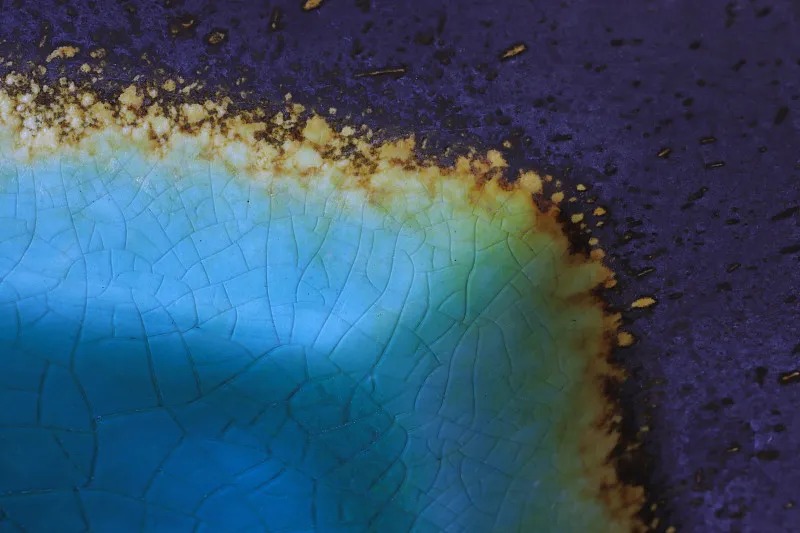
Rappresentanti classici: celadon dal colore segreto della fornace Yue della dinastia Tang (esclusivo per la famiglia reale, con i pezzi di punta portati alla luce dal palazzo sotterraneo del tempio Famen, caratterizzati da uno smalto limpido come l'acqua autunnale); Celadon del forno Longquan della dinastia Song (con verde polvere e verde prugna come smalti di prima scelta, ampiamente esportati all'estero durante le dinastie Song e Yuan come merce principale sulla via della seta marittima); Celadon Ru Kiln della dinastia Song (il primo dei Cinque Grandi Fornaci, famoso per il suo smalto azzurro cielo descritto come "il colore del cielo dopo la pioggia, quando le nuvole si aprono". Realizzato con agata mescolata allo smalto, meno di 100 pezzi sono sopravvissuti fino ad oggi, rendendolo una leggenda nella storia della ceramica mondiale). Inoltre, anche il forno Guan della dinastia Song e il forno Ge celadon appartengono al sistema celadon. Ge Kiln è stato il pioniere dell'estetica cinese dell'imperfezione con il suo motivo craquelé naturale noto come "fili d'oro e linee di ferro".
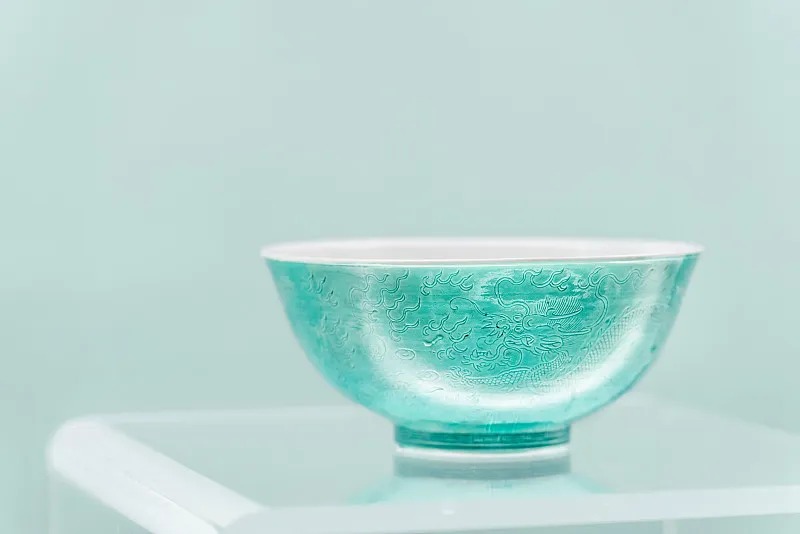
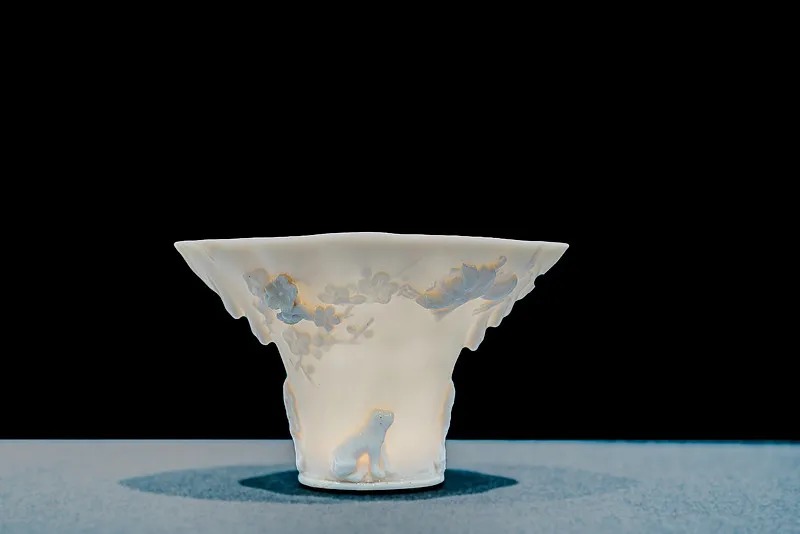
Porcellana biancaUna pietra miliare nello sviluppo della porcellana cinese, ruppe il secolare monopolio del celadon. Emerse per la prima volta durante la dinastia Qi settentrionale e maturò completamente durante le dinastie Sui e Tang. Il fulcro della sua produzione è ridurre il contenuto di ferro nel corpo e nello smalto per ottenere uno smalto bianco puro, che ha gettato le basi essenziali anche per lo sviluppo della porcellana colorata nelle generazioni successive.
Rappresentanti classici: porcellana bianca Xing Kiln della dinastia Tang (il nucleo del motivo "celadon del sud, bianco del nord", con uno smalto "come l'argento, come la neve", che serve come porcellana ufficiale della dinastia Tang e la prima porcellana bianca esportata); Porcellana bianca della dinastia Song Ding Kiln (l'unica categoria di porcellana bianca tra le Cinque Grandi Fornaci, con un corpo in argilla fine e un caldo smalto bianco avorio, famosa per le sue decorazioni intagliate e stampate, e usata come porcellana imperiale per la famiglia reale dei Song del Nord); Dolce porcellana bianca dell'era Yongle della dinastia Ming (l'apice dell'artigianato della porcellana bianca, con un corpo sottile come l'ala di una cicala, traslucido alla luce e uno smalto caldo e cremoso, onorato come "bianco come la neve accumulata, puro come il grasso rappreso").
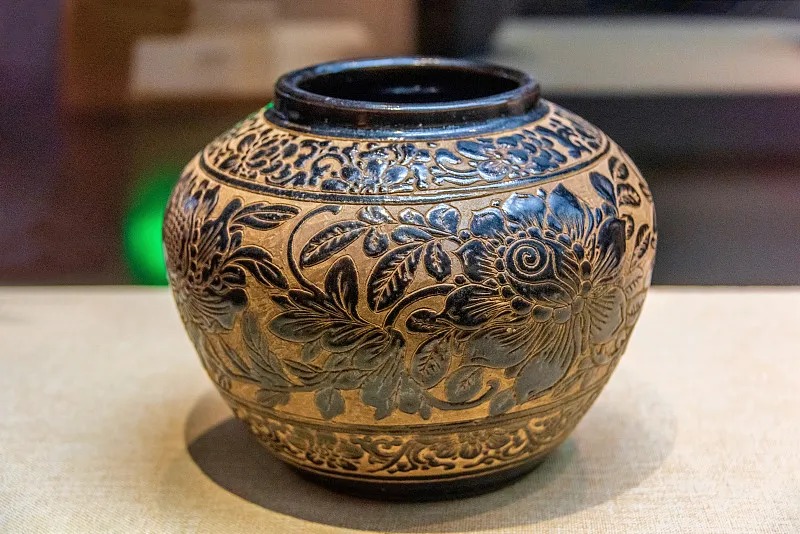
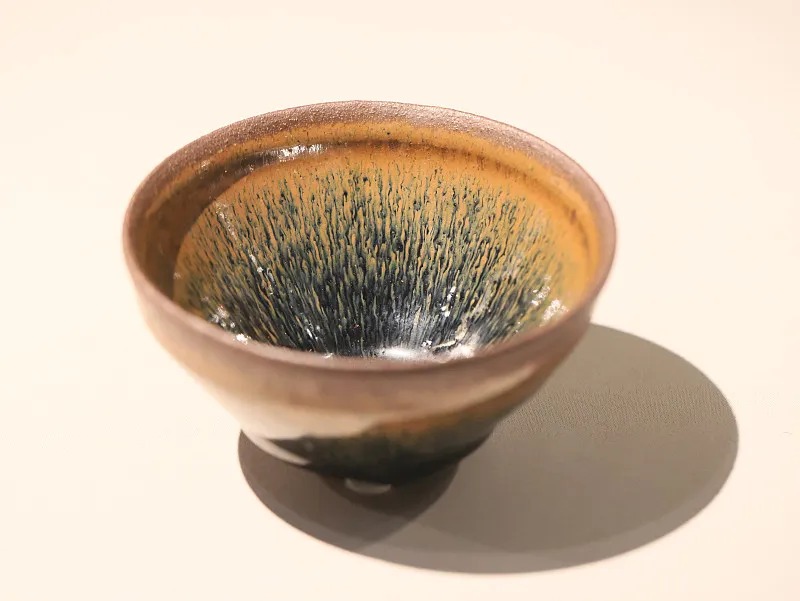
Porcellana smaltata neraUtilizzando il ferro come colorante, viene cotta ad alta temperatura per produrre una superficie smaltata nera pura. Apparve per la prima volta durante la dinastia Han orientale e raggiunse il suo apice durante la dinastia Song grazie alla popolarità dell'usanza della competizione del tè, diventando una categoria fondamentale di articoli da tè ricercata sia dai gruppi popolari che da quelli letterati della dinastia Song.
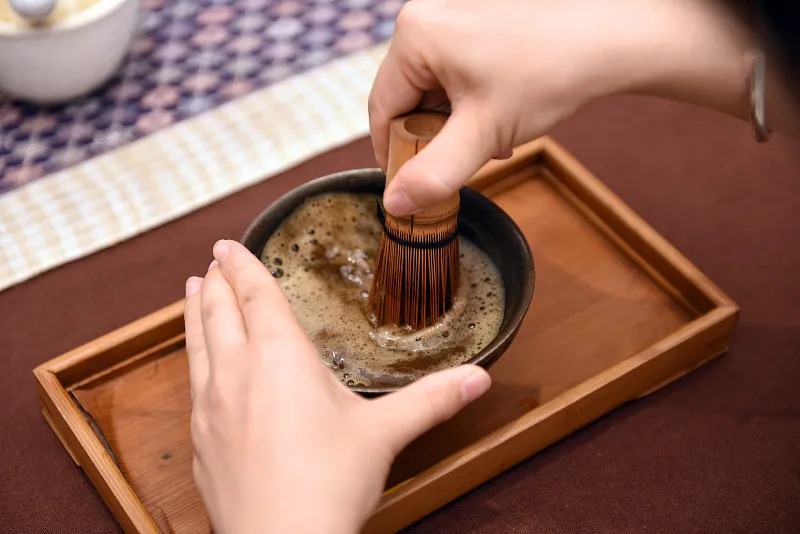
Rappresentanti classici: ciotole da tè Jianzhan della dinastia Song Jian Kiln (l'apice della porcellana smaltata nera, con pelliccia di lepre, macchia d'olio e yohen tenmoku come categorie di prima scelta. Tra queste, solo 3 ciotole e mezzo complete di yohen tenmoku sopravvivono nel mondo, elencate come tesori nazionali del Giappone. La loro superficie smaltata presenta un'iridescenza colorata alla luce, con difficoltà di cottura estremamente elevata); Porcellana nera Jizhou Kiln (caratterizzata da ciotole da tè in foglie e ciotole decorate ritagliate su carta, che sparano foglie naturali sulla superficie smaltata, creando modelli unici e ineguagliabili, pieni di caratteristiche dell'arte popolare).
Porcellana con smalto monocromatico in primo pianoLa lavorazione dello smalto monocromatico raggiunse il suo apice durante le dinastie Ming e Qing, dando vita a molti capolavori tramandati, tra cui porcellana con smalto rosso con rame come colorante (rosso Langyao, rosso Ji / rosso sacrificale, noto come "un tesoro tra mille fornaci" a causa della sua estrema difficoltà di cottura, utilizzata esclusivamente per i sacrifici reali), porcellana con smalto blu Ji con cobalto come colorante, smalto con polvere di tè e smalto rosso carminio, tutti categorie classiche delle fornaci ufficiali Ming e Qing.
II. Porcellana bianca e blu: il "simbolo nazionale" della porcellana cinese, la categoria più riconosciuta al mondo
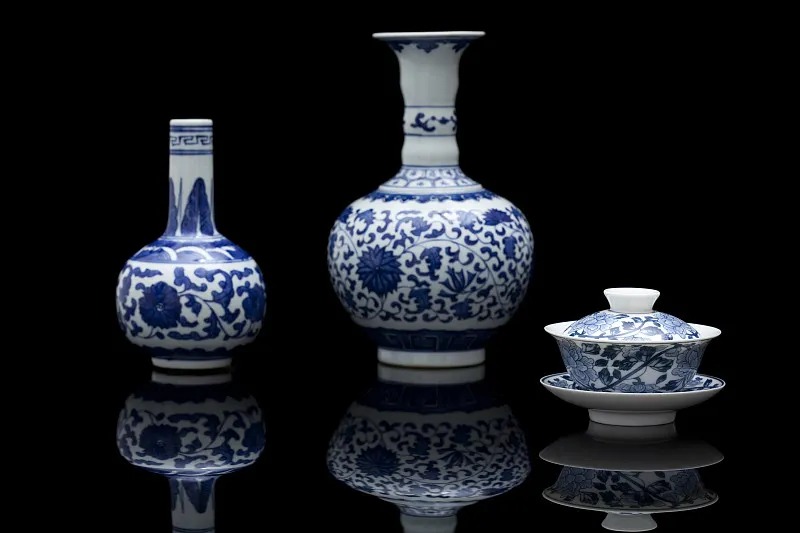
La porcellana bianca e blu appartiene alla porcellana decorata sottosmalto, ed è la categoria più rappresentativa della porcellana cinese, nonché la categoria dell'arte cinese più diffusa nel mondo. È dipinto con pigmento di cobalto sul corpo di porcellana non smaltata, ricoperto da uno strato di smalto trasparente e cotto in un unico passaggio ad alta temperatura di circa 1300°C. I motivi blu e bianchi non sbiadiscono mai, unendo perfettamente praticità e abilità artistica. Da quando è maturata durante la dinastia Yuan, ha occupato a lungo la posizione principale della porcellana cinese ed è stata esportata in Medio Oriente e in Europa attraverso la via della seta marittima, diventando il simbolo principale della cultura cinese che diventa globale.
Lo sviluppo della porcellana bianca e blu ha attraversato diverse fasi di punta, con le principali categorie classiche come segue:
1. Porcellana blu e bianca della dinastia Yuan
Pietra miliare della maturità della porcellana bianca e blu, ruppe la tradizione della porcellana semplice che dominava le dinastie Tang e Song. Utilizza materiale di cobalto "Suma-liqing" importato, con un colore ricco e brillante e macchie di ferro naturali. I vasi sono grandi e pieni, con ricchi strati di decorazioni, che coprono temi come storie di personaggi, paesaggi, fiori e uccelli. L'opera rappresentativa, il vaso Guiguzi che scende dalla montagna, è un'opera d'arte di alto livello nel mercato dell'arte globale.
2. Porcellana blu e bianca dell'era Yongle e Xuande
Forno ufficiale blu e bianco dei periodi Yongle e Xuande della dinastia Ming, conosciuta come "l'età dell'oro del blu e del bianco". Ha continuato a utilizzare il materiale di cobalto Suma-liqing, con un colore ricco e costante, forme grandiose e regolari e decorazioni squisite e potenti, fungendo da punto di riferimento per la porcellana ufficiale blu e bianca del forno.
3.Porcellana blu e bianca dell'era Chenghua
Durante il periodo Chenghua della dinastia Ming, passò al materiale domestico di cobalto Pingdengqing, con un colore elegante e morbido, un corpo sottile e delicato e uno stile fresco ed elegante, formando un netto contrasto con lo stile potente e grandioso di Yongle e Xuande blu e bianco. È un tipico rappresentante dell'estetica letterata della dinastia Ming.
4. Porcellana blu e bianca dell'era Kangxi
L'apice della porcellana blu e bianca durante la dinastia Qing, è stato il pioniere della tecnica della "separazione dell'acqua", che può dividere il blu e il bianco in quasi dieci tonalità di chiaro e scuro, con un forte effetto tridimensionale, noto come "blu e bianco con cinque colori". Ha una vasta gamma di temi ed è l'apice dell'artigianato blu e bianco della dinastia Qing.
III. Porcellana colorata: l'epitome dell'artigianato cinese della porcellana, lo splendido picco artistico
La porcellana colorata è una porcellana artigianale composita sviluppata sulla base di smalto monocromatico e porcellana blu e bianca, divisa principalmente in tre categorie: decorazione sottosmalto, decorazione soprasmalto e combinazione di decorazione sottosmalto e soprasmalto. Ha rotto la limitazione del colore a smalto singolo e dei due toni blu e bianco, presentando effetti artistici con colori ricchi e decorazioni dipinte. Raggiunse il suo apice tecnologico durante le dinastie Ming e Qing, ed è una categoria completa di porcellana cinese, nonché un modello di perfetta integrazione tra l'estetica della pennellata fine e l'artigianato ceramico nell'arte cinese.
1.Doucai (colori contendenti)
Una categoria classica che combina il blu sottosmalto e il bianco con i colori soprasmalto. Innanzitutto il contorno della decorazione è dipinto in blu e bianco sul corpo; dopo la cottura ad alta temperatura, i cinque colori vengono riempiti nel contorno blu e bianco sullo smalto, quindi cotti una seconda volta a bassa temperatura. La lavorazione artigianale è complessa e i colori sono brillanti e vivaci. Il suo apice è il Chenghua doucai della dinastia Ming, con l'opera rappresentativa la tazza di pollo Chenghua doucai. Piccolo e squisito, è un pezzo da forno ufficiale di prima qualità, e fin dai tempi antichi si dice che "una tazza di pollo Chenghua è difficile da comprare anche con mille pezzi d'oro".
2.Wucai (Cinque colori / Colori antichi / Colori duri)
Una classica porcellana colorata con sovrasmalto, che utilizza principalmente rosso, verde, giallo, blu, viola e altri colori, dipinta su porcellana bianca cotta, quindi cotta una seconda volta a bassa temperatura. I colori sono forti e sfrenati, con uno stile brillante e audace. Il Jiajing e il Wanli wucai della dinastia Ming e il Kangxi wucai della dinastia Qing sono le opere di punta, ed è una delle categorie di porcellana colorata più diffuse nelle dinastie Ming e Qing.
3.Falangcai (porcellana smaltata / porcellana dipinta con smalto)
La porcellana colorata di prima qualità delle fornaci ufficiali della dinastia Qing, conosciuta come "la fornace ufficiale tra le fornaci ufficiali". Introdotto dalle tecniche occidentali di pittura a smalto sul corpo in rame nel periodo Kangxi, fu trapiantato sul corpo di porcellana, esclusivamente per uso reale, e raramente circolò tra la gente. I suoi materiali di smalto sono rari e preziosi, e i dipinti sono tutti realizzati da pittori di alta corte, con colori brillanti e pieni e abilità pittoriche estremamente squisite, in grado di riprodurre perfettamente il fascino della pennellata delle opere calligrafiche e pittoriche. Le tre dinastie di Kangxi, Yongzheng e Qianlong sono l'apice del suo artigianato, ed è il soffitto dell'artigianato cinese della porcellana colorata.
4. Famiglia Rosa (colori tenui)
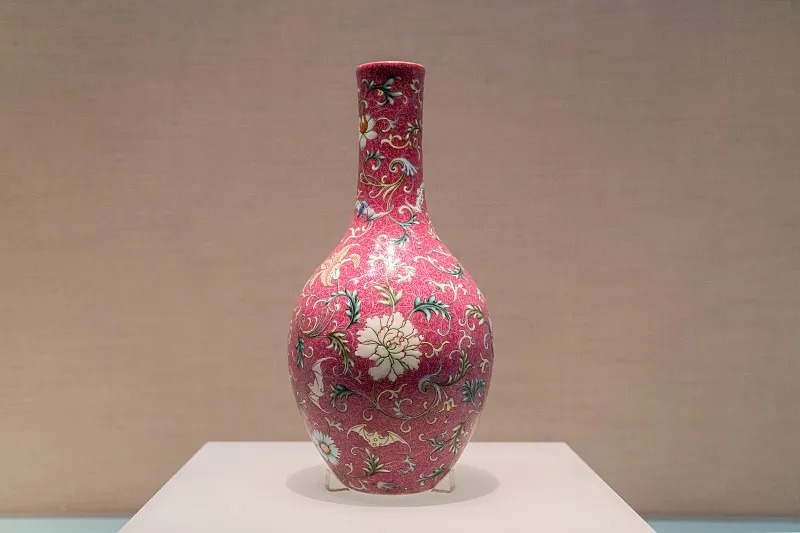
La categoria di porcellana colorata più diffusa durante la dinastia Qing, emerse nel tardo periodo Kangxi e raggiunse il suo apice nel periodo Yongzheng. Basandosi sulla tecnica della porcellana smaltata, utilizza il "vetro bianco" come base e i colori possono ottenere una transizione graduale morbida, con una consistenza calda e delicata, un forte effetto tridimensionale e uno stile elegante e morbido, formando un netto contrasto con i colori forti del wucai. Ha una vasta gamma di temi, da paesaggi, fiori e uccelli, storie di personaggi a modelli di buon auspicio. Possiede sia la massima squisitezza delle fornaci ufficiali reali sia il fascino concreto delle fornaci popolari, ed è la categoria di porcellana colorata più diffusa e popolare.
5.Guangcai (smalto cantonale)
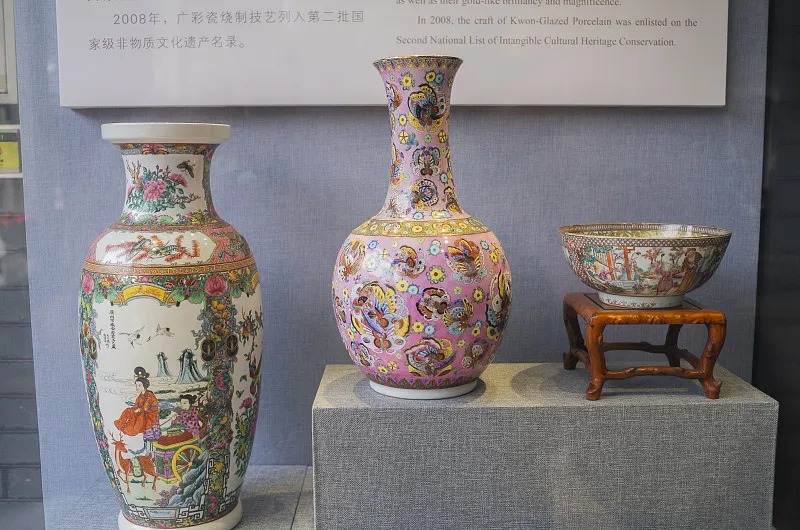
Esportazione di porcellana colorata appositamente personalizzata per il mercato estero durante la dinastia Qing, con Guangzhou come luogo principale di produzione e vendita. Integra gli stili estetici cinese e occidentale, con colori ricchi e pieni, decorazioni complesse e splendide e un gran numero di tecniche pittoriche occidentali e temi esotici. È la categoria principale del commercio di porcellana sulla via della seta marittima durante la dinastia Qing ed era popolare tra le famiglie reali e gli aristocratici d'Europa.
IV. Categorie in vetrina di porcellana classica
Oltre alle categorie principali di cui sopra, in Cina esistono molte categorie di porcellane classiche uniche, che insieme arricchiscono il tesoro dell'arte cinese:
1. Porcellana di grani di riso (porcellana Linglong)
Una delle quattro famose porcellane di Jingdezhen (blu e bianca, chicco di riso, famiglia rosa, smalto colorato). Scolpisce fori scavati a forma di chicco di riso sul corpo in porcellana, riempiti di smalto trasparente. Dopo la cottura, il recipiente è traslucido e squisitamente delicato, combinando l'eleganza del blu e del bianco con la squisitezza dello svuotamento. È una categoria classica delle fornaci ufficiali Ming e Qing.
2. Porcellana Flambé Glaze (Yaobian Glaze).
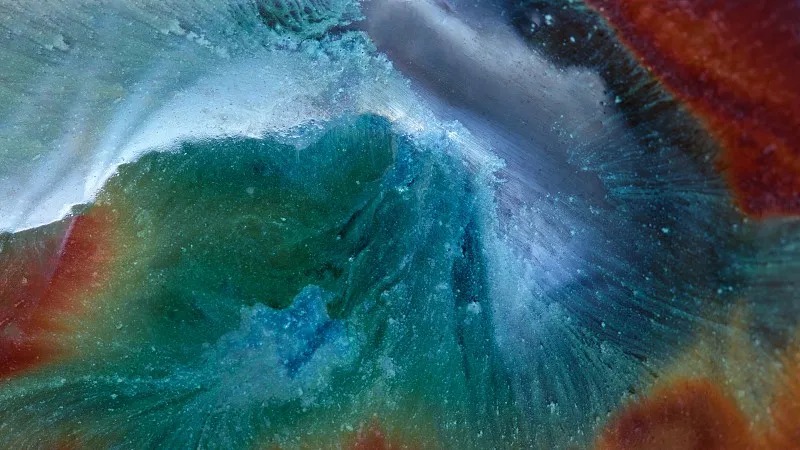
Rappresentato dal Jun Kiln, il nucleo è che lo smalto subisce una trasformazione naturale in forno durante la cottura ad alta temperatura, formando uno smalto di colore e consistenza unici. Viene descritto come "un colore quando entra nel forno, diecimila colori quando ne esce", e ogni pezzo è irriproducibile. Tra questi, il forno Jun della dinastia Song e lo smalto flambé Langyao della dinastia Qing sono i picchi rappresentativi.
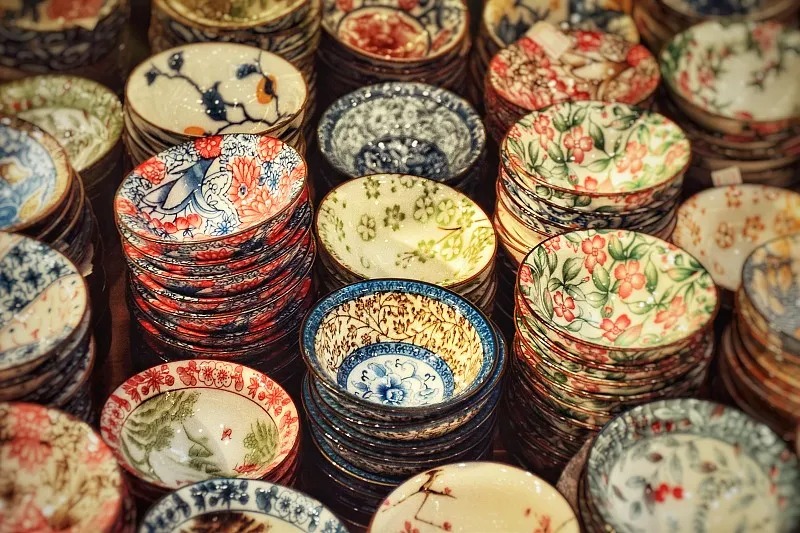
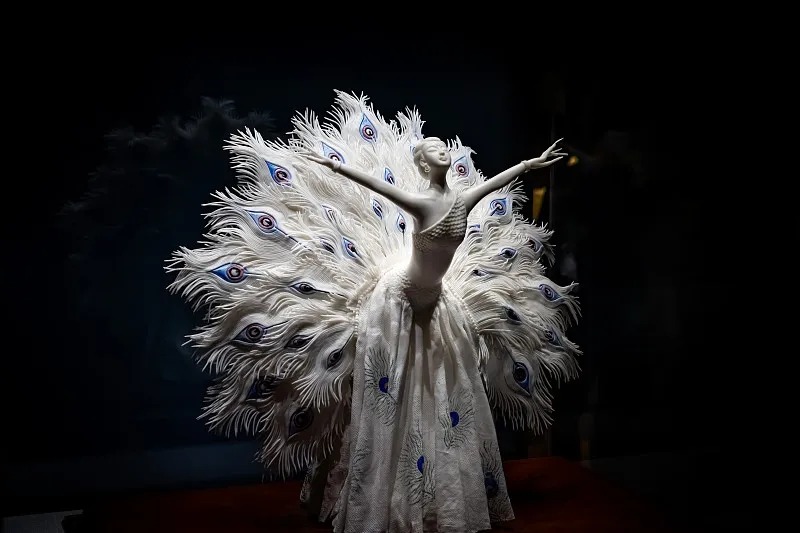
3. Scultura in porcellana
Opere scultoree realizzate in ceramica, che coprono molte categorie come statue di Buddha, figure, animali e ornamenti. La scultura in porcellana di Jingdezhen è la più famosa, con una squisita fattura in grado di riprodurre perfettamente l'espressione dei personaggi e i dettagli degli oggetti. È una categoria unica di porcellana cinese che unisce valore ornamentale e artistico.
L'anima centrale dell'arte cinese è sempre stata "i vasi incarnano il Dao". Dietro lo smalto, la decorazione e la lavorazione artigianale di ogni pezzo di queste porcellane millenarie si nasconde il rispetto del popolo cinese per la natura, l'adesione alla moralità e la ricerca dell'armonia. Oggi, queste porcellane tramandate sono tranquillamente esposte nei più importanti musei del mondo come il Palace Museum, il British Museum e il Louvre, e sono anche ringiovanite nelle mani di generazioni di artigiani del patrimonio culturale immateriale. Non rappresentano solo il patrimonio culturale della Cina, ma anche la ricchezza spirituale comune di tutta l’umanità, fungendo da ponte attraverso i confini nazionali e collegando il passato e il presente.