English
 French
 Spanish
 Russian
 Arabic
 Italy
Italy
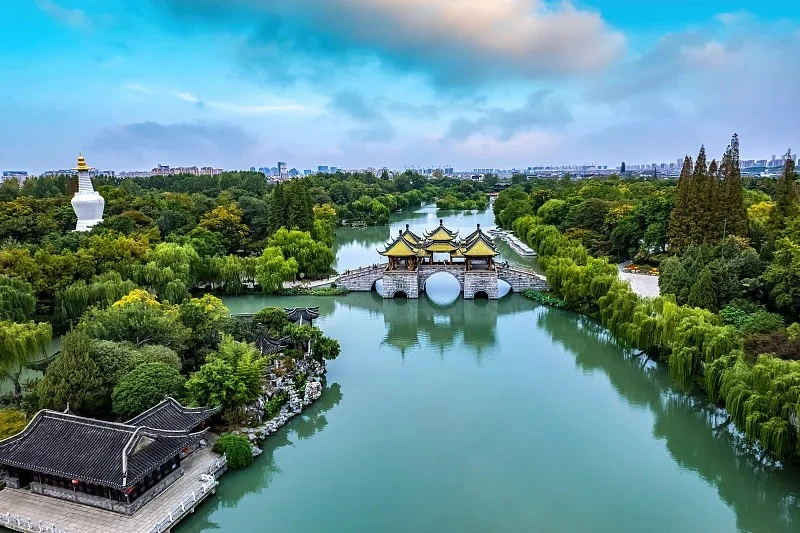
1. Slender West Lake
Slender West Lake is the city card of Yangzhou, a national 5A-level scenic spot, and also a World Cultural Heritage. It was originally named Baozhang Lake, because the waterway is thin and long, like the waist of a girl, it got the name "Slender West Lake". It is the representative of the lake gardens in China, with a total length of 4.3 kilometers. Along the lake, it connects many attractions such as Wuting Bridge, Twenty-four Bridge, White Pagoda, integrating the beauty of the south and the grandeur of the north.
In spring, the long dike with spring willows, peach red and willow green, is the most beautiful season in Yangzhou; in summer, the lotus wind sends fragrance, cool and pleasant; in autumn, the forests are dyed in layers, the lake and mountains are beautiful; in winter, wrapped in silver, like an ink painting. Countless literati and poets have left eternal poems here, the romance of "Going down to Yangzhou in the misty and rainy March" is perfectly reflected here.
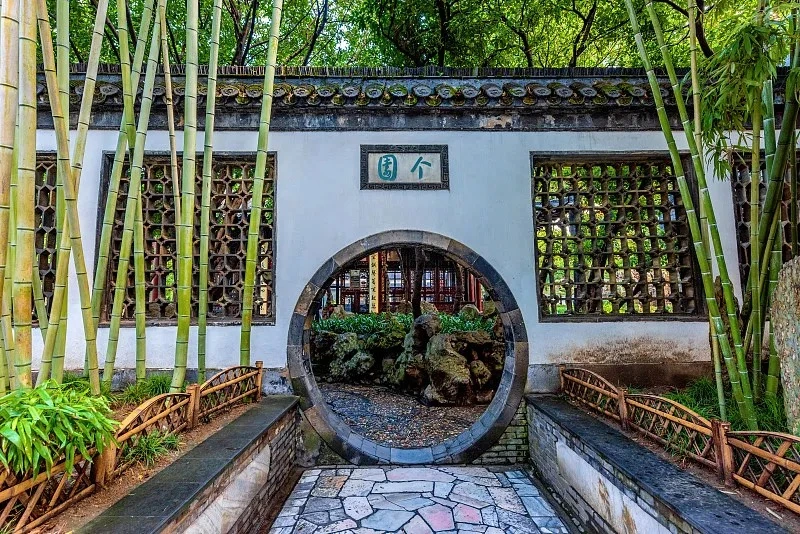
2. Ge Garden
Ge Garden is one of the Four Great Gardens of China, the private garden of Huang Zhiyun, a salt merchant of the Qing Dynasty. It is famous for its bamboo and stones. The character "Ge" in the garden name is exactly taken from the half of the character "Bamboo", echoing the green bamboos planted all over the garden. Its most famous feature is the "Four Seasons Rockery", which was praised by the garden master Chen Congzhou as "a unique case in China".
The garden maker used four different kinds of stones to create the artistic conception of four seasons in a small space: the spring mountain uses stone shoots with green bamboos, just like bamboo shoots after rain; the summer mountain is stacked with Taihu stones, exquisite and transparent, cool and green; the autumn mountain is stacked with yellow stones, powerful and towering, with forests dyed in layers; the winter mountain is piled with Xuan stones, white as snow, like a cold winter. In one garden, changing scenery with steps, it seems like traveling through the four seasons, fully showing the ingenuity of Jiangnan garden making.
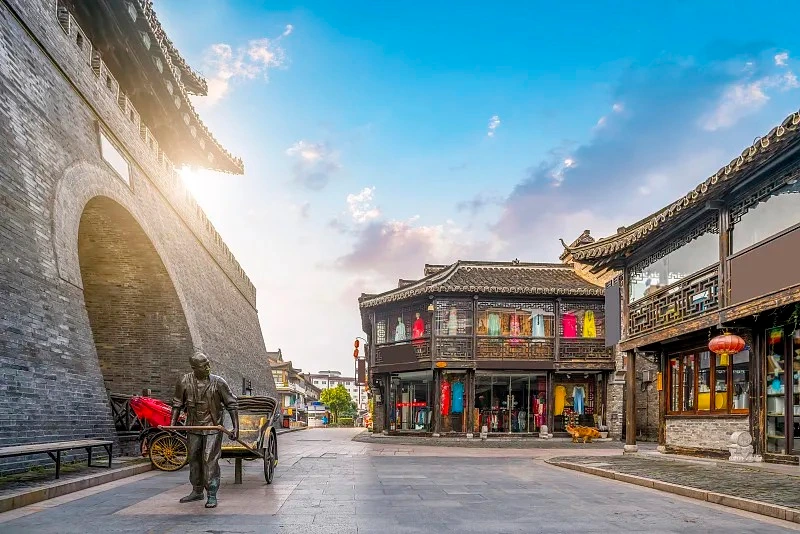
3. Dongguan Street
Dongguan Street is the most representative historical old street in Yangzhou, with a total length of 1122 meters. Its history can be traced back to the Tang Dynasty. It is the most completely preserved Ming and Qing commercial ancient street along the Grand Canal of China, and also one of the top ten historical and cultural streets in China. It extends from the Grand Canal in the east to Guoqing Road in the west. It used to be the key point of water and land transportation in Yangzhou, and also the center of commerce and culture.
Today's Dongguan Street retains the bluestone roads of the Ming and Qing dynasties, the ancient houses with blue bricks and black tiles, and the old brand shops are lined up. You can taste Yangzhou's characteristic snacks here, watch traditional craftsmen, visit celebrity's former residences such as Ge Garden and Wang's Small Garden, feel the thousand-year salt merchant culture and canal culture, and experience the most authentic Yangzhou market.
4. Yangzhou Fried Rice
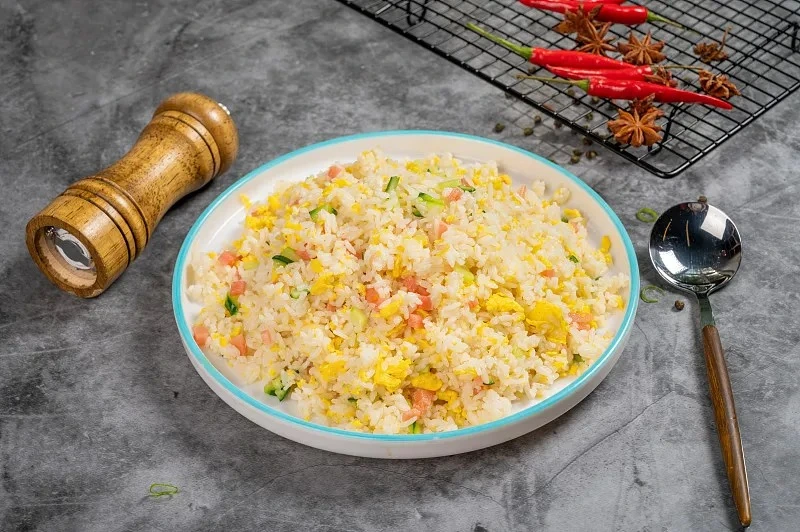
Yangzhou Fried Rice is the representative of Huaiyang cuisine, and also one of the most well-known Chinese food in the world. Its predecessor is the "Broken Gold Rice" of the Sui Dynasty, with a history of more than a thousand years. Now it is also a classic dish of the state banquet, known as "the ceiling of Chinese fried rice".
It has strict selection of materials and fine production. It evenly wraps each grain of rice with egg liquid, adds assorted ingredients such as shrimp, ham, green peas. After frying, the grains are distinct, loose, soft and hard, full of color, fragrant and glutinous. Each bite has rich layers, no greasy feeling at all. It is the favorite home-cooked delicacy of Yangzhou people, and also the classic that tourists must taste.
5. Yangzhou Lion Head
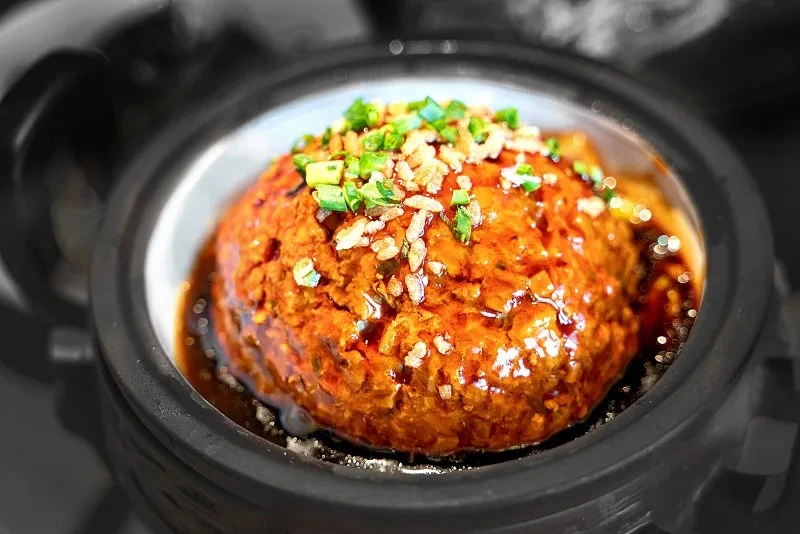
Yangzhou Lion Head is the soul famous dish of Huaiyang cuisine, with a history dating back to the "Sunflower Chopped Meat" of the Sui Dynasty, with a thousand years of history. Now it is also a guest of the state banquet, and it is the tongue memory engraved in the bones of Yangzhou people.
It selects pork belly with three parts fat and seven parts lean, hand-cut and roughly chopped, retaining the texture of the meat grains, formed into round meat balls, simmered slowly for several hours. The finished product has crispy and tender meat, melts in the mouth, not greasy, rich soup. Whether it is braised in brown sauce or steamed, it is delicious. Every bite hides the delicacy and tenderness of Huaiyang cuisine, it is the representative of Jiangnan food.
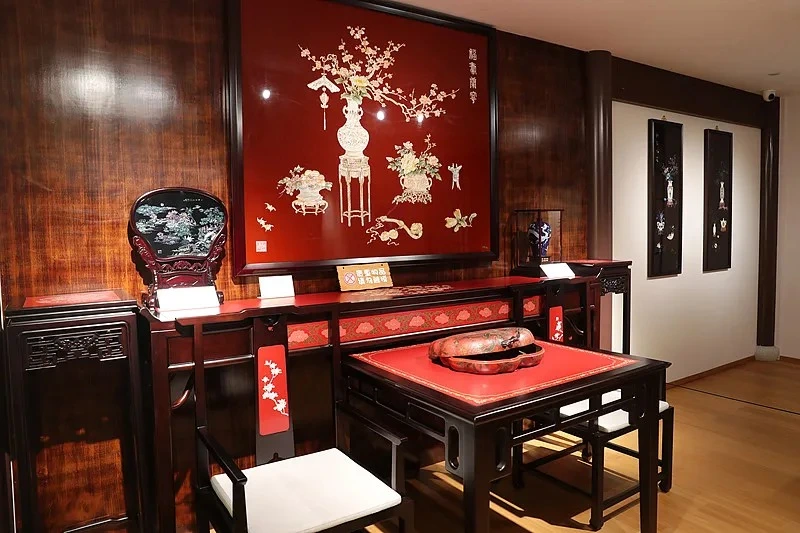
6. Yangzhou Lacquerware
Yangzhou Lacquerware Decoration Craft is a national intangible cultural heritage, with a long history of more than 2,300 years. It appeared as early as the Warring States Period, and reached its peak during the Ming and Qing dynasties. It used to be a tribute to the royal family, and now it is the cultural card of Yangzhou.
Its craft is extremely exquisite, with ten major craft categories such as point snail, carved lacquer, carved lacquer inlaid jade. Among them, the point snail craft even grinds the shell to the thickness of a hair, inlaid on the lacquerware, flowing with light. A exquisite Yangzhou lacquerware often takes craftsmen months or even years to complete, with bright colors and elegant style, fully showing the oriental aesthetics and ingenuity, inheriting the thousand-year lacquer rhyme.