English
 French
 Spanish
 Russian
 Arabic
 Italy
Italy
1. Humble Administrator's Garden
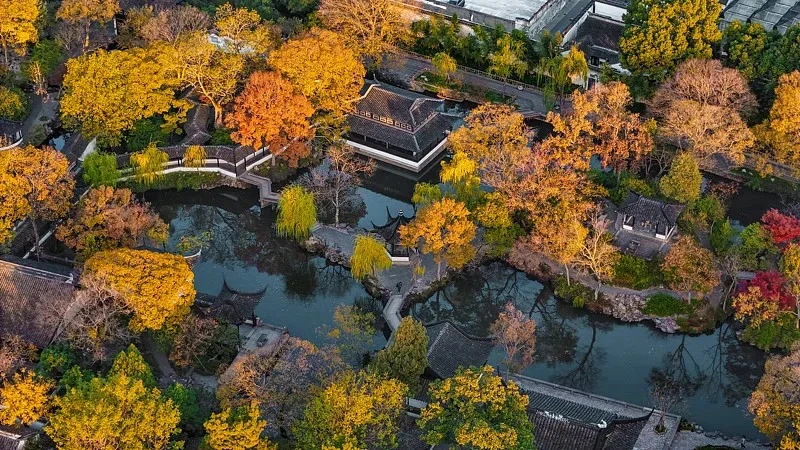
Humble Administrator's Garden is located in Gusu District, Suzhou. It ranks first among the Four Great Gardens of China and is also a World Cultural Heritage. Built during the Zhengde reign of the Ming Dynasty, it was co-designed by the famous Ming Dynasty painter Wen Zhengming. The entire garden takes water as its core, divided into three parts: east, central and west. The central part is the essence of the whole garden, where classic attractions such as Yuanxiang Hall and Xiaofei Hong fully show the garden-making art of Jiangnan gardens. The water surface accounts for nearly one-fifth of the whole garden, with mountains and rivers lingering, flowers and trees flourishing, every step revealing the essence of the literati gardens of the Ming Dynasty.
Humble Administrator's Garden has completely different styles in different seasons. In summer, the lotus pond in front of Yuanxiang Hall is in full bloom, with the lotus wind blowing and the fragrance spreading far away; in autumn, listening to the rain on the residual lotus in front of Liuting Pavilion is full of poetic charm; the magnolia in spring and the wintersweet in winter all add different charms to this garden. Walking in it, it seems like traveling back to the Jiangnan literati courtyard hundreds of years ago. Every detail hides the ingenuity of the garden maker, letting people understand the true meaning of "Jiangnan gardens are the best in the world, and Suzhou gardens are the best in Jiangnan".
2. Zhouzhuang Ancient Town
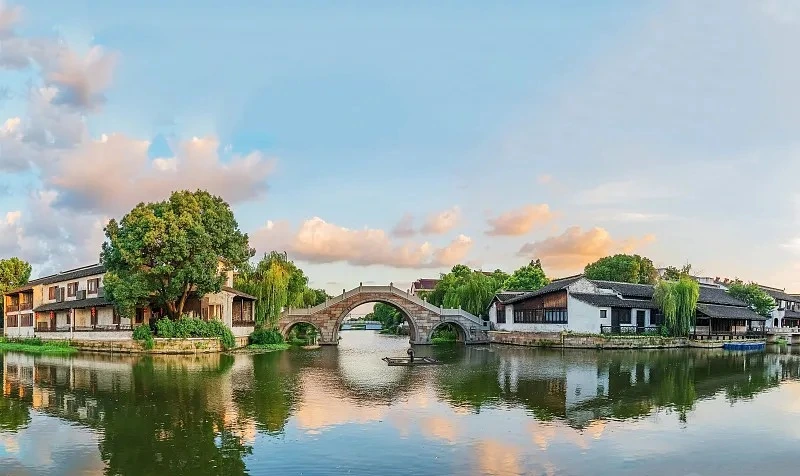
Zhouzhuang Ancient Town is known as "the first water town in China" and ranks first among the Six Great Jiangnan Ancient Towns. The whole town is laid out with well-shaped waterways, retaining 14 ancient bridges from the Yuan, Ming and Qing dynasties. More than 60% of the residential buildings are from the Ming and Qing dynasties, and more than 800 indigenous residents live by the river. It is a living water town museum and also an ancient town on the World Cultural Heritage Tentative List.
Zhouzhuang is even more moving at night. In the brightly lit ancient alleys, the sculling boats pass through the water alleys, with the sound of the oars. The red lanterns on both sides are reflected in the water, fully showing the Jiangnan poetic charm of small bridges, flowing water and families. Here, you can listen to the Wu dialect Pingtan, taste the fragrance of Grandma's tea, and feel the most authentic Jiangnan water town life, as if time has slowed down here.
3. Pingjiang Road Historical Block
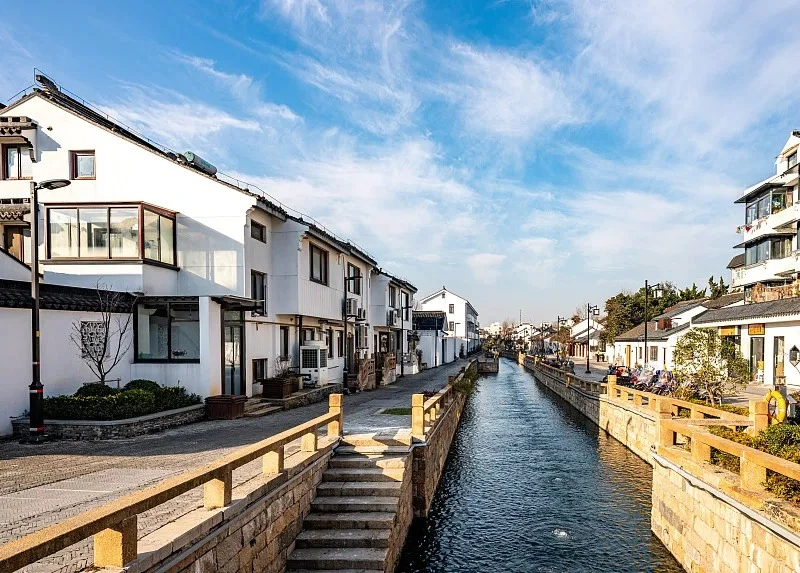
Pingjiang Road is the most completely preserved historical and cultural block in the ancient city of Suzhou, with a history of more than 2,500 years. It is known as "One Pingjiang Road, half of Gusu City". It retains the Song and Yuan pattern of "parallel water and land, adjacent river and street". The 1.6-kilometer ancient street, with winding bluestone roads, small bridges and flowing water passing through the alleys, and white walls and black tile houses built by the river, is the epitome of the ancient city of Suzhou.
Today's Pingjiang Road, historical sites and literary shops coexist, the ancient rhyme of Pingtan and the melody of guitar are intertwined. It has both the market of old Suzhou and the literary atmosphere of new Jiangnan. Walking here, you can visit characteristic small shops, taste authentic Su-style snacks, listen to a Wu dialect Pingtan, feel the most real Gusu life, and understand the tenderness and poetry of Jiangnan.
4. Squirrel-shaped Mandarin Fish
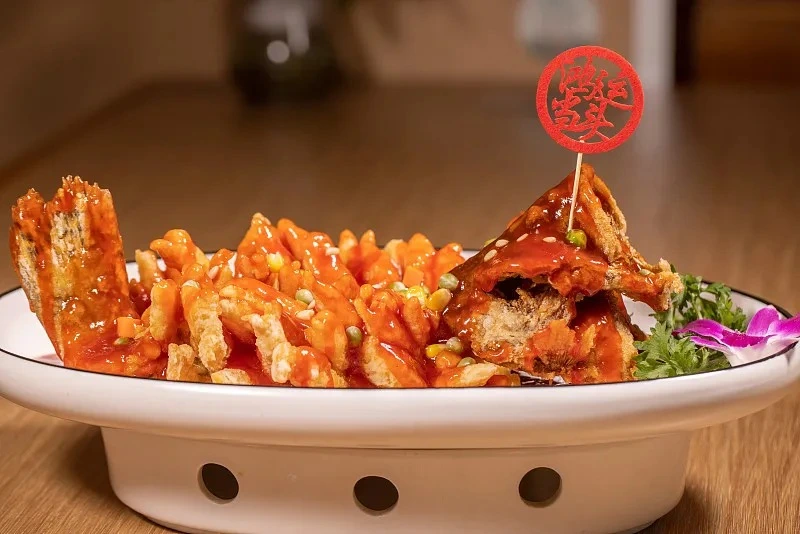
Squirrel-shaped Mandarin Fish is a representative famous dish of Su-style cuisine, with a history dating back to the Qing Dynasty. Legend has it that when Emperor Qianlong went to the south of the Yangtze River, he tasted this dish at Songhe Tower and praised it highly. Since then, this dish has become famous all over the world. In 2018, it was also selected as one of the top ten classic dishes of Jiangsu, and it is the face of Su-style cuisine.
This dish cuts fresh mandarin fish with flower knives, fries it until it is golden and fluffy, shaped like a squirrel. When serving, pour the hot sweet and sour marinade, it will make a squeaking sound, just like the cry of a squirrel. The finished product is crispy outside and tender inside, sweet and sour, with attractive golden color. Every bite hides the delicacy and ingenuity of Jiangnan people, it is a classic delicacy that you must taste when you come to Suzhou.
5. Crab Roe Soup Dumplings
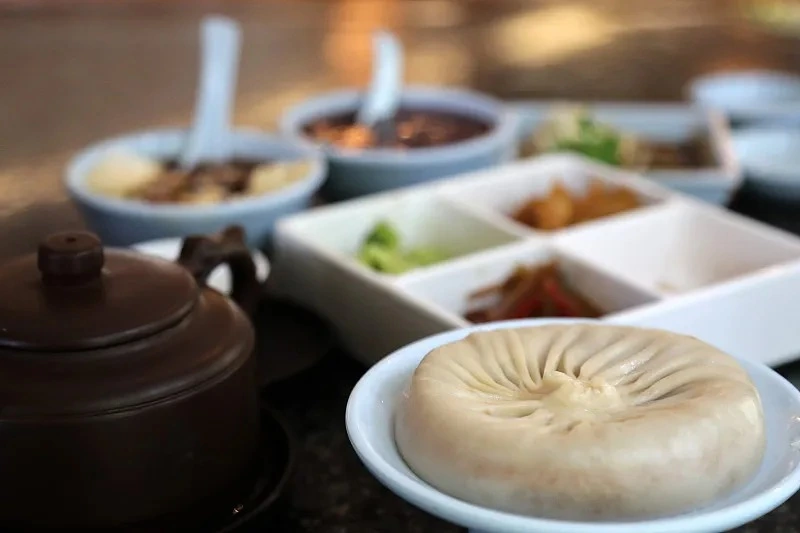
Crab Roe Soup Dumplings are a classic snack in Suzhou, with a long history, dating back to the Song Dynasty at the earliest. After thousands of years of inheritance and improvement, they have become the representative of Jiangnan snacks. This snack pays attention to "thin skin, more soup, full filling", it is the signature delicacy on the dining table of Suzhou people, and also the characteristic snack that tourists must taste.
Authentic Crab Roe Soup Dumplings have thin skin like paper, which can be broken with a light blow. Each dumpling has to be pinched with more than 20 folds. The filling is made of fresh crab roe, crab meat and the soup stock boiled with skin jelly. After steaming, the skin jelly turns into delicious soup. When eating, you should "open the window first, then drink the soup", gently bite a small opening, suck the full crab roe fragrance, then dip in vinegar and ginger shreds, one bite, the freshness is to the extreme, it is the ultimate embodiment of Jiangnan umami.
6. Su Embroidery
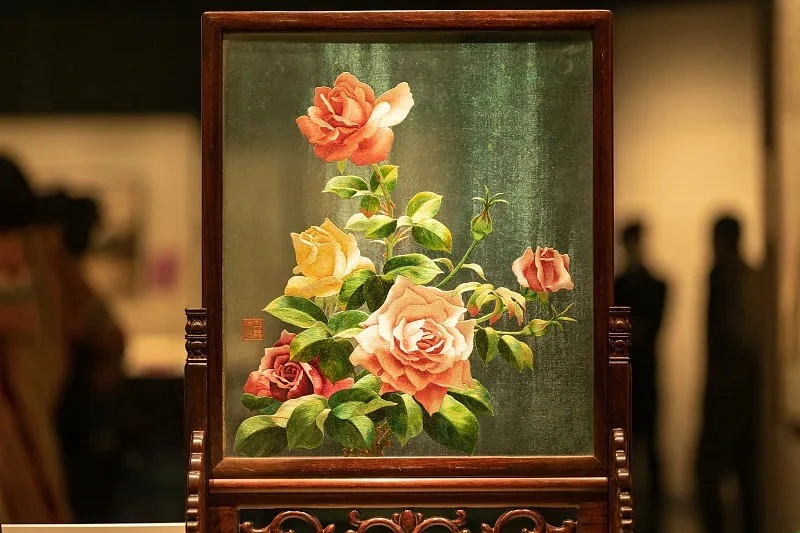
Su Embroidery is the general name of embroidery in Suzhou area. Together with Xiang Embroidery, Yue Embroidery and Shu Embroidery, it is known as the Four Great Embroideries of China. In 2006, it was listed in the first batch of national intangible cultural heritage list. It has a long history of more than 2,000 years and is known as "the pearl of Oriental art".
The craft of Su Embroidery is extremely exquisite, with more than 40 kinds of stitch methods. The silk thread can be split to 1/48 thin. The embroidered works have beautiful patterns, elegant colors and lively stitches. Especially the double-sided embroidery, both front and back are perfect, lifelike, as if it can embroider all things alive. This ancient handicraft skill condenses the delicacy and ingenuity of Jiangnan women, and still inherits the thousand-year elegance.