
 Английский
 Французский
 Испанский
 Русский
 Арабский
 Италия
I. Восемь школ традиционной китайской кухни
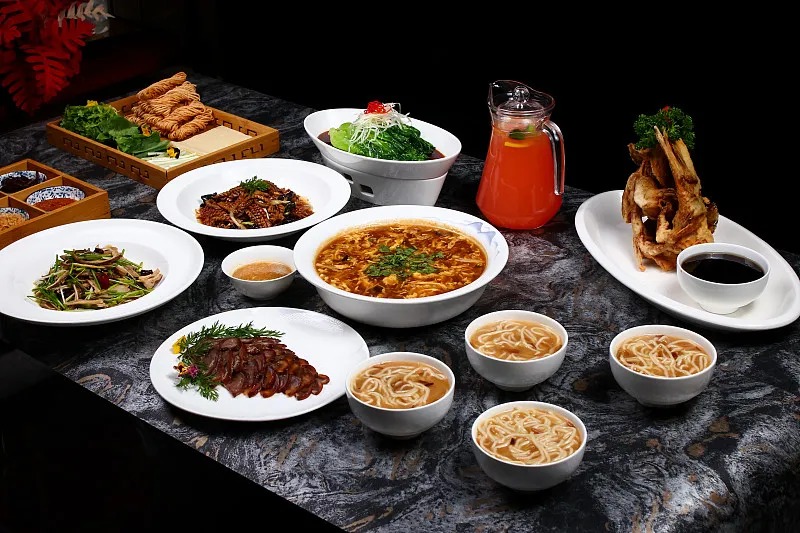
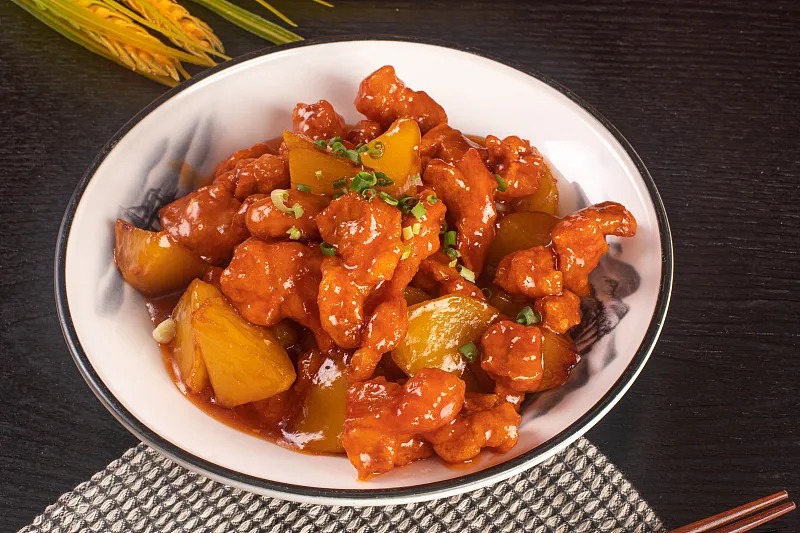
1. Кухня Шаньдуна | Выдающаяся из восьми основных кулинарных традиций Шаньдуна и создатель северокитайской кухни.
Вкусовые характеристики: соленый, свежий, насыщенный вкус; верный своему оригинальному вкусу, требующий точного приготовления
техники и навыки владения ножом; с густым маслянистым соусом умеренной остроты.
Подкатегории: кухня Цзинань, блюда из морепродуктов Цзяодун и императорская кухня кунфу.
Типичные блюда: тушеный морской огурец, толстая кишка «Девять оборотов», кисло-сладкий карп, тушеная курица Дэчжоу, свинина Муксу.
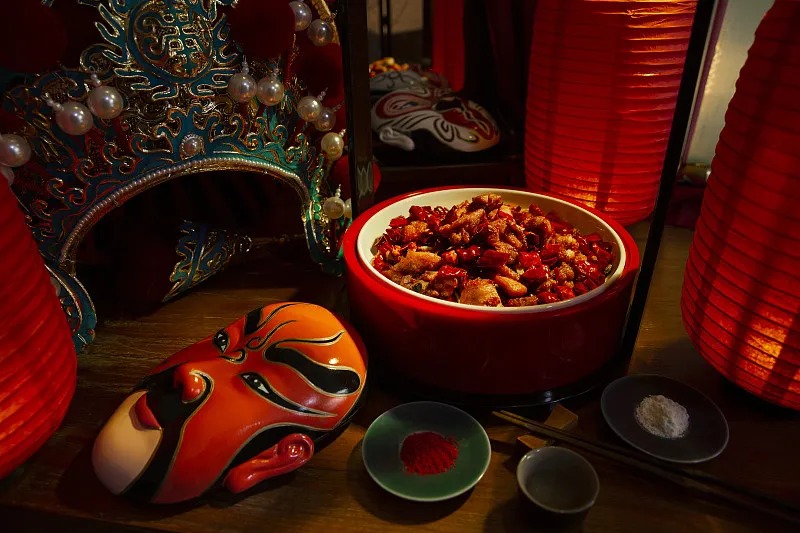
2. Сычуаньская кухня | Сычуань – кулинарная традиция номер один в Китае
Вкусовые характеристики: каждое блюдо имеет свой уникальный профиль, предлагая разнообразный диапазон вкусов — от пряных и одурманивающих до рыбных, экзотических вкусов, сочетаний перца и специй и сложных сочетаний ноток выдержанной кожуры мандарина.
Подшколы кухни: школа Ронг, школа Ю и кухня Ян Банг.
Типичные блюда: тушеная свинина с соевым соусом, курица Кунг Пао, тофу Мапо, вареная рыба, острые кусочки легких, лапша Дан Дан.
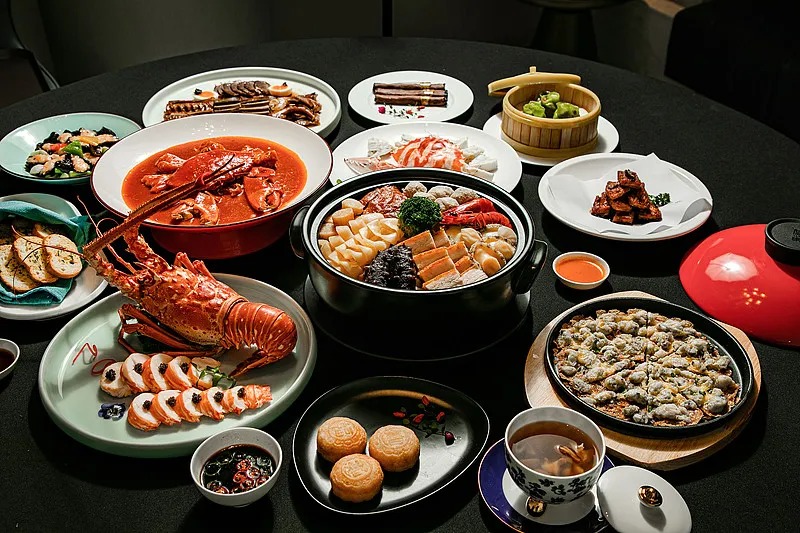
3. Кантонская кухня | Провинция Гуандун – кухня, отличающаяся простыми, аутентичными вкусами и подходящая для высококлассных банкетов.
Вкусовые характеристики: свежий, нежный, с низким содержанием масла и пряности, сохраняющий натуральный вкус ингредиентов; идеально подходит для блюд из морепродуктов, супов медленного приготовления и закусок на завтрак.
Подкатегории кухни: Кантонская кухня, Чаошаньская кухня, Кухня Хакка.
Типичные блюда: Курица-пашот, Хрустящий жареный гусь, Морской окунь на пару, Бульон медленного приготовления, Рис в горшочке, Жареный поросенок.
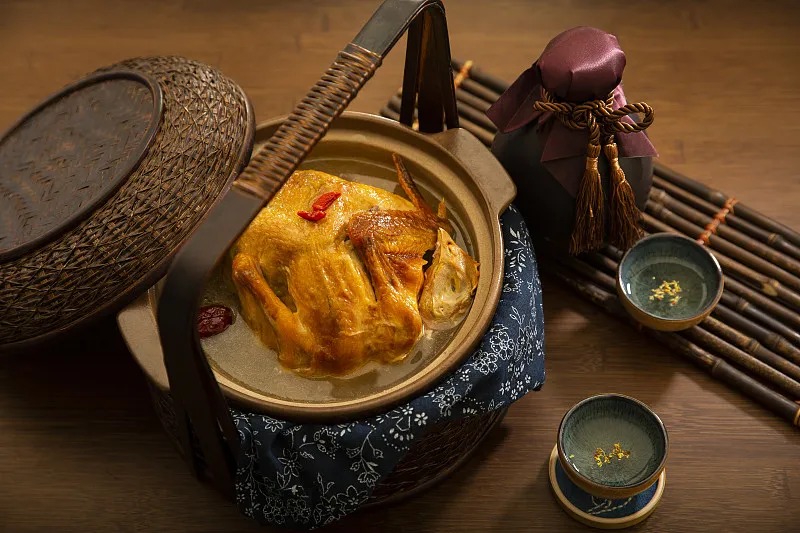
4. Кухня Цзянсу | Официальный кулинарный стиль, используемый на государственных банкетах в провинции Цзянсу.
Вкусовые характеристики: Изысканная работа ножа, свежий и сбалансированный вкус, гладкая текстура, легкая сладость и элегантная презентация.
Подшколы кухни: кухня Хуайян, кухня Цзиньлин, кухня Сучжоу-Уси и кухня Сюйчжоу-Хай.
Типичные блюда: тушеная голова льва, рыба-мандаринка с белкой, тофу вэньси, соленая утка по-нанкински, пельмени с крабовым яичным супом.
5. Чжэцзянская кухня | Элегантные вкусы Цзяннани, провинция Чжэцзян
Вкусовые характеристики: нежный и свежий, с тонким винным ароматом, устраняющим рыбные запахи; мягкий и гладкий вкус, с хорошо сбалансированным кисло-сладким профилем, в основном состоящий из пресноводной рыбы из региона Цзяннань.
Подразделенные кулинарные стили: кухня Ханчжоу, кухня Нинбо-Шаосин, кухня Вэньчжоу.
Типичные блюда: свинина Дунпо, рыба с уксусом из Западного озера, креветки Лунцзин, курица нищего и рыбный суп Сун Сао.
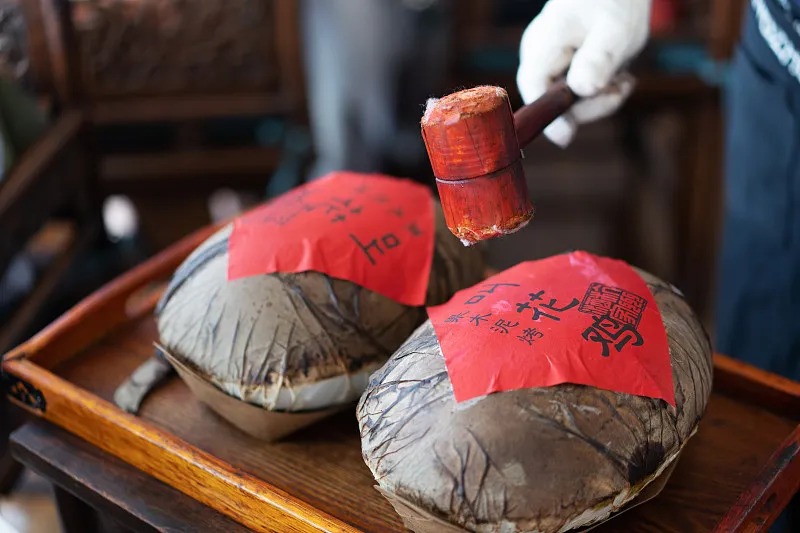
6. Фуцзяньская кухня | Провинция Фуцзянь: король супов и фирменное блюдо, известное своим характерным ферментированным ароматом
Вкусовые характеристики: В качестве приправы умело используется ферментация красной коджи; его бульон и блюда исключительны, имеют свежий, ароматный и слегка сладковатый вкус с акцентом на прибрежные морепродукты, что приводит к уникальному вкусовому профилю.
Подшколы кухни: кухня Фучжоу, кухня Миннань, кухня Минси.
Типичные блюда: Будда прыгает через стену, мясо личи, легкоферментированная улитка, лапша шача.
7. Кухня провинции Хунань | Пряные и ароматные блюда, которые идеально сочетаются с рисом или другими продуктами.
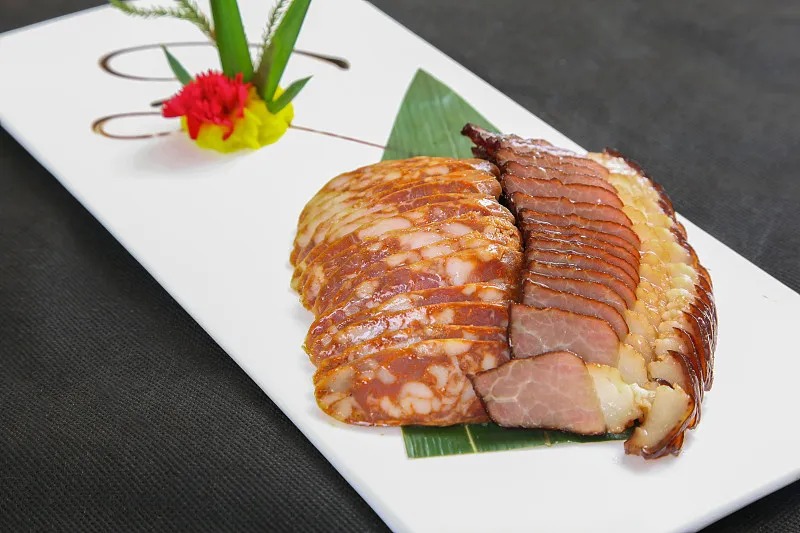
Вкусовые характеристики: Свежий, пряный и насыщенный аромат; преимущественно копченое и вяленое мясо с обильным маслом и красителем; сухой, но ароматный и аппетитный; действительно восхитительно, без остроты.
Подшколы: кухня бассейна реки Сянцзян, района озера Дунтин и горных районов западной провинции Хунань.
Типичные блюда: нарезанная голова рыбы с перцем, жареное мясо с перцем чили, сушеные деликатесы на пару, курица Дунъань.
8. Кухня Хуэй | Кулинарные традиции южного Аньхой и провинции Аньхой, включающие деликатесы из горных регионов.
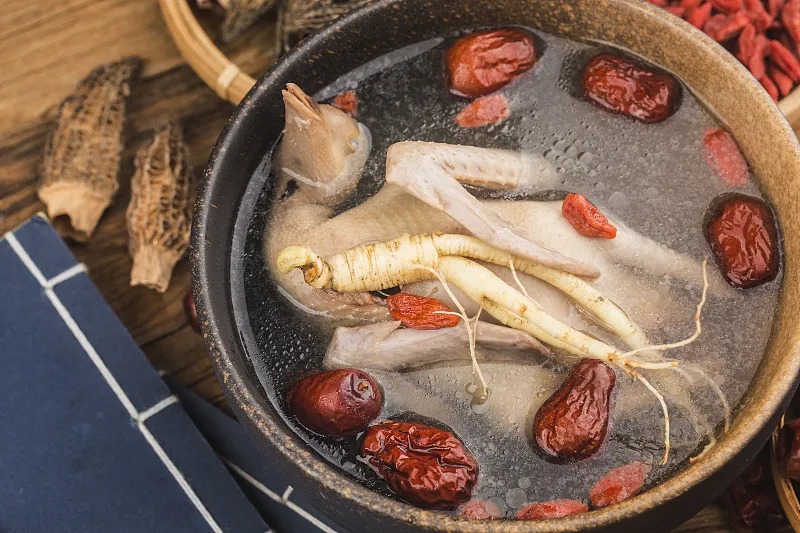
Вкусовые характеристики: насыщенный маслом и красителем, превосходен при тушении и копчении; обычно используются сушеные побеги бамбука, ветчина и ингредиенты из дичи для придания яркого и интенсивного вкуса.
Подшколы кухни: кухня Южного Аньхоя, кухня Аньхоя в дельте реки Янцзы, кухня Северного Аньхоя.
Типичные блюда: вонючая рыба-мандаринка, хуаншаньский тофу, тушеный хуаншаньский голубь, тушеная ветчина из мягкопанцирной черепахи.
9. Пекинская кухня | Кулинарный стиль, сочетающий традиции императорского дворца с повседневными уличными вкусами.
Вкусовые характеристики: Основываясь на основе шаньдунской кухни, он объединяет имперские блюда, пекинскую халяльную кухню и традиционные пекинские домашние блюда, отличающиеся насыщенным ароматом соевого соуса, сбалансированной соленостью и свежестью, с гармоничным сочетанием мяса и овощей.
Категории вкуса: Императорская кухня, повседневные домашние блюда, Пекинская халяльная кухня.
Типичные блюда: жареная утка по-пекински, баранина шуань в медном горшочке, жареная лапша с соусом по-пекински, тушеное мясо фейерверков, жареная баранина с зеленым луком, гороховый суп и рулет из ослика.
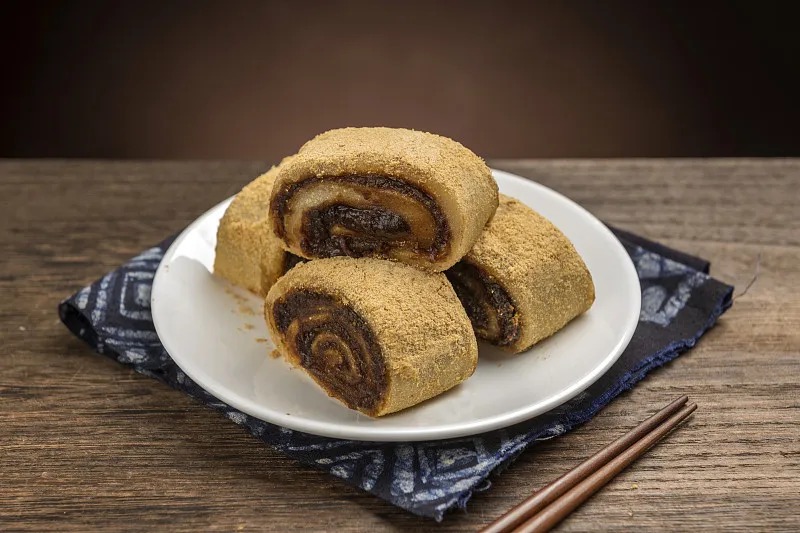
10. Кухня Шэньси (Кухня Цинь · Провинция Шэньси) | Лучшая кухня Северо-Западного Китая с лапшой
Вкусовые характеристики: выраженный кисло-пряный вкус с обильным использованием уксуса; в основном состоит из блюд на основе пшеницы с насыщенным вкусом говядины и баранины; Характеризуется соленым ароматом, типичным для Гуаньчжуна, мягким вкусом Северного Шэньси и легким ощущением онемения, характерным для Южного Шэньси.
Категории вкуса: кухня Гуаньчжун, кухня Северной Шэньси, кухня Южной Шэньси.
Типичные блюда: курица из тыквы, паомо из баранины, сэндвич с тушеной свининой с соусом, лапша, сбрызнутая маслом, лапша Бянбианг, рисовый пирог на пару, баранина в горшке с водой, горшок Цзыян на пару.
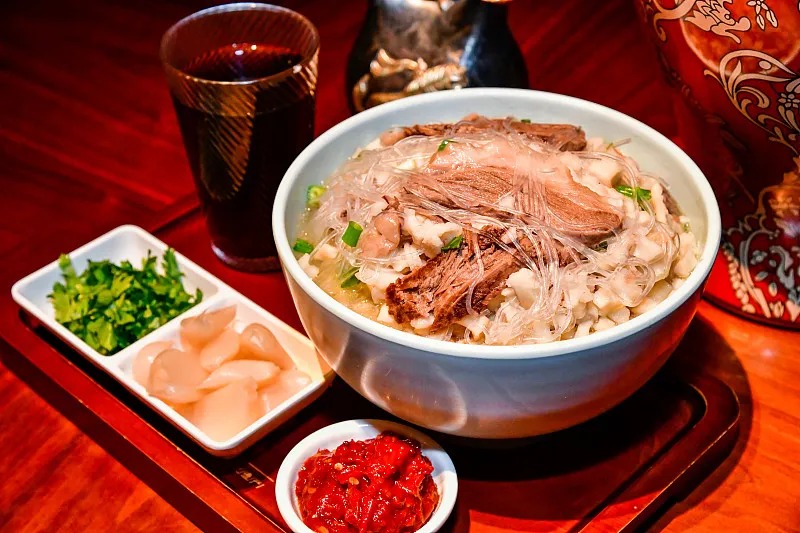
Китайская традиционная еда является самым ярким носителем китайской культуры, несущим в себе любовь китайского народа к жизни, благоговение к природе и ностальгию по семье. После тысячелетнего наследия он уже давно вошел в кровь китайского народа, став уникальным культурным символом нации. С юга на север, с востока на запад каждое блюдо имеет свой неповторимый вкус и трогательную историю. Это не только удовольствие для вкусовых рецепторов, но и эмоциональная поддержка китайцев, позволяющая китайцам найти свои собственные культурные корни в насыщенной жизни.
II.Региональные вкусы: разнообразные вкусы восьми основных кухонь
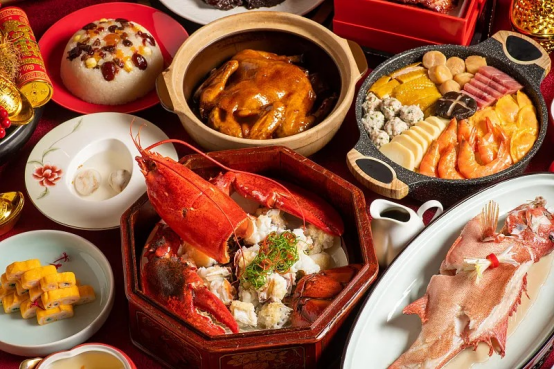
Китай имеет огромную территорию, а разные географические условия и климат породили совершенно разные диетические вкусы. Наиболее представительными из них являются «Восемь основных кухонь». Сычуаньская кухня острая и ароматная, кантонская кухня свежая и оригинальная, Шаньдунская кухня сочная и величественная, Цзянсуская кухня элегантная и нежная, Чжэцзянская кухня свежая и нежная, Аньхойская кухня насыщена маслом и красками, Фуцзяньская кухня кисло-сладкая, а Хунаньская кухня острая и крепкая. Каждая кухня отражает местные обычаи и традиции, благодаря чему обеденный стол китайцев полон разнообразных вкусов.
III.Чай и вино: культура питья китайского народа.
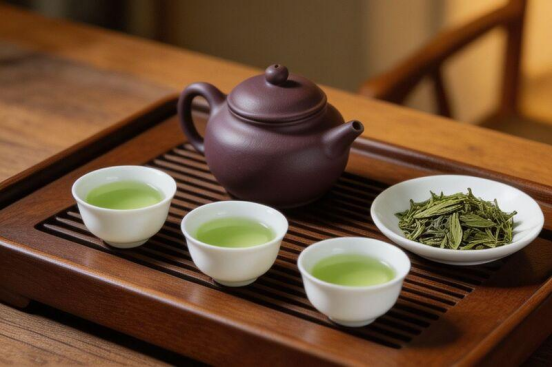
Помимо еды, чай и вино также являются неотъемлемой частью кулинарной культуры китайского народа. Для китайцев чаепитие – это не просто утоление жажды, но и искусство жизни. Заваривание чая Гунфу и дегустация чайных листьев — все это отражает жизненную философию китайского народа: тихий и обширный, мирный и спокойный. Вино, с другой стороны, является связующим звеном социального взаимодействия китайского народа. Будь то встреча друзей или праздник, чашка вина может сблизить людей, передавая энтузиазм и искренность китайского народа.
IV. Фестивальные кулинарные обычаи: наследование вкуса на фестивалях
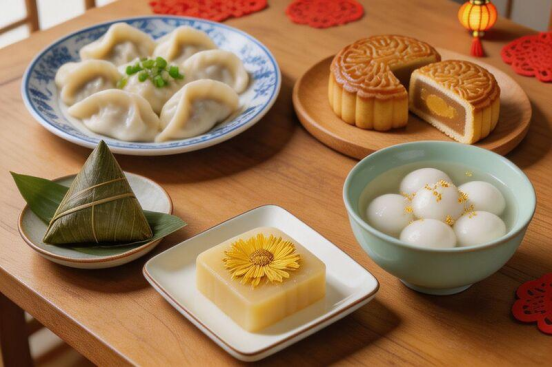
Праздники китайского народа всегда тесно связаны с едой. Пельмени во время праздника Весны символизируют привлечение богатства и сокровищ; лунные пряники во время Праздника середины осени символизируют воссоединение и счастье; Цзунцзы во время Фестиваля лодок-драконов несут память о Цюй Юане; Танюань во время Фестиваля фонарей символизирует воссоединение. На каждом фестивале есть своя эксклюзивная еда. Эти вкусы являются не только наслаждением языка, но и наследием культуры, позволяющим китайцам почувствовать атмосферу фестиваля и культурную температуру во время дегустации еды.
V.Street Food: тепло закусок на рынке
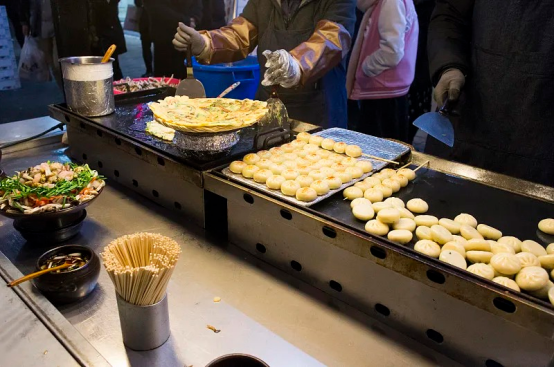
На улицах китайских городов можно найти бесчисленное множество вкусных закусок. Булочки на пару, жареные палочки из теста, вонтон, цзяньбин гоцзы – эти, казалось бы, обычные продукты несут в себе самое настоящее мирское тепло китайского народа. Прилавок для завтрака утром, улица с закусками вечером, дымящаяся еда, занятый владелец ларька, очередь клиентов — эти обычные сцены составляют самую теплую повседневную жизнь китайцев. Эти уличные вкусы — самые знакомые китайцам вкусы родного города.
VI.Медицина и гомология пищевых продуктов: древняя мудрость лечебной пищи
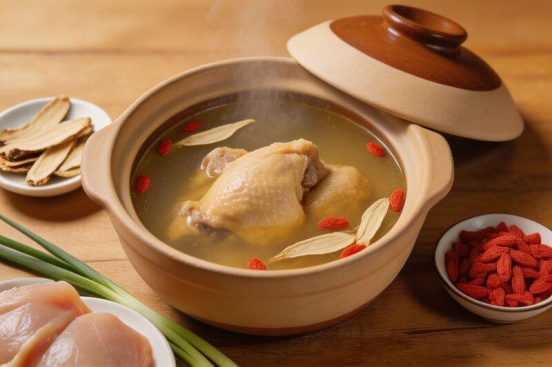
Диета китайцев направлена не только на то, чтобы наполнить желудок, но и на поддержание здоровья. Концепция «медицинской и пищевой гомологии» передавалась на протяжении тысячелетий. Китайцы верят, что еда может не только обеспечивать питание, но также регулировать организм и предотвращать болезни. Куриный суп из Анжелики и лайчи, пирог Пория, каша из семян коикса — эти лечебные продукты прекрасно сочетают в себе ингредиенты и лекарственные вещества, позволяя людям регулировать свое тело во время дегустации пищи. Это древняя мудрость китайского народа по сохранению здоровья.
VII. Манеры за столом: культура подачи посуды и питания
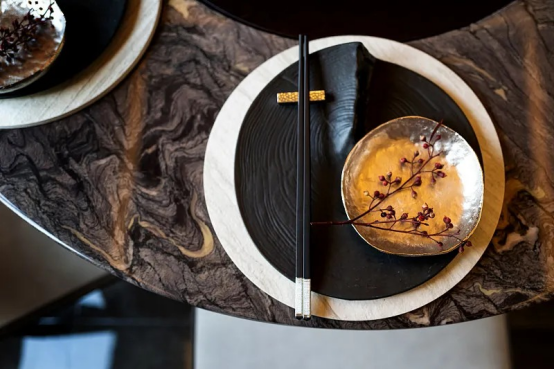
Обеденный стол китайцев также имеет уникальный этикет и культуру. Палочки для еды – основной столовый прибор китайцев. Это не просто инструменты для еды, но и символ китайской культуры, содержащий доктрину китайского народа о среднем. А манеры за столом, старшие первыми двигают палочками для еды, подают еду гостям — все эти детали отражают традиционные добродетели китайского народа, заключающиеся в уважении к пожилым, любви к молодым и гостеприимстве. Сделать еду не просто наполнением желудка, но и культурным обменом.
VIII.Вековое наследие: стойкость вкуса проверенных временем брендов
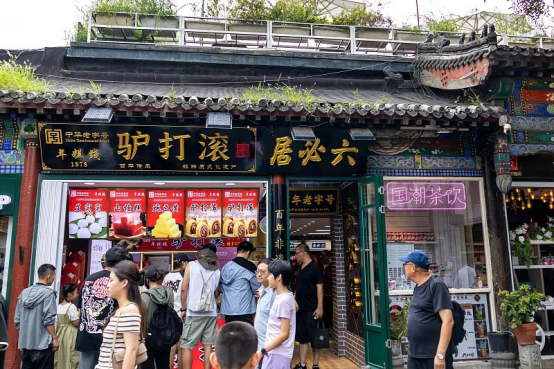
В Китае есть множество проверенных веками продуктовых магазинов. После многих лет изменений они по-прежнему придерживаются традиционного вкуса. Утка по-пекински от Цюаньжуде, паровые булочки от Губули, димсам от Живэйгуаня — эти проверенные временем бренды являются не только представителями еды, но и наследием культуры. Они охраняют вкус китайского народа на протяжении ста лет, позволяя этим традиционным блюдам передаваться из поколения в поколение и быть известны большему количеству людей.
IX. Ужин воссоединения: тепло обеденного стола китайского народа
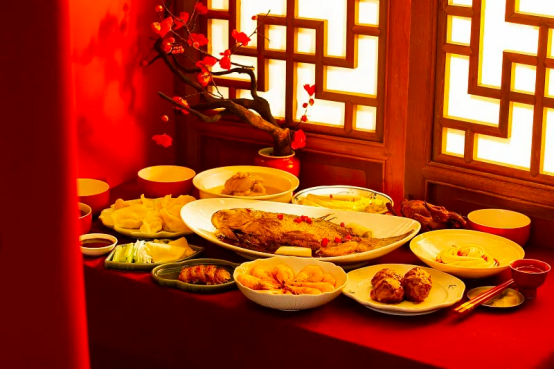
Для китайцев самой важной едой всегда является семейный ужин дома. Вся семья сидит за столом, делясь едой и высказывая свои мысли. Это самое теплое счастье китайского народа. Независимо от того, как далеко они заходят, вкус дома всегда больше всего волнует китайцев. Этот круглый обеденный стол несет в себе семейную привязанность китайского народа, несет в себе культуру китайского народа. Это самая трогательная часть китайской кулинарной культуры.
Независимо от того, как меняются времена, эти продукты по-прежнему являются корнем культуры китайского народа и поддержкой его эмоций. Они несут в себе историю, традиции и эмоции китайского народа, позволяя им по-прежнему находить свою культурную принадлежность в оживленной современной жизни. В этом очарование традиционной китайской кухни, вечное наследие тысячелетней культуры.