Inglés
 Francés
 Español
 Ruso
Ruso Árabe
Árabe Italia
1. Área escénica de la cascada transnacional de Detian
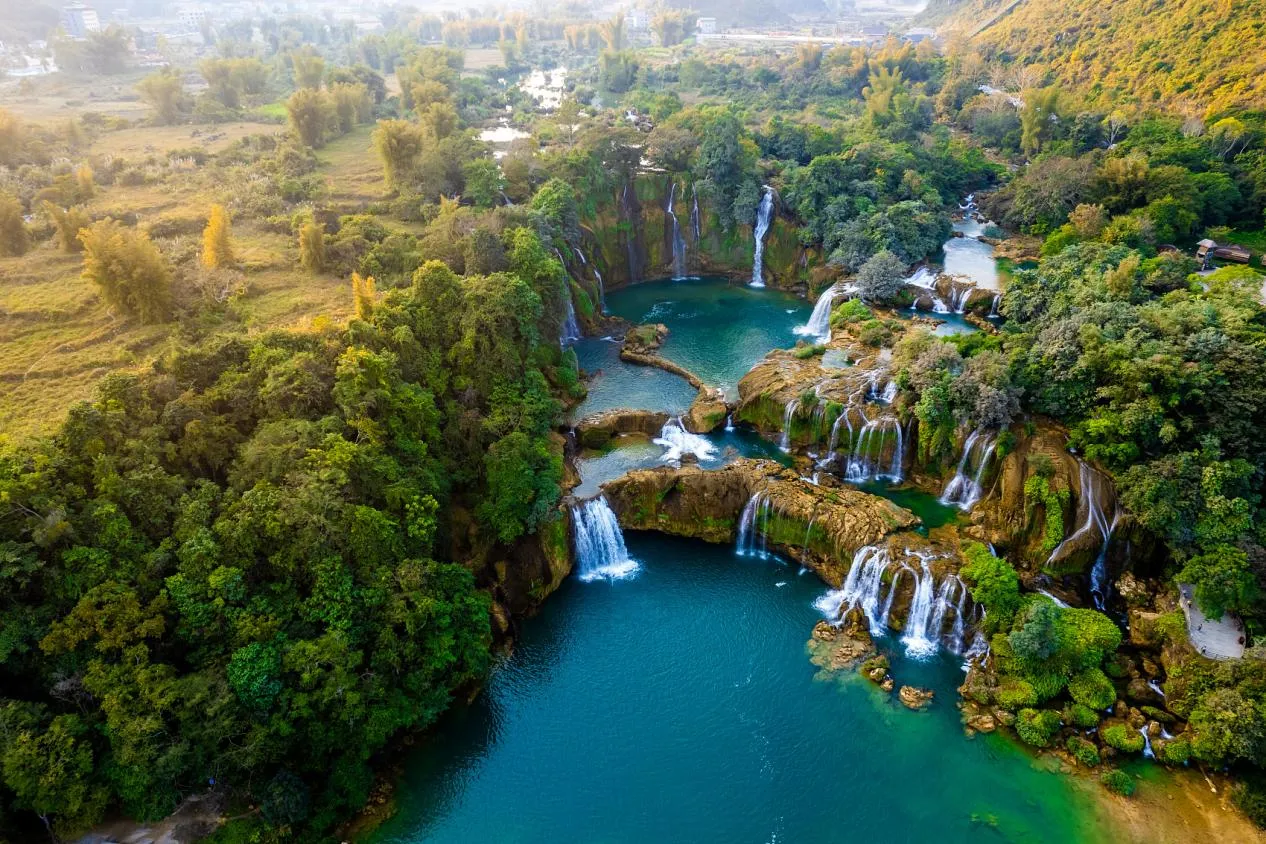
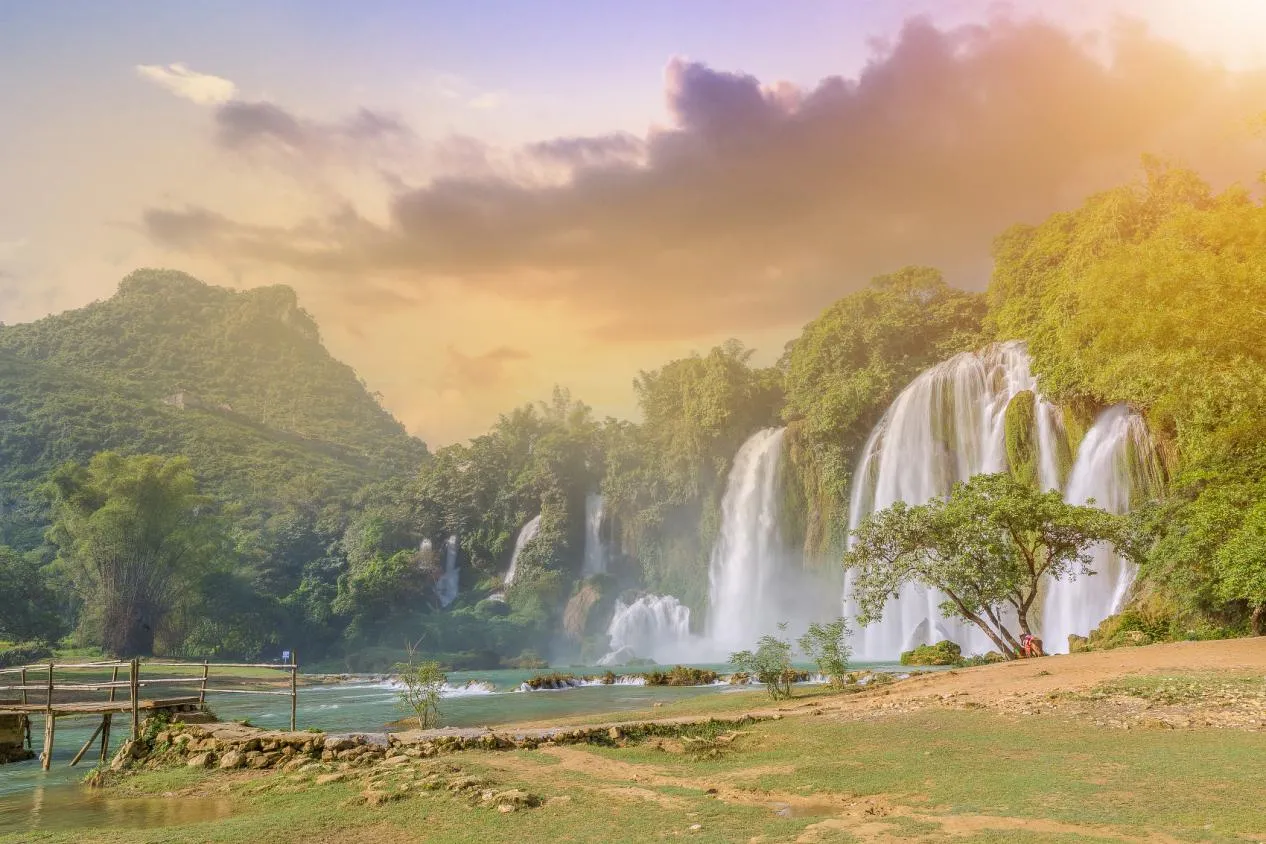
La cascada transnacional de Detian está ubicada en la frontera entre China y Vietnam, la cuarta cascada transnacional más grande del mundo y un lugar escénico de nivel 5A. La cascada tiene un desnivel de más de 70 metros y una anchura de más de 200 metros. El agua cae desde el acantilado formando un magnífico paisaje con sonidos atronadores. Tiene una larga historia y ha sido una frontera natural entre China y Vietnam desde la antigüedad. Hay muchas leyendas e historias sobre la cascada entre la población local del grupo étnico Zhuang a ambos lados de la frontera. Los visitantes pueden tomar un bote para acercarse a la cascada, sentir el impulso del agua que vuela y también visitar las aldeas fronterizas cercanas para experimentar las costumbres populares del pueblo Zhuang en China y Vietnam.
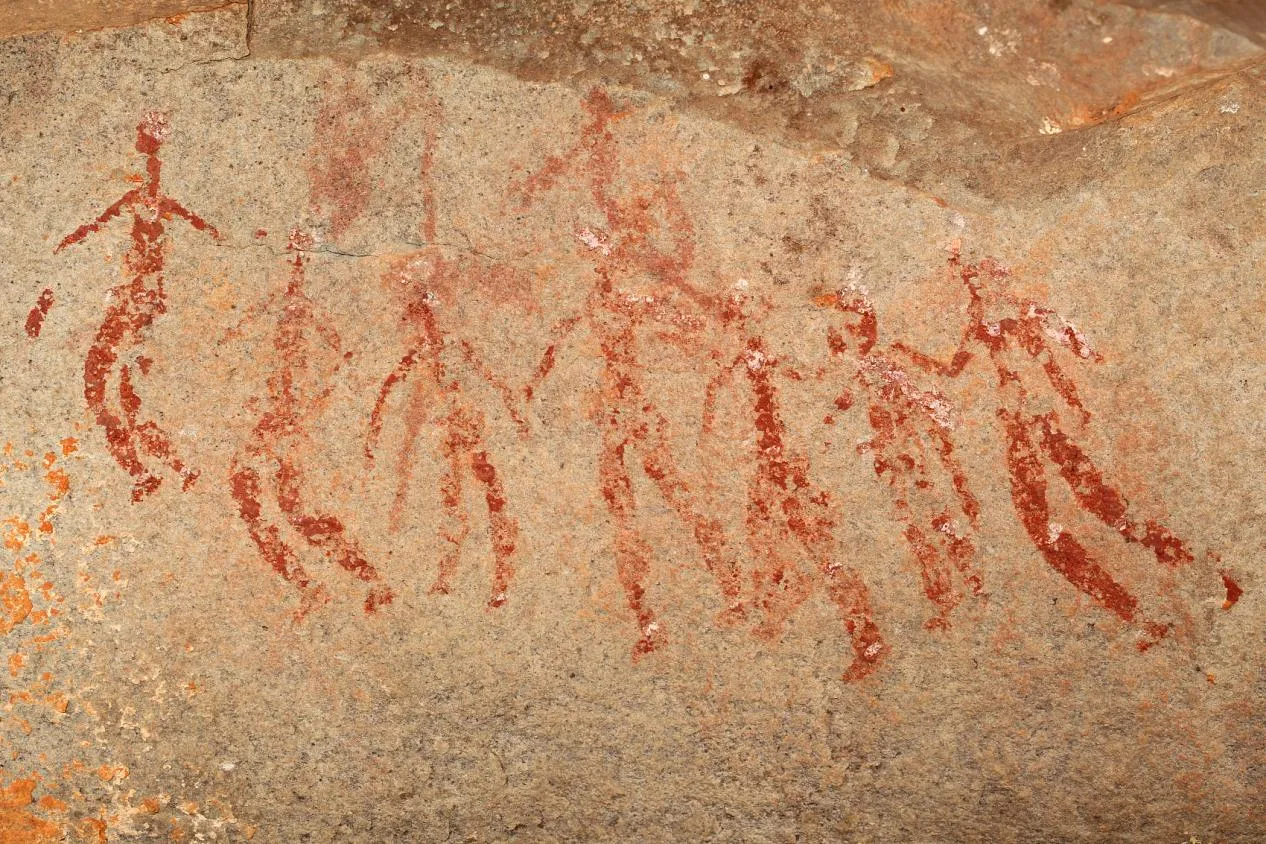
2. Paisaje cultural de arte rupestre de Zuojiang Huashan
Como patrimonio cultural mundial, el arte rupestre de Zuojiang Huashan es un grupo de antiguas pinturas de acantilados creadas por el pueblo Luoyue hace más de 2000 años. El principal arte rupestre de la montaña Huashan cubre un área de unos 8.000 metros cuadrados, con más de 1.900 figuras, animales y patrones de utensilios. Las pinturas están pintadas con pigmentos minerales rojos y los patrones son atrevidos y vívidos, y reflejan las escenas de producción y vida, las creencias religiosas y las actividades militares del antiguo pueblo Luoyue. Es de gran importancia para el estudio de la historia y la cultura de las minorías étnicas del sur de China e incluso del sudeste asiático.
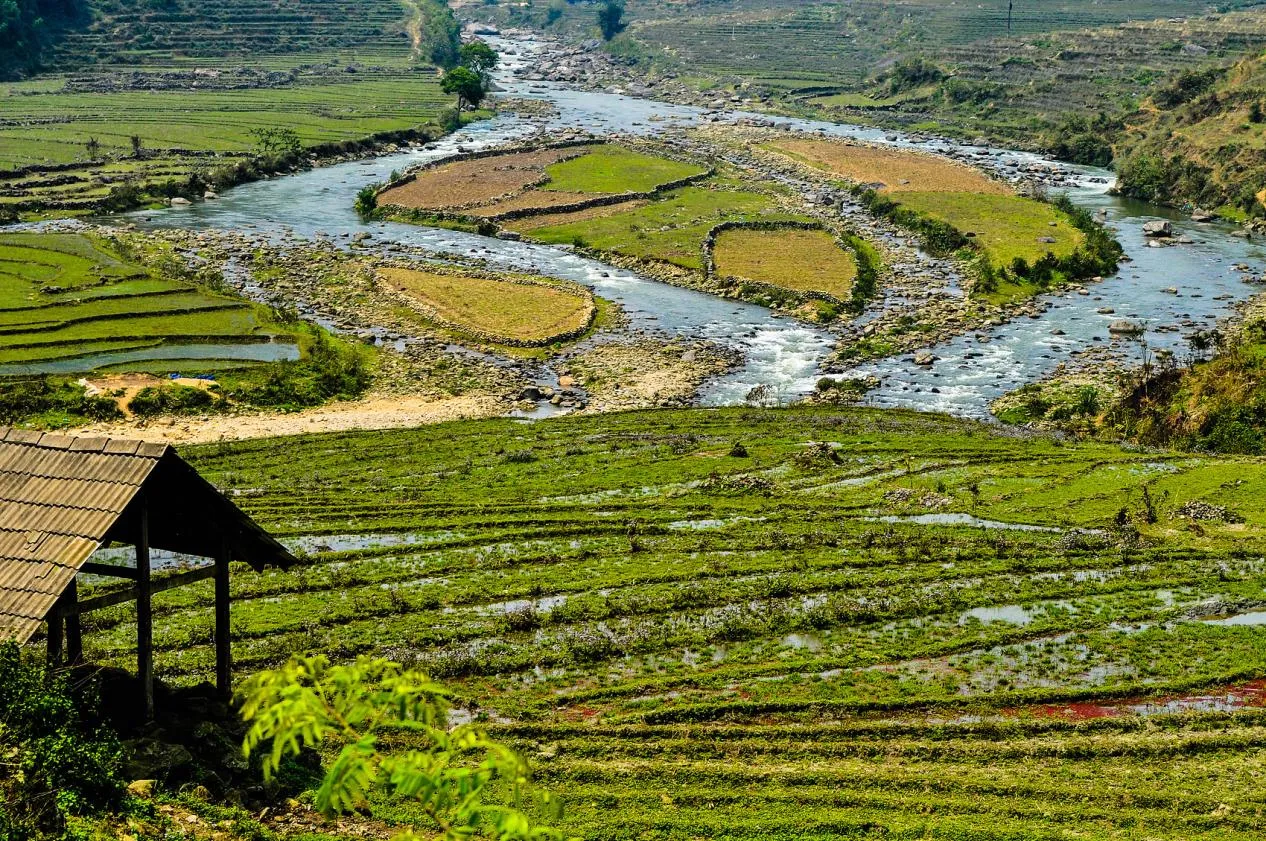
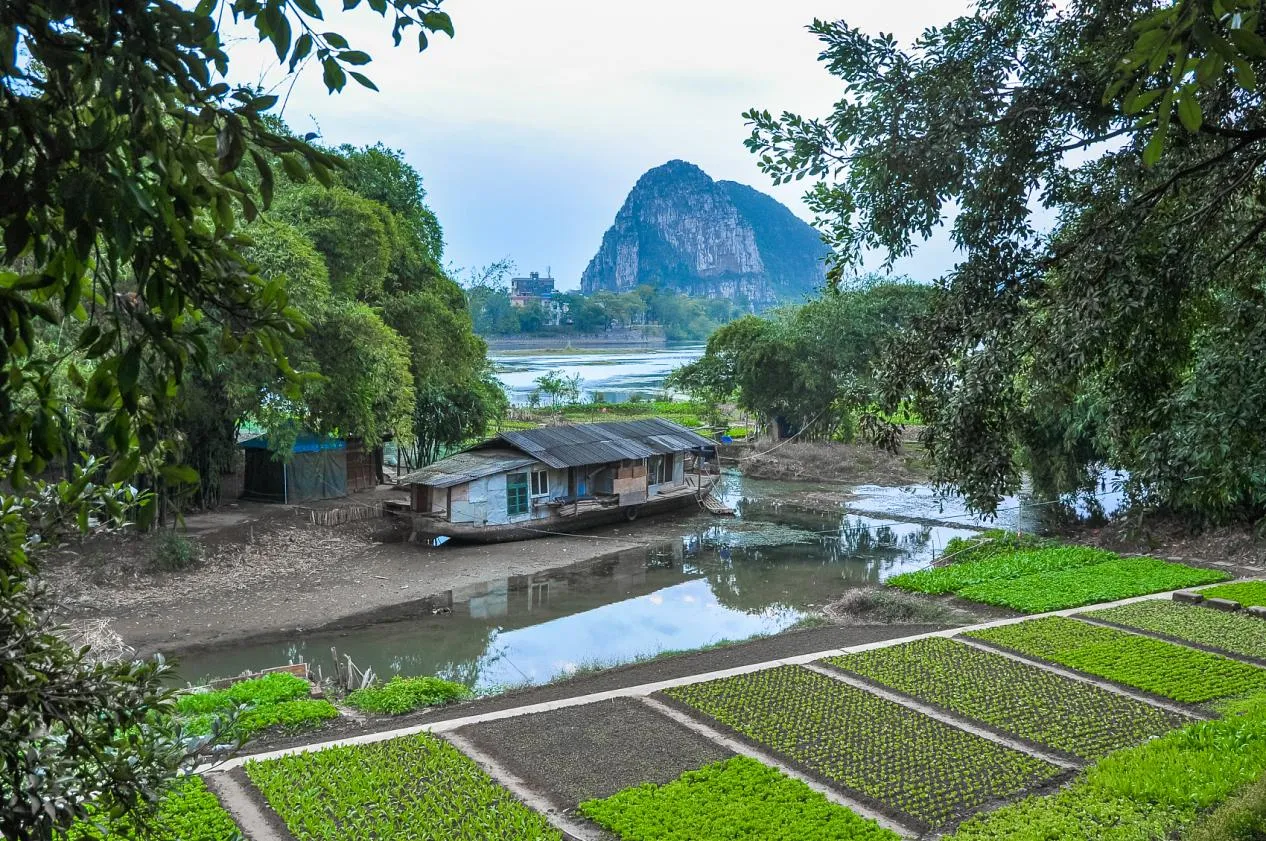
3. Área escénica pastoral de Mingshi
La Pastoral Mingshi es una hermosa zona de paisaje pastoral con montañas kársticas como fondo y ríos y campos como cuerpo principal. Ha sido elogiado como "un país de hadas en la tierra" desde la antigüedad. La zona escénica tiene ríos claros, campos verdes y picos extraños. El pueblo local Zhuang vive en la zona pastoral y sus edificios sobre pilotes se encuentran dispersos entre las montañas y los campos. Tomando una balsa de bambú para navegar a lo largo del río, los visitantes pueden disfrutar del paisaje idílico, observar a los agricultores trabajando en los campos y también escuchar a los Zhuang locales cantando canciones populares, experimentando la pacífica y hermosa vida rural en Guangxi.
4. Pase de la Amistad
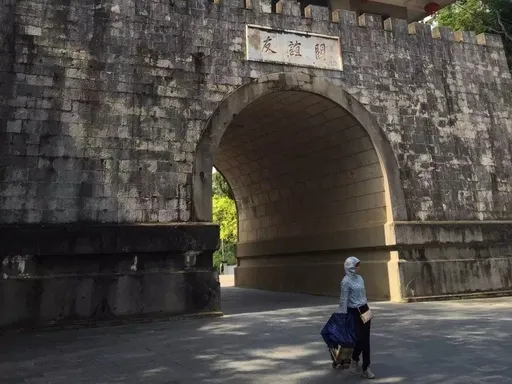
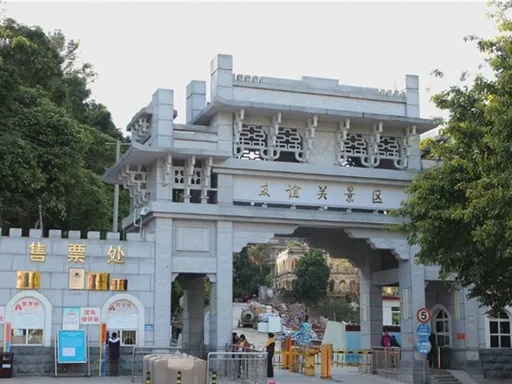
El Paso de la Amistad, situado en la frontera entre China y Vietnam, es un paso importante en la antigua Ruta de la Seda del Sur, con una historia de más de 2.000 años. Originalmente se llamaba Paso Zhennan y pasó a llamarse Paso de la Amistad en 1965, simbolizando la amistad entre China y Vietnam. El edificio del paso es magnífico, con murallas y puertas de piedra. Ha sido un lugar militar estratégico en la historia. Ahora es un puerto importante para el comercio fronterizo y los intercambios turísticos entre China y Vietnam. Los visitantes pueden visitar los edificios del paso, contemplar el paisaje fronterizo y también comprender la historia de las relaciones y el comercio fronterizo entre China y Vietnam.
5. Torre inclinada de Guilong
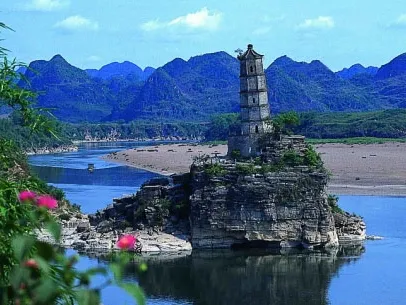
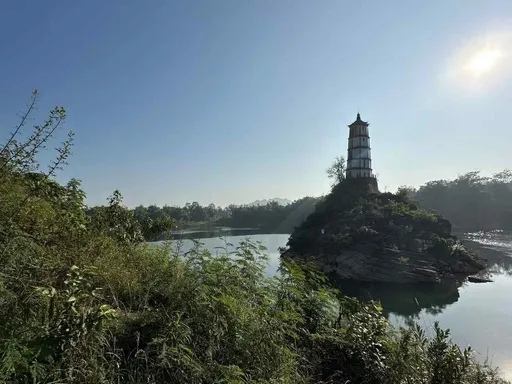
La Torre Inclinada de Guilong, ubicada en Chongzuo, es una de las ocho torres inclinadas más importantes del mundo. Fue construido durante la dinastía Ming y tiene una historia de más de 400 años. La torre es una torre de ladrillo octogonal de siete pisos, con una forma única. Debido al asentamiento desigual de los cimientos, la torre se inclina hacia un lado, pero se ha mantenido firme durante cientos de años, lo cual es un milagro en la historia de la arquitectura antigua china. Hay muchas inscripciones y tallas en la torre que registran la historia de la construcción y reparación de la torre. Los visitantes pueden subir a la torre para disfrutar del paisaje circundante y maravillarse con la sabiduría de los antiguos artesanos.
6. Centro de rescate de animales salvajes raros de Chongzuo
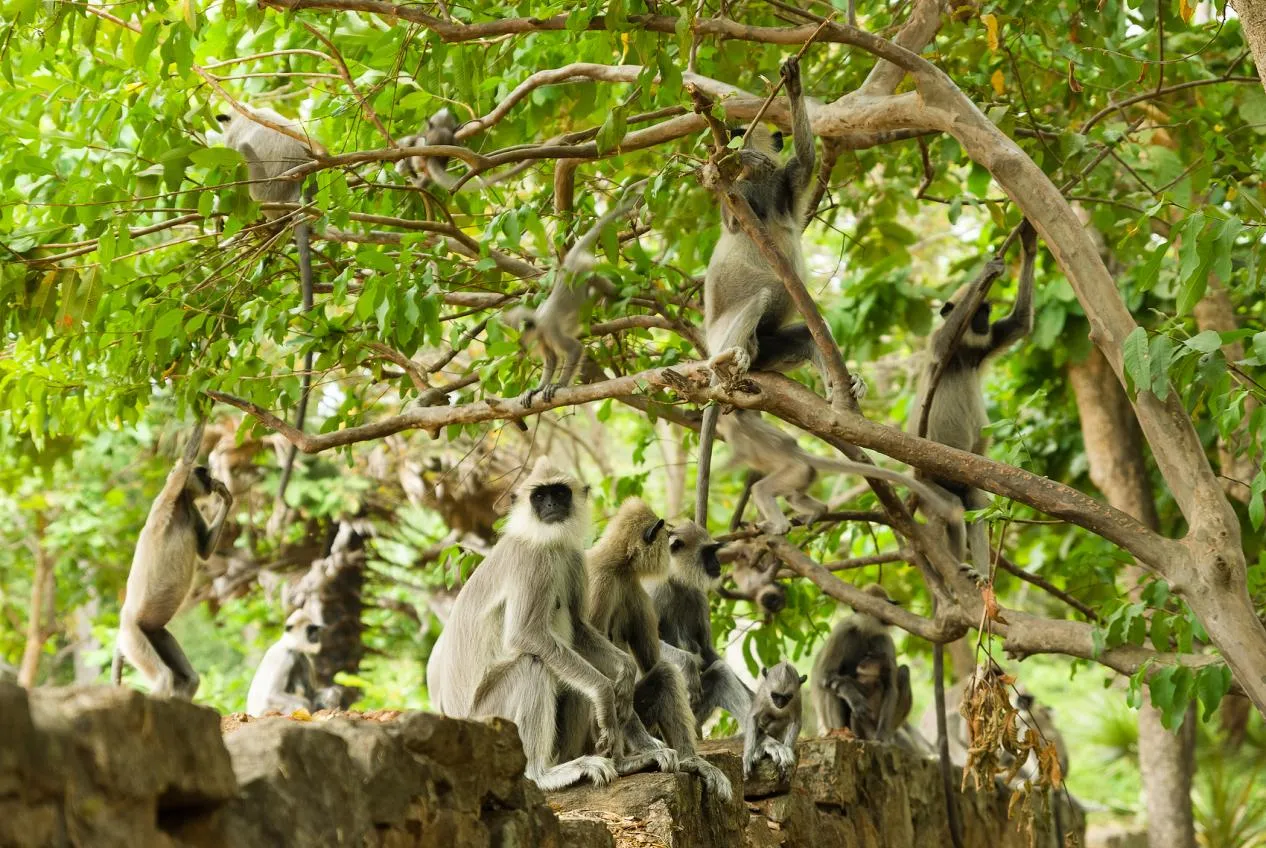
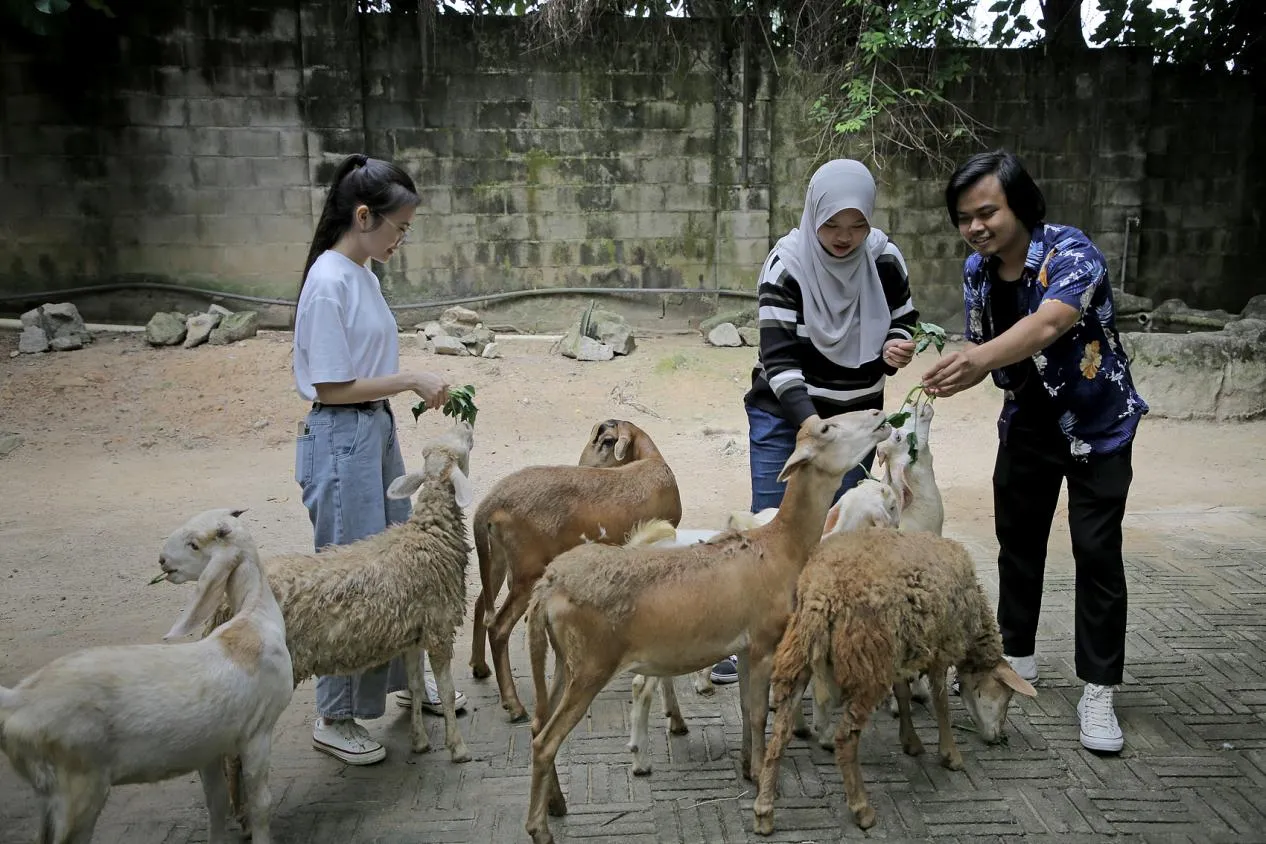
Centrándose en la protección de los elefantes asiáticos y otros animales salvajes raros, el centro es una base importante para el rescate y la protección de animales salvajes en el sur de China. Abarca una gran superficie, con un entorno ecológico adecuado. Aquí viven muchos animales salvajes raros rescatados, como elefantes asiáticos, gibones y pavos reales. Los visitantes pueden observar de cerca a los animales salvajes, aprender sobre sus hábitos de vida y también comprender la importancia de la protección de los animales salvajes. El centro también lleva a cabo actividades de divulgación científica, mejorando la conciencia de la gente sobre la protección ecológica.
7. Parque Conmemorativo del Levantamiento de Longzhou
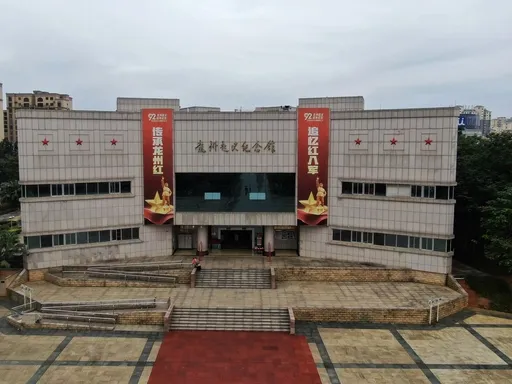
El Parque Conmemorativo del Levantamiento de Longzhou es una base de educación patriótica, construida para conmemorar el Levantamiento de Longzhou liderado por el Partido Comunista de China en 1930. El parque incluye el Salón Conmemorativo del Levantamiento de Longzhou, el antiguo emplazamiento del Cuartel General del Octavo Ejército Rojo y otros lugares pintorescos. El salón conmemorativo exhibe una gran cantidad de reliquias históricas, fotografías y documentos, que restauran la escena histórica del Levantamiento de Longzhou. Los visitantes pueden aprender sobre la ardua historia revolucionaria de los comunistas chinos que dirigieron al pueblo de las zonas fronterizas para llevar a cabo la lucha revolucionaria y sentir el noble espíritu revolucionario de los mártires revolucionarios. El paisaje natural y el encanto urbano moderno juegan un papel importante en la estrategia de ascenso central de China.