
 English
 French
 Spanish
 Russian
 Arabic
 Italy
Italy
1. Detailed daily study tour itinerary
Day 1: Gathering in Zhengzhou | First Encounter with the Yellow River – The Mother River of Chinese Civilization 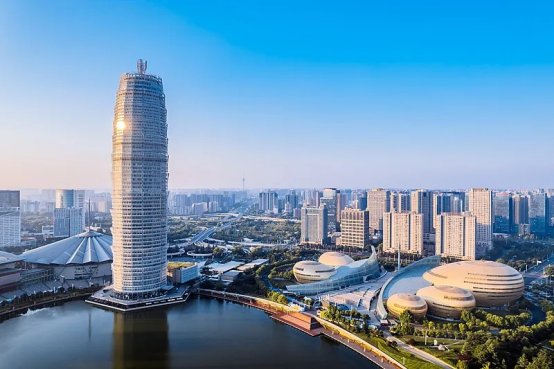
Research Theme: Understanding the Geomorphology of the Yellow River and the Geographical Foundations of Chinese Civilization's Birth
scheduling :
1. Round-the-clock airport/station pickup: Unified reception at Zhengzhou Xinzheng Airport and Zhengzhou East Railway Station, including check-in procedures, distribution of study guides, task cards, group identification tags, and craft material kits.
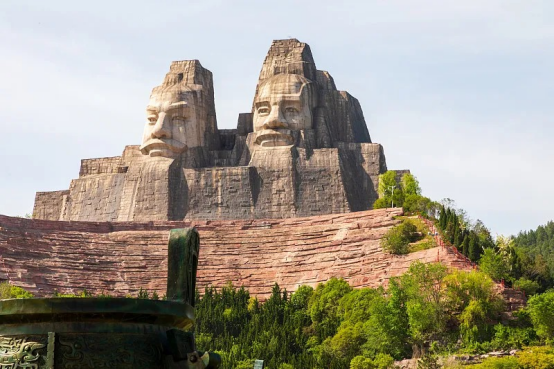
2. Afternoon | On-site Class at the Yellow River Culture Park
Professional bilingual geography instructors conducted live lectures, guiding students to observe the unique sedimentary landforms of the Yellow River and explaining why it is regarded as the "cradle of Chinese civilization." The session compared ancient stories about Yu the Great's flood control efforts with modern flood prevention and management projects along the river. Students worked collaboratively to create a miniature sand model depicting the Yellow River's geomorphology and completed detailed observation notes for their study trip.
3. Evening Session | Ice-Breaking Activity and Launch Meeting for the Research Project
Divide the team into groups and establish specific research topics for each group; instructors will outline key concepts related to Yin Xu and the Terracotta Army, distribute pre-class preparation materials, and develop a comprehensive task framework for the entire research journey.
Day 2: Anyang Yin Ruins | The Origin of Chinese Characters and Explorations into the Civilization of the Shang Dynasty
Research Theme: Oracle Bone Script – China's earliest mature writing system
scheduling :
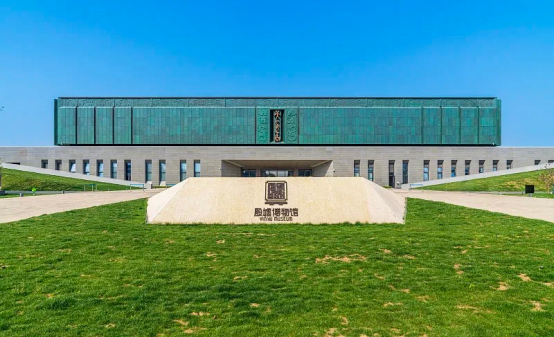
1. Full-Day | In-depth Study Tour at Yin Xu Museum (with professional English commentary)
Visit the oracle bone cave site to learn about the history of oracle bone inscriptions and decipher basic pictographic characters; explore the Fu Hao Tomb exhibition area to study Shang Dynasty bronze smelting techniques, burial rituals, and royal institutions; examine Shang Dynasty chariot pits to compare ancient Central Plains transportation systems with military civilization.
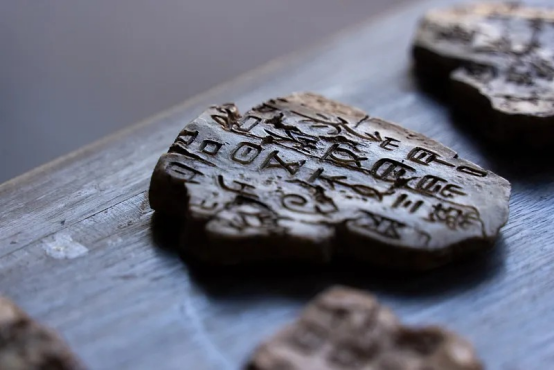
2. Special Handicraft Class | Oracle Bone Printing Experience
Using replica turtle shells and traditional printing tools, create your own oracle bone script rubbings – the finished pieces can be kept as educational keepsakes.
3. Evening Session | History and Literature Review Class
The study systematically outlines the historical development of the Shang Dynasty and assigns group tasks: comparing the origins and evolution of early writing systems between ancient China and the West.
Day 3: Luoyang | Stone Carving Art and the History of Integration between Chinese and Foreign Buddhist Cultures
Research Theme: The Evolution of China Grotto Art from the Northern Wei to the Tang Dynasty Schedule:
1. Morning | Field Study Tour at the Longmen Grottoes
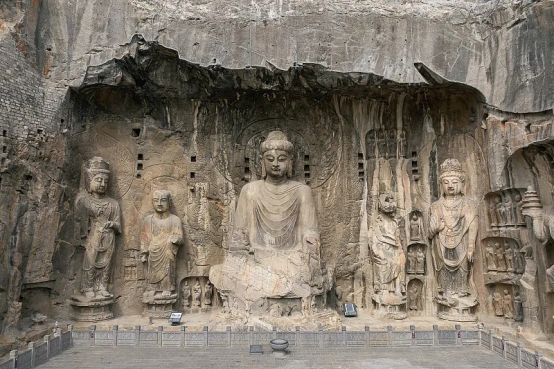
A comprehensive guided tour along the Yi River highlights the stylistic contrast between the Northern Wei Dynasty's "subtle and refined" and the Tang Dynasty's "vibrant and majestic" sculptural traditions; it also explores the historical context of the Vairocana Buddha and the Tang imperial court. Students will complete on-site sketching assignments to document ancient carving techniques and aesthetic characteristics.
2. Afternoon | Educational Tour at Baima Temple
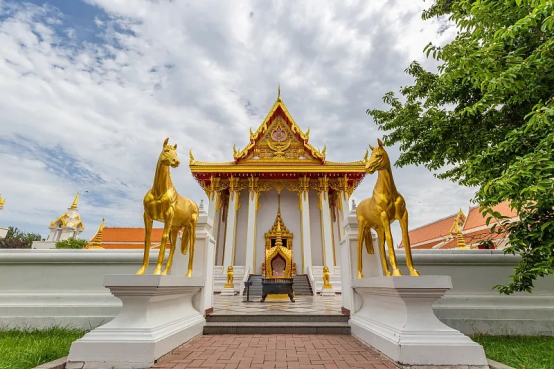
Visit China's first officially sponsored Buddhist temple to understand the complete journey of Buddhism's transmission from ancient India to Central China and the integration of Chinese and foreign cultures. Explore the International Buddhist Hall Area to experience diverse architectural traditions.
3. Handcraft Experience | Miniature Mud Sculpture Replicas of Grottoes
Recreate cave relief sculptures using clay to experience firsthand the ancient craftsmen's carving process, and appreciate both the challenges and artistic significance of constructing large-scale grottoes.
Day 4: Luoyang → Xi'an | The beginning of the magnificent Tang Dynasty, this ancient capital with a history spanning thousands of years.
Research Theme: The Defense Systems of Ancient Capital Cities and the Culture of Tang Dynasty Scholars
scheduling :
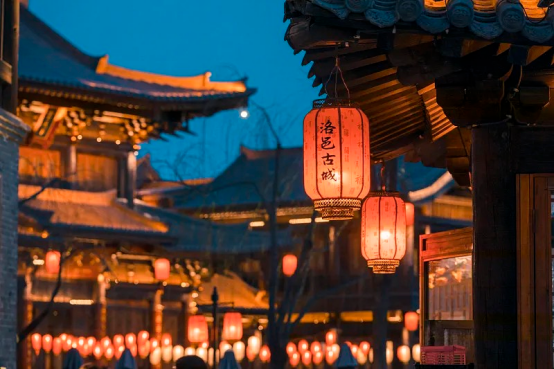
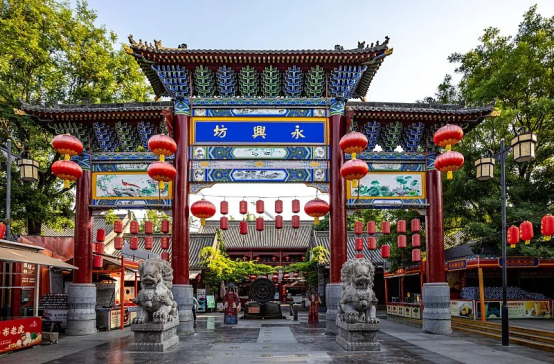
1. Morning: Independent study tour in Luoyang Ancient City, completing the urban history survey questionnaire and reviewing key learning points from the previous three days.
2. Noon: Take the high-speed train to Xi'an and proceed to the Guanzhong Civilization Study Tour section.
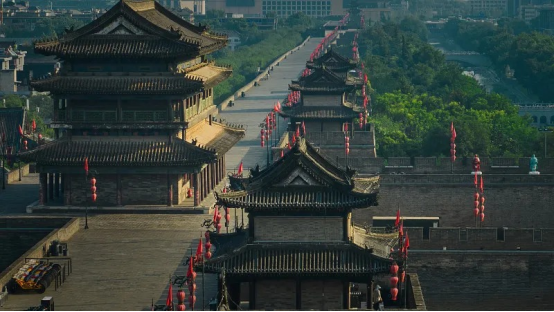
3. Afternoon Session | Field Surveying Class on the Ming Dynasty City Wall of Xi'an
Students worked in groups to conduct practical measurements of the city wall height, brick specifications, and crenellation structures; instructors explained the ancient defensive systems of Chinese capitals and urban planning concepts.
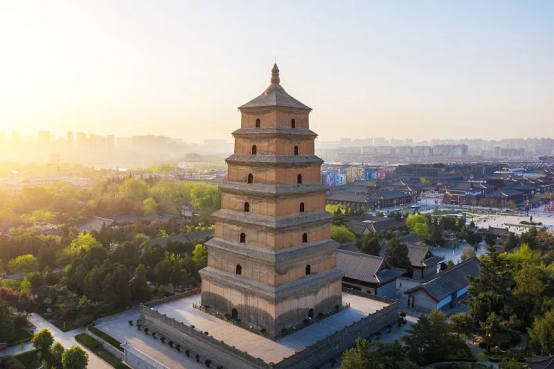
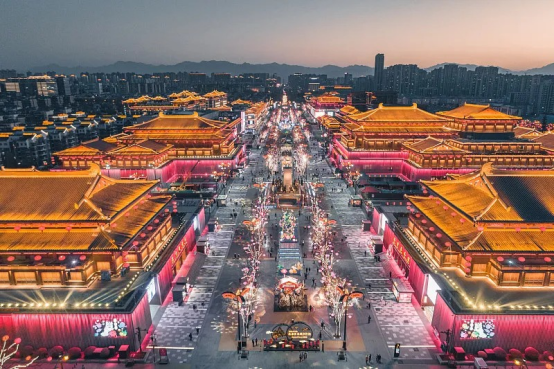
4. Evening | Wild Goose Pagoda + Tang Dynasty Night City
Understand the historical account of Xuanzang's journey westward to obtain Buddhist scriptures, translate them, and propagate Buddhism; study the Tang Dynasty's imperial examination system, poetry culture, and daily life, and immerse yourself in the urban landscape of the prosperous Tang era.
Day 5: The Terracotta Army of the First Emperor of Qin | A Study Tour on the Military Civilization of the Great Qin Empire
Research Theme: The Eighth Wonder of the World – The Unification and Military System of the Qin Dynasty Itinerary:
1. All-Day | In-depth Educational Tour at the Mausoleum of the First Qin Emperor Museum
The English instructor provides comprehensive explanations throughout: the military formation layout of the No.1 trench, the classification of Qin army units, and ancient military organization and combat systems; the Bronze War Chariots and Horses exhibition offers an in-depth analysis of Qin Dynasty bronze metallurgy, mortise-and-tenon joinery techniques, and chariot manufacturing technologies, while comparing them with the development levels of Western handicrafts during the same period.
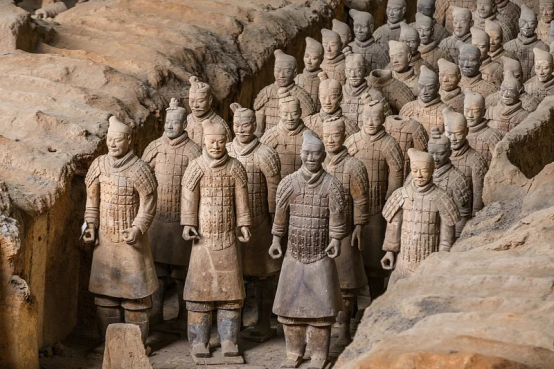
2. Unique Handmade Projects | DIY Creation and Coloring of Mini Clay Figurines
By personally kneading, shaping, and coloring to recreate the Terracotta Warriors, one can gain a tangible understanding of the standardized and large-scale craftsmanship characteristics of Qin Dynasty sculpture.
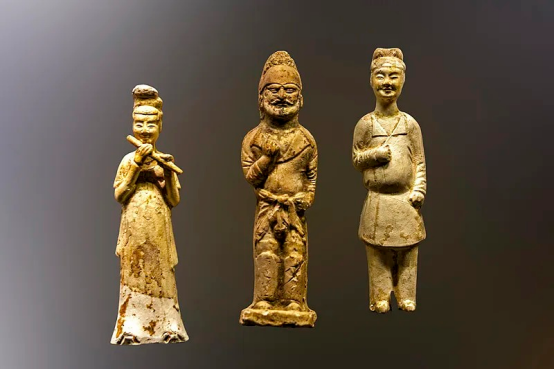
3. Evening research assignment: Summarize the historical significance of the Qin Dynasty's unification of China and prepare presentation materials for the camp finale.
Day 6: The Comprehensive History of Xi'an – The Evolution of the Yellow River Civilization from Prehistoric Times to the High Tang Dynasty
Research Theme: A comprehensive overview of the ten-thousand-year history of civilization development in the Yellow River Basin. Schedule:
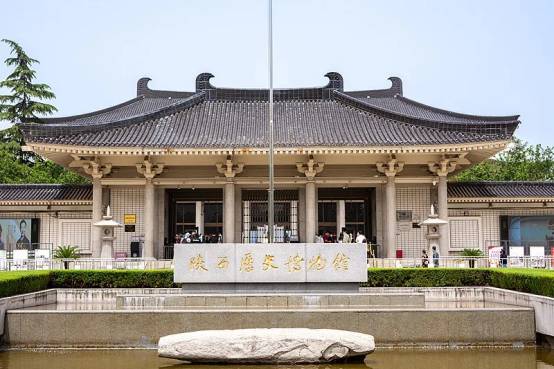
1. Morning | Shaanxi History Museum
Professional bilingual guides lead the tour throughout, systematically tracing the evolution of civilization in the Yellow River Basin—from Banpo painted pottery and Shang-Zhou bronze artifacts to Qin-Han relics and Tang Dynasty gold and silver ware—and completing the museum's treasure hunt quiz challenges.
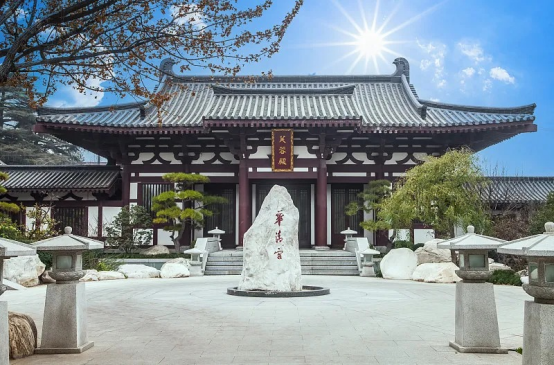
2. Afternoon | Huqing Palace: A Dual-Theme Educational Tour
Explore the imperial gardens, hot spring rituals, and court culture of the High Tang Dynasty; simultaneously study the history of the Modern Xi'an Incident to appreciate the pivotal historical transitions and societal transformations between past and present.
3. Evening Session | Watch the Tang Dynasty-themed live performance in its authentic setting
Immerse yourself in the artistic and literary atmosphere of the High Tang Dynasty, write study travel essays, and enhance your personal research portfolio.
Day 7: Guanzhong Folk Customs | Intangible Cultural Heritage Experience + Closing Report and Departure
Research Theme: Summary and Dissemination of Folk Culture in the Yellow River Basin Itinerary:
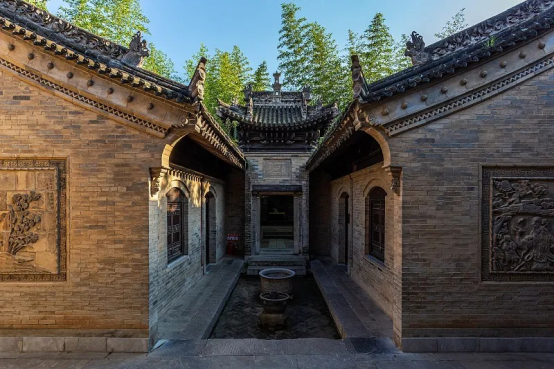
1. Morning | Guanzhong Folk Culture Museum
Explore the ancient residential architectural complexes from the Ming and Qing dynasties to learn about the distinctive features of Guanzhong-style dwellings and their clan-based folk culture; experience two intangible cultural heritage traditions—Guanzhong shadow puppetry and Northern Shaanxi paper-cutting—and appreciate the charm of folk arts in the Yellow River Basin.
2. Closing Ceremony
Each group will present their seven-day study program outcomes in turn, followed by feedback and summaries from instructors. Each international student will receive an official study program completion certificate, and all handmade projects and learning materials will be properly organized and archived.
3. Afternoon | Unified airport/station pickup; the entire educational tour concludes successfully