English
 French
 Spanish
 Russian
 Arabic
 Italy
Italy
Practical Travel Tips for Thailand
I. Documents Required for Visa Application
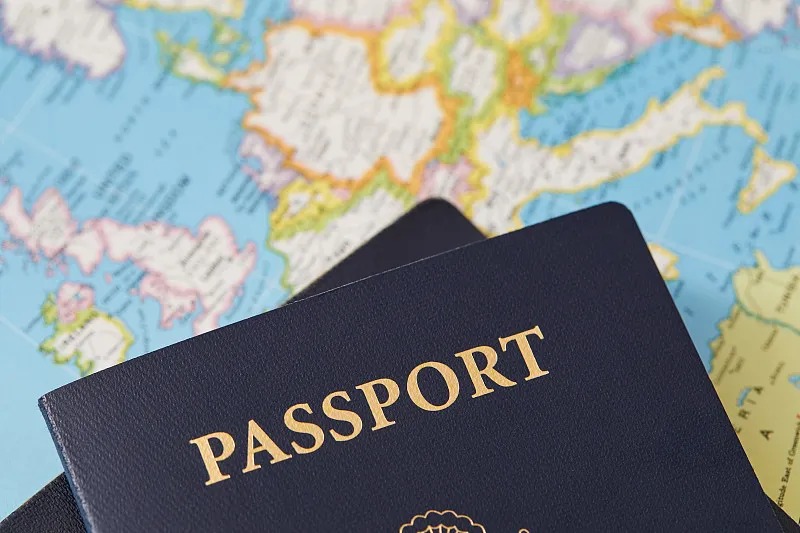
Basic identity documents: A passport valid for at least 6 months with no fewer than 2 blank visa pages, and color passport photos with a white background taken within the last 6 months. For online applications, electronic versions of the documents shall be submitted as required.
Itinerary supporting documents: Round-trip flight itinerary and accommodation booking confirmations for the entire stay in Thailand, with the applicant’s full name and check-in information clearly stated.
Documents for random entry inspection: Thai immigration authorities may conduct random checks on the amount of cash carried by incoming travelers. Both individual and family travelers shall prepare Thai baht or equivalent foreign currency in cash. Bank cards and electronic account balances are not accepted as proof of funds.
Additional notes: Chinese citizens eligible for the visa-free policy may enter Thailand directly with a passport, and the length of stay is subject to the approval of the port of entry. Electronic tourist visa applications can be submitted online via Thailand’s official e-Visa system. Additional documents such as bank statements and employment certificates may be required in some cases. Specific requirements are subject to the latest official announcements.
II. Transportation Options
Urban Transportation
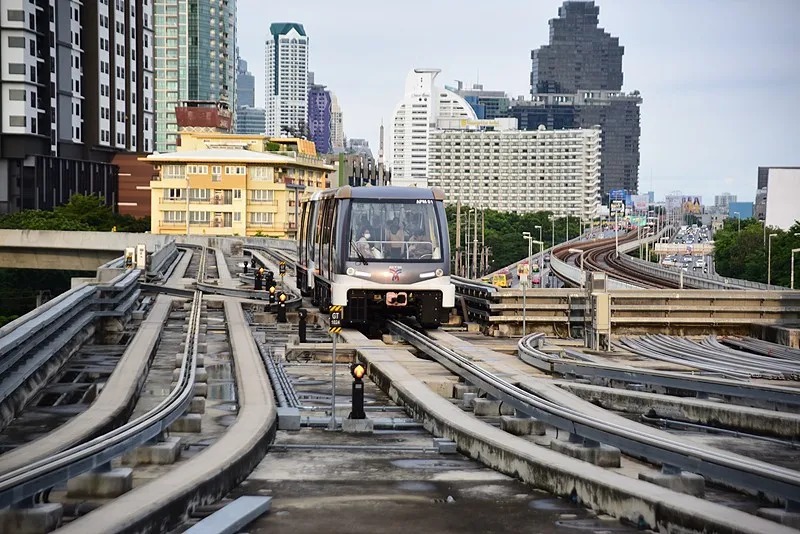
Rail transit: Core cities such as Bangkok are served by the BTS Skytrain, MRT Subway and Airport Rail Link, which cover major business districts, scenic spots and transport hubs and serve as an efficient way to avoid road congestion. Corresponding stored-value transit cards are available for convenient rides and can also be recharged and used for payments at convenience stores.
Local mobility options: Tuk-tuks (three-wheeled motorcycles) and songthaews (shared pickup trucks) are common short-distance transport options on Thai streets. It is advisable to confirm the route before boarding. Taxis can be taken on a metered basis, or booked in advance via local ride-hailing apps for more transparent and standardized trips.
Water transport: Public river boats, ferries and speedboats operate along the Chao Phraya River in Bangkok and in southern island areas. They are not only a distinctive local way of travel but also provide direct access to riverside attractions and outlying islands.
Intercity Transportation
Domestic flights: Thailand has a dense domestic air network covering major tourist cities such as Bangkok, Chiang Mai, Phuket and Krabi, making it an efficient choice for long-distance cross-regional travel.
Long-distance buses: Routes cover most towns and cities nationwide, with both regular services and overnight sleeper buses available. They combine travel and rest and are suitable for slow-paced travel on a budget.
Rail services: Thailand’s railway network extends north and south from Bangkok, with both regular trains and sleeper trains available. Passengers can enjoy rural scenery along the way, making it ideal for a slow-paced intercity travel experience.
General Travel Tips
Confirm the travel scope and pricing method before boarding tuk-tuks or songthaews to avoid disputes.
On public escalators, stand on the left side and keep the right lane clear for fast passage. Follow the "alight first, board later" rule and queue in an orderly manner when taking vehicles.
III. Weather and Dressing Guide
Cool season (November – February): The weather is cool and pleasant with little rainfall, making it the peak tourist season. Northern mountainous areas such as Chiang Mai have noticeably cool mornings and evenings. It is recommended to wear thin long-sleeve tops and long pants, and bring a light coat for temperature differences. Southern islands are warm and pleasant, and short sleeves and shorts paired with a light outer layer are sufficient.
Hot season (March – May): This is the hottest period of the year with high temperature and humidity. It is advisable to wear breathable and lightweight short sleeves and shorts, and prepare sun protection items such as hats, sunglasses and high-SPF sunscreen. Indoor spaces and shopping malls have strong air conditioning, so a thin cardigan can be prepared for temperature differences.
Rainy season (June – October): There are frequent short afternoon thunderstorms that start and end quickly, and the overall temperature remains high. It is recommended to wear quick-drying and breathable clothing, and carry a foldable umbrella or portable raincoat for sudden rainfall.
Dress code for religious sites:When entering temples, royal palaces and other religious sites, strict dress codes must be observed: shoulders and knees must be fully covered; sleeveless tops, mini skirts and crop tops are not allowed. Shoes must be removed before entering the main Buddha halls, so easy-to-slip-off footwear is recommended. Shawls and sarongs are available for rent at some scenic area entrances, but it is advisable to prepare appropriate clothing in advance.

IV. Payment Methods
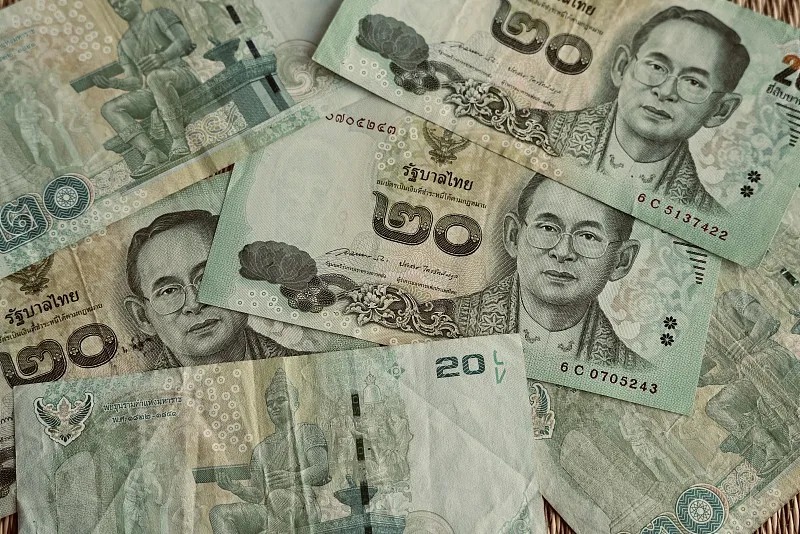
Cash: Cash is the most widely accepted payment method in Thailand. Street food stalls, night markets, traditional small shops, short-distance transport and rural scenic spots mostly only accept cash. It is advisable to carry a moderate amount of Thai baht cash, preferably in small denominations for daily use.
Bank cards: International credit cards such as Visa and MasterCard are widely accepted at large shopping malls, chain hotels, branded restaurants and duty-free shops. UnionPay cards can be used directly at large merchants and chain convenience stores in major tourist cities, and most ATMs support cash withdrawal with overseas UnionPay cards.
Mobile payment: Alipay and WeChat Pay are available at large shopping malls, chain convenience stores, drugstores and duty-free shops in tourist-heavy cities such as Bangkok, Chiang Mai and Phuket, allowing direct QR code payment. Coverage is low in remote towns and local markets, so it is not recommended as the primary payment method.
Additional tips: It is recommended to exchange currency at authorized exchange outlets. For large-value purchases, priority is given to card payment or formal mobile payment to ensure transaction security.