English
 French
 Spanish
 Russian
 Arabic
 Italy
Italy
I. Documents Required for Visa Application
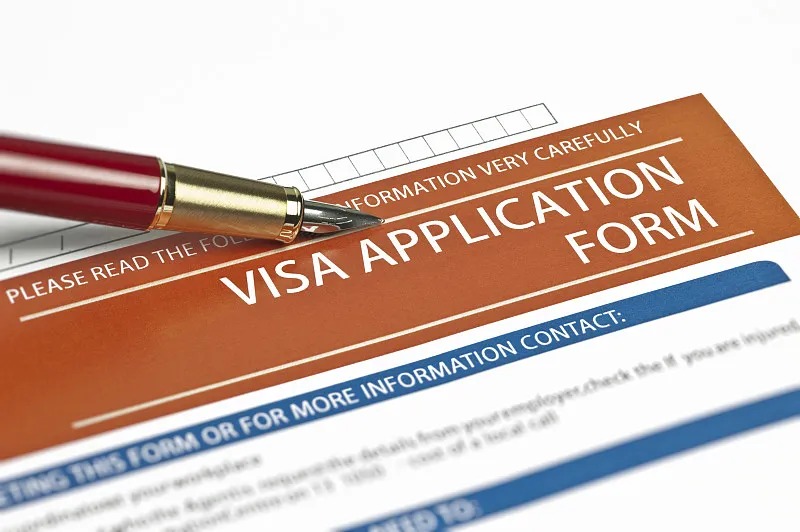
Basic identity documents: Original passport valid for at least 6 months with no fewer than 2 blank visa pages, color passport photos with a white background taken within the last 6 months, and a fully completed and signed visa application form. For electronic visa applications submitted online, corresponding electronic documents shall be provided as required.
Identity and financial proof documents: Employed applicants shall provide an employment certificate and social security or income-related vouchers; students shall provide a school enrollment certificate and student ID; retirees shall provide a retirement certificate; non-employed applicants may submit bank statements and asset certificates to demonstrate travel affordability and intention to return within the permitted period. Applicants applying outside their registered residence jurisdiction shall provide additional proof of local residence.
Itinerary verification documents: Round-trip flight itinerary and accommodation booking confirmations for the entire stay, with the applicant’s full name and travel details clearly indicated. A brief travel itinerary may be prepared in advance for random entry inspection.
Visa-free entry notes: Chinese citizens traveling directly to Jeju Island by flight are eligible for visa-free entry, with a maximum stay of 30 days and travel restricted exclusively to Jeju Island. Group tourists of 3 or more persons organized by designated travel agencies may enjoy visa-free entry to mainland South Korea under temporary policies, with a stay of no more than 15 days. Travel itineraries must be filed in advance as required, and specific rules and validity periods are subject to the latest official announcements from South Korean authorities. All visa-free travelers shall prepare their passport, return ticket and accommodation bookings for inspection.
II. Transportation Options
Urban Transportation
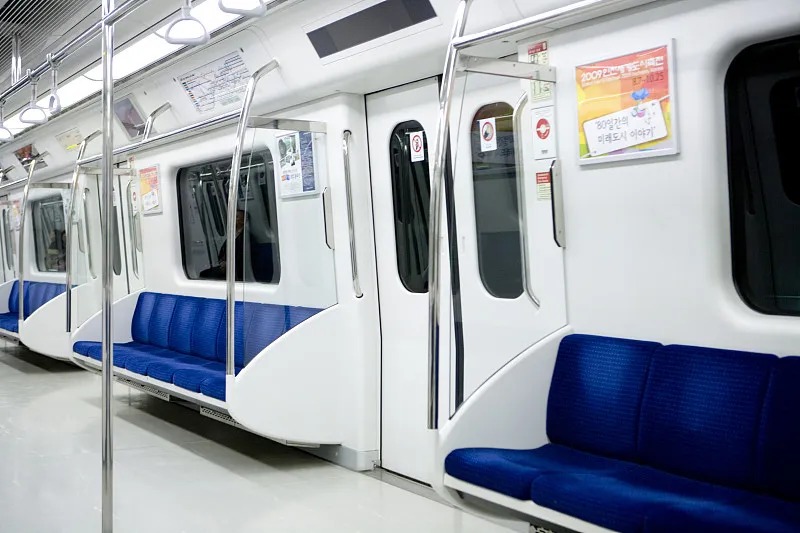
Rail transit is the primary travel mode in core cities such as Seoul and Busan. Subway lines cover business districts, scenic spots and transport hubs with convenient transfers, making them the top choice for avoiding road congestion.
Bus routes cover extensive areas, reaching neighborhoods and attractions not served by rail transit, serving as an important supplement to urban travel.
The T-money transit card is recommended. It is valid for subways, buses, taxis and other forms of public transport, and can also be used for small-value payments at convenience stores and vending machines. It is easy to recharge and accepted in most cities nationwide.
Taxis can be hailed on the street, and ride-hailing apps are available in some cities, making them suitable for trips with heavy luggage or short journeys with time constraints. Public transport coverage on Jeju Island is limited, so chartered cars or self-driving rentals are common travel options.
Intercity Transportation
The KTX (Korea Train Express) connects major cities across the country with frequent services and high punctuality, serving as an efficient option for long-distance intercity travel.
Long-distance buses have extensive routes with regular seats and sleeper services, reaching most small and medium-sized towns and suitable for slow-paced travel.
The domestic flight network is well-developed, with frequent flights between Seoul, Jeju, Busan, Daegu and other cities, ideal for long-distance cross-regional travel.
General Transportation Etiquette
Stand on the right side of escalators, keeping the left lane clear for fast passage.
Keep voices low on subways and buses, set mobile phones to silent mode, and avoid loud conversations or phone calls.
Follow the "alight first, board later" rule, queue in an orderly manner, do not rush for seats, and offer seats to the elderly, pregnant women and people with reduced mobility.
III. Weather and Dressing Guide
Spring (March–May): Temperatures rise gradually with significant day-night temperature differences. March remains cool, while May is warm and pleasant, with mostly sunny weather during the cherry blossom season. Layered dressing is recommended: thin long-sleeve tops as inner layers, paired with a windbreaker, light coat or knit cardigan. A thin scarf can be useful for cool mornings and evenings.
Summer (June–August): The rainy season mostly falls in June, while July and August are hot and humid, with occasional typhoons around the turn of summer and autumn. Wear breathable, quick-drying short sleeves and shorts, and carry a dual-purpose umbrella and sun protection products. Indoor air conditioning is strong, so a thin cardigan is advisable for temperature differences.
Autumn (September–November): The weather is cool and dry, making it a comfortable travel season with stunning fall foliage scenery. Day-night temperature differences gradually widen as autumn progresses. Wear long-sleeve inner tops paired with a light windbreaker or casual coat, and switch to a thicker coat for late autumn to adapt to temperature changes.
Winter (December–February): The climate is cold and dry, with snowfall in most regions and even lower temperatures in northern mountainous areas. Wear a thick down jacket, warm sweater, thermal underwear and non-slip, warm footwear. Warm accessories such as hats, scarves and gloves are recommended. Jeju Island, influenced by its maritime climate, has relatively mild winters and does not require extremely heavy cold-weather gear.

IV. Payment Methods
Bank cards: Credit cards are extremely widely used in South Korea. International credit cards such as Visa and MasterCard are accepted at the vast majority of shopping malls, restaurants, hotels and convenience stores. UnionPay cards can be used directly at major business districts, duty-free shops, chain brand stores and convenience stores in core tourist cities including Seoul, Busan and Jeju.
Cash: Traditional markets, street food stalls, small restaurants, some rural scenic spots and short-distance transport still mainly accept cash. It is advisable to carry a moderate amount of South Korean won in cash, preferably in small denominations for daily use.
Mobile payment: Alipay and WeChat Pay are widely accepted at large shopping malls, duty-free shops, chain convenience stores, popular scenic spots and catering outlets in tourist-dense areas, allowing direct QR code payment. Coverage is limited in smaller towns and local merchants, so it is not recommended as the primary payment method.
Additional tips: Transit cards such as T-money support small-value payments at convenience stores and vending machines. ATMs at bank branches and chain convenience stores generally support cash withdrawal with overseas bank cards for on-demand cash top-ups.