English
 French
 Spanish
 Russian
 Arabic
 Italy
Italy
I. Guidelines for Entry and Customs Clearance
1. Visa and Stay Regulations: The duration of visa-free entry varies by country. A China passport allows 30 days of visa-free stay, while most countries in Europe, America, Australia, and New Zealand offer 90 days. It is essential to verify the latest policies from the Malaysian Immigration Department before travel. Visa-free entry is exclusively for tourism or visiting relatives; working, conducting business, or staying for long-term online courses are strictly prohibited. Failure to comply may result in substantial fines and inclusion on Malaysia's entry blacklist. Passports must have a validity period of at least six months, include at least two blank visa pages, and be free from damage or alterations.
2. Electronic Entry Card: All foreign tourists must complete the MDAC Electronic Entry Card within 72 hours prior to arrival, save the electronic version or print a confirmation form. Customs will conduct random checks; failure to submit the form will result in immediate entry denial.
3. Required documents for entry verification: round-trip air tickets, itinerary details, and hotel reservation confirmations (electronic versions are valid). It is recommended to provide proof of liquid funds equivalent to $1,000 to avoid entry denial due to insufficient financial documentation.
4. Differences between entry procedures for West and East Malaysia (common pitfalls): West Malaysia (Kuala Lumpur, Penang, Malacca) and East Malaysia (Sabah, Sarawak) operate under two separate immigration systems. Foreign visitors arriving in East Malaysia must have their passports stamped at the border; failure to do so may result in denial of departure, fines, or detention. Passports from West Malaysia still require inspection upon arrival in East Malaysia.
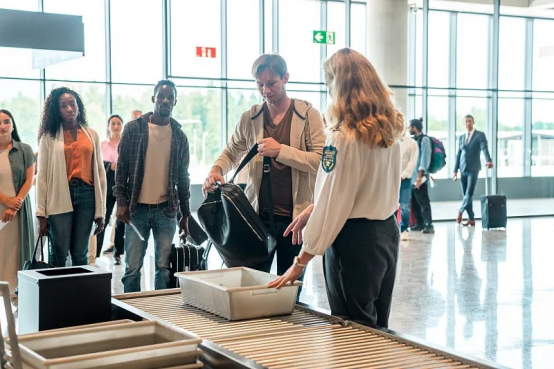
5. Customs Declaration and Prohibited Items: Cash exceeding US$10,000 in equivalent value must be declared proactively when entering or exiting the country. The import of narcotics, fresh animal or plant products, or large quantities of tobacco and alcohol is strictly prohibited; durian and mangosteen are not permitted in hotels or public enclosed spaces; smoking is banned in all public areas nationwide, with fines up to RM10,000 for violations.
II. Currency and Consumption Guidelines
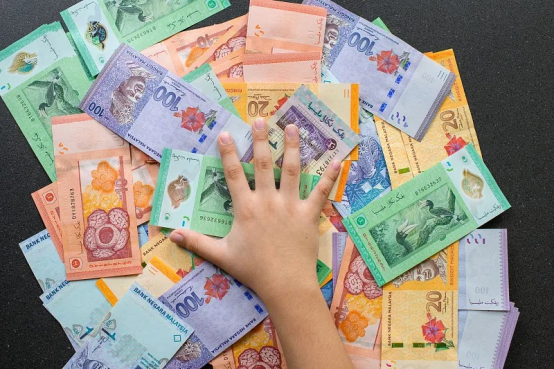
1. Official Currency: The Malaysian Ringgit (code MYR, abbreviated RM) is the sole official currency of Malaysia.
2. Exchange advice: Airport exchange rates are highly unstable and only suitable for small-scale emergency transactions; the best rates are available at authorized currency exchange points on the basement floors of city shopping malls. Visa and Mastercard international credit cards are accepted in malls and luxury hotels, while cash is required for night markets, street food stalls, and short trips. Before traveling, notify your bank of your overseas travel schedule to prevent card suspension.
3. Tip Policy: Malaysia does not have a mandatory tip system; high-end restaurants include service charges in the bill, with no additional tipping required. A voluntary tip of RM5–10 may be given only for premium luggage assistance or exclusive services.
4. Payment Options: Local Grab Pay and domestic e-wallets are available only for Malaysian residents; foreign tourists may only use cash or international credit cards.
5. Shopping Tax Refund: Customers can enjoy the tourist tax refund policy for single purchases exceeding RM300; please retain your receipt and complete the refund procedures at the airport upon departure.
III. Safety Regulations for Transportation and Travel
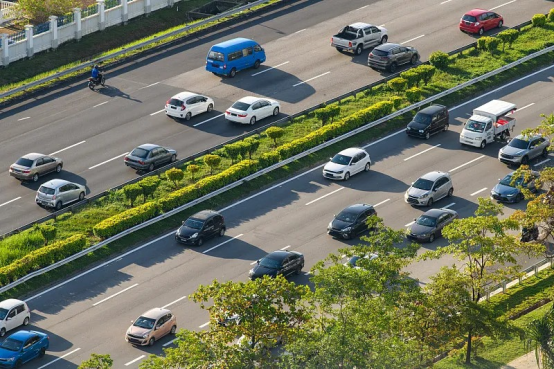
1. Traffic Rules: Malaysia follows a right-hand drive, left-turn traffic system, which is opposite to that of most countries. Foreign tourists must use pedestrian overpasses or crosswalks when crossing the road; crossing the road directly is strictly prohibited. All passengers must wear seat belts at all times while traveling in vehicles.
2. Anti-abuse measures for ride-hailing services: It is prohibited to intercept cruising taxis on the roadside, as foreigners are particularly vulnerable to excessive fare demands or refusal to use the meter. Using Grab for the entire journey ensures transparent pricing and traceable routes, making it the sole safe and preferred choice for foreign tourists.
3. Public Transportation: Kuala Lumpur's urban area is well-covered by LRT and MRT light rail systems, with Touch n Go transit cards available for payment. The trains feature dedicated women's carriages; female travelers traveling alone at night are advised to prioritize these cars for enhanced safety.
4. Driving Guidelines: Foreign standard driver's licenses and their translated versions are not valid for self-driving car rentals in Malaysia; this option is not recommended. Local motorcycle traffic is dense, road conditions are complex, and accident rates are high—foreign tourists are advised against driving independently.
5. Cross-regional travel: The Xima intercity bus and high-speed rail offer convenient and efficient options; however, only low-cost airlines serve the East-Ma and West-Ma routes, with separate baggage allowances required. Overweight charges are substantial, so please confirm baggage regulations in advance.
IV. Religious and Cultural Etiquette Taboos
Malaysia recognizes Islam as its state religion while embracing diverse cultures from Chinese and Indian communities. Foreign visitors are urged to respect local customs and avoid any breaches of etiquette or regulations.
1. Body etiquette: The head is regarded as a sacred part by locals; touching the heads of locals or children is strictly prohibited. Pointing fingers directly at others is considered extremely impolite. The left hand is used for cleaning purposes locally; right-handedness must be observed when handing items, shaking hands, paying bills, or receiving food. One should not casually refuse food offered as a kind gesture.
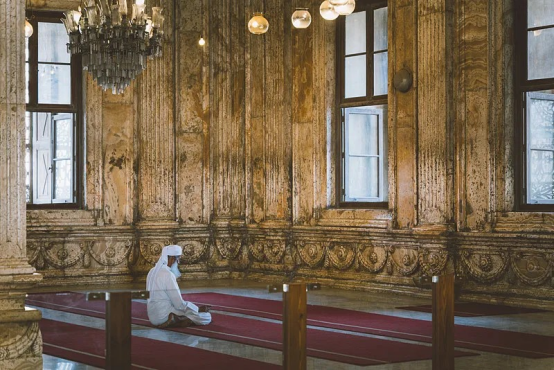
2. Religious venue regulations: Visitors to mosques must wear long sleeves and trousers; women are required to cover their heads with a headscarf. Long robes can be rented free of charge at the entrance. Shoes must be removed upon entry. Loud talking and unauthorized photography are prohibited; prior consent must be obtained from local residents for photography.
3. Dietary Etiquette: Muslim restaurants do not serve pork or alcoholic beverages; it is prohibited to order pork or strong alcoholic drinks voluntarily. During Ramadan, all Muslims observe a full-day fast. Foreign tourists are advised to avoid consuming large amounts of food or beverages in public settings and to respect local religious customs.
4. Dress Code Requirements: Short-sleeved shirts and shorts are permitted for regular wear in urban shopping malls and commercial areas; conservative attire is required when entering rural areas or religious venues, with exposure of shoulders and wearing ultra-short skirts or shorts strictly prohibited. Indoor spaces throughout the area are well-air-conditioned; it is recommended to carry a light jacket at all times.
5. Address Etiquette: Avoid using the abbreviation "Malay"; locals are quite sensitive to this, so referring to it uniformly as "Malaysia" is more appropriate and polite.
V. Communications and Transportation Tools
1. Data Plan: Airport convenience stores offer Hotlink and Celcom data cards exclusive to foreign tourists, with the 7-day 15GB plan providing the best value; for trips to East Malaysia's islands such as Sabah and Sarawak, Celcom is recommended for its more stable signal.
2. Essential Apps: Use Google Maps for navigation, Grab for ride-hailing and food delivery, and WhatsApp as the primary local messaging app; always have a translation app ready.
3. Internet and Electrical Appliances: Most shopping malls and hotels provide free Wi-Fi, while internet connectivity at island homestays is generally weak. Local sockets use British-standard three-prong plugs (240V), requiring users to bring their own adapter plugs.
VI. Personal and Property Safety
1. Anti-snatching measures: Major urban thoroughfares, night markets, and pedestrian overpasses in Malaysia are high-risk areas for motorcycle snatch thefts. When traveling outdoors, keep your backpack positioned at the front, avoid exposing your mobile phone or wallet, and refrain from using your phone while walking.
2. Night travel: Avoid going alone to remote alleys or uninhabited beaches at night; travel with companions and share your itinerary in real time with fellow travelers.
3. Document Management: Foreign tourists must carry their original passports when traveling abroad, as local law enforcement authorities may conduct random inspections at any time; failure to present valid documents will result in temporary detention. Electronic copies of the passport's front page and entry stamp page should be retained in advance, with paper copies stored separately from the originals. In case of document loss, immediately report it to the police and contact the consulate of your home country for replacement.
4. Water activities: snorkeling, diving, speed boating, etc. Only engage with certified operators and wear life jackets throughout the activity. In the eastern waters of Sabah, continuously monitor consular safety alerts; unauthorized visits to remote uninhabited islands are strictly prohibited.
5. Emergency Numbers (valid throughout Malaysia): Police/first aid – 999; Fraud reporting – 997. Save the contact details of your home country's embassy in Malaysia before traveling.
VII. Health Protection and Pre-trip Preparation
1. Climate Protection: Malaysia experiences consistently high temperatures throughout the year, with an average daily temperature of approximately 30°C. The rainy season occurs from October to March, characterized by frequent sudden showers; therefore, a portable umbrella should always be available. Dengue fever is highly prevalent locally; travelers to islands or jungle areas must carry effective mosquito repellent liquids or sprays.
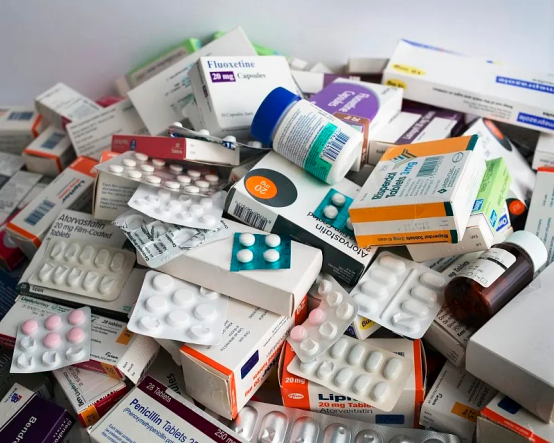
2. Essential supplies: Bring your own gastrointestinal medication, cold medicine, high-factor sunscreen, and mosquito repellent. Prescription medications must be retained in their original packaging to avoid customs inspection disputes.
VIII. Exclusive Prohibitions and Safety Tips for Foreign Tourists
1. Participation in all illegal activities, including gambling, telecom order fraud, and unauthorized product purchasing or sales services, is strictly prohibited. Foreign nationals involved in such offenses will face even stricter penalties, including direct deportation and a permanent ban on entering Malaysia.
2. Price negotiation: Street vendors and small shops in tourist areas may negotiate prices moderately; large shopping malls and chain stores must display prices clearly and are not allowed to haggle.
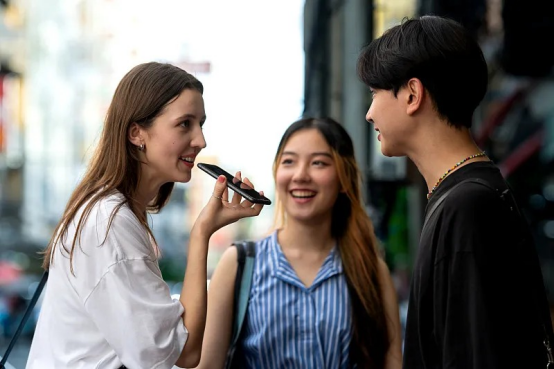
3. Language Communication: Standard English is required for high-end service industries; Chinese can be used in Chinese-dominant neighborhoods in Kuala Lumpur and Penang, while simple Malay greetings can enhance goodwill among passersby.