
 English
 French
 Spanish
 Russian
 Arabic
 Italy
Italy
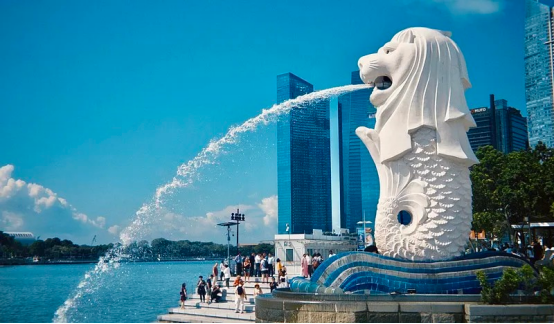
I. Mandatory Rules for Entry and Customs Clearance
1. Basic Requirements for Documents
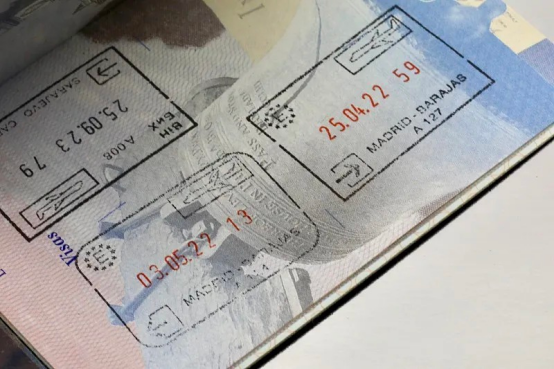
The passport must remain valid for at least six months beyond the departure date, with a minimum of two blank visa pages reserved. Passports that are damaged or folded will be immediately denied entry. All foreign visitors must complete the SGAC Electronic Entry Card within three days prior to arrival, retain a screenshot of the QR code, and use it to pass through self-service gates; failure to do so will result in entry denial.
The Customs will conduct random inspections of hotel reservation records and round-trip flight tickets throughout the trip. Visa-exempt visitors must provide valid return travel documents; entry without a return ticket is strictly prohibited. Visitors must strictly adhere to the permitted stay duration, and overstaying beyond the allowed period is forbidden.
2. Cash and Reporting Rules
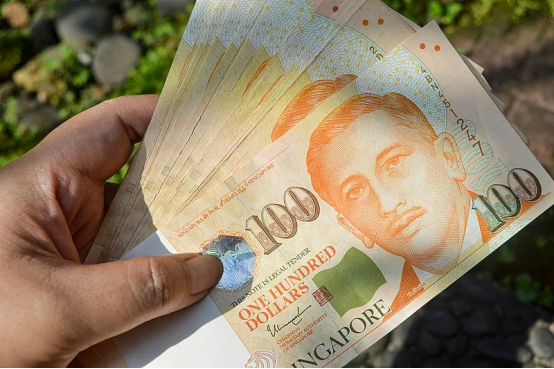
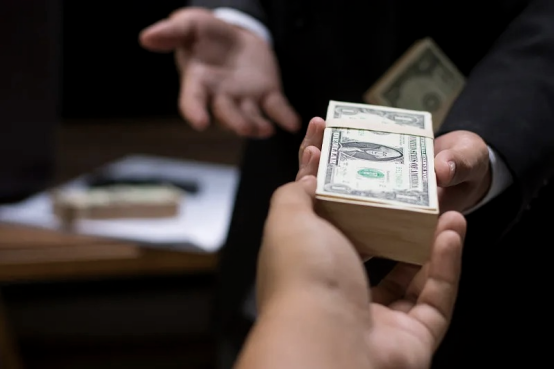
Carrying cash, foreign currency, checks, or precious metals equivalent to S$20,000 or more must be declared through the designated red channel. Failure to declare such items will result in confiscation of the assets and substantial fines upon detection. Additionally, individuals must comply with their country's regulations regarding permitted amounts of cash carried abroad and must not exceed these limits.
3. Prohibited/Limited Items for Entry
[Strictly prohibited; severe investigation and penalties apply]
Gum (only prescription varieties are permitted), e-cigarettes, and all vaporization devices (with a maximum fine of S$10,000 or imprisonment for 6 months); fresh meat, cured meats, sausages, marinated foods, fresh eggs, and fresh durian fruits; pirated audiovisual materials, counterfeit luxury goods, prohibited publications, and narcotics.
Tobacco and alcohol are strictly regulated; there are no tax exemption privileges.
There is no tax exemption limit for cigarettes; any quantity smuggled will incur taxes, with a fine of S$200–500 per pack. Items exceeding 400 grams require a special import permit. Alcoholic beverages are exempt from duty only for tourists aged 18 or above who stay abroad for more than 48 hours, with a maximum allowance of 2 liters (including up to 1 liter of spirits); amounts exceeding this limit are subject to full taxation.
[Allow personal use and carrying]
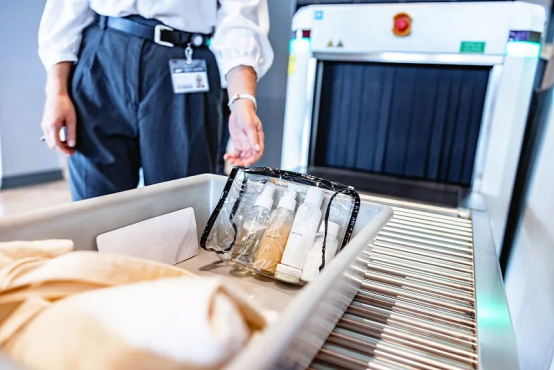
A small quantity of fresh fruits and vegetables, personal skincare products for individual use, and essential medications (limited to personal consumption; large quantities require prior approval).
II. Guidelines for Monetary Payments and Foreign Exchange Transactions
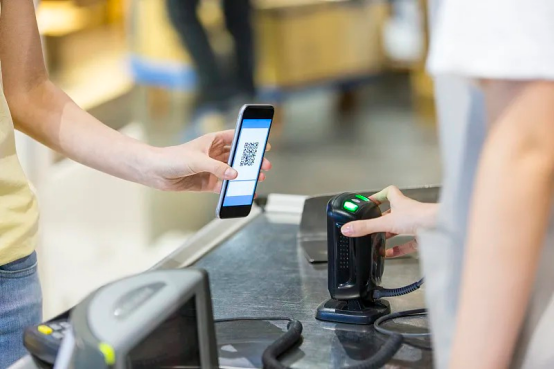
The official currency is the Singapore dollar (SGD). Major shopping malls, chain restaurants, and branded stores accept payments via UnionPay, Visa, Mastercard, Alipay, or WeChat Pay. However, street vendors, traditional food stalls, short-distance taxis, and small roadside shops only accept cash; therefore, it's essential to carry small amounts of SGD change for emergencies.
Exchange rate tips: Airport exchange rates are the worst – avoid large transactions; professional currency exchange shops in areas like Chinatown and Mustafa offer the best rates; compare prices before converting; domestic banks only require small advance payments for emergencies.
Consumption Policy: All product and meal prices include a 7% consumption tax with no additional charges. Local tipping is not mandatory; you may voluntarily give a 10% tip if satisfied with the service, though it is not considered impolite to decline.
III. Communication, Charging, and Essential Tools
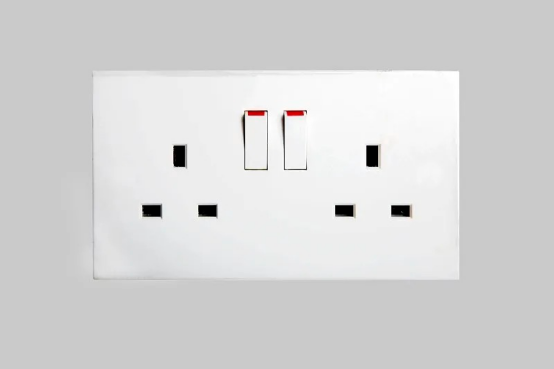
The sockets comply with British Standard large three-pin (BS1363) specifications; hotels typically do not provide adapter plugs, so you must bring your own. Regarding internet connectivity, airport SIM cards are significantly overpriced—it's advisable to purchase a cross-regional data card for China and Malaysia in advance for better value.
Essential travel apps: Grab (ride-hailing and food delivery), Google Maps (precise navigation), and Google Translate (languistic assistance). Power banks with a capacity of up to 20,000 mAh and bearing 3C certification are permitted for entry. Shared power banks are virtually unavailable throughout Singapore; you must carry your own.
IV. Fundamental Rules for Public Transportation Use
1. Metro (MRT) + Public Transport
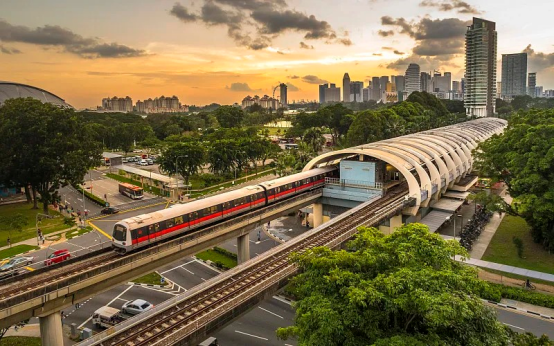
No single-direction paper tickets are available locally. Three payment options are offered: 1) Contactless Visa/Mastercard payments (with a daily service fee of S$0.6); 2) EZ-Link Card (available at airports and 7-Eleven stores; costs S$5 with no refundable fee, valid for both transportation and retail purchases); 3) Tourist STP Pass Card (provides unlimited rides for 1, 2, or 3 days – ideal for short-term visits).
Core Prohibition (extremely high fines): Eating, drinking, or consuming water is strictly prohibited throughout subway carriages, platforms, and buses; violations may incur a maximum fine of S$500. Card swiping is required in both directions when boarding/balancing buses or passing through subway gates; failure to swipe the card will result in deduction of the full fare. Durian and mangosteen are prohibited in all public transportation vehicles; violators face a fine of S$500. Removal of footwear, crossing legs, or loud talking are forbidden inside vehicles.
2. Guide to Using Grab for Taxi Services
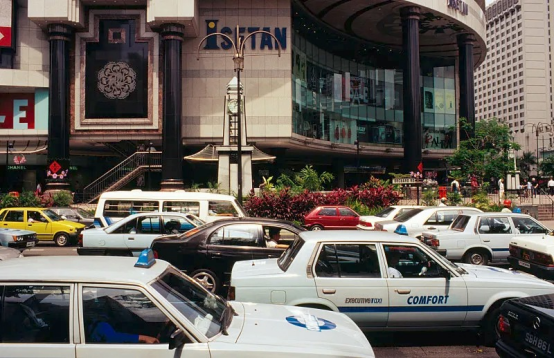
Taxis at roadside stops often charge exorbitant premiums. We recommend using Grab for online ride booking, which offers transparent pricing and affordability, with support for Alipay, foreign currency cards, and cash payments. Additional fees apply during morning/evening rush hours, late nights, and departures from airports; traveling outside these peak periods can save costs. Most taxis prohibit the carriage of durians or mangosteen fruits; please confirm this before boarding to avoid high cleaning charges.
V. Legal Fine Limits
Singapore is known as the "Fine City," featuring comprehensive surveillance systems and plainclothes patrols throughout the city. All regulations apply equally to tourists from all countries without any preferential treatment. Key prohibitions include the following:
1. Smoking in non-designated areas (bus stops, shopping malls, parks, corridors, etc.): A maximum fine of S$1,000; smoking is permitted only in areas marked with a yellow "Smoking Area" sign.
2. Littering, discarding cigarette butts, or spitting in public: First offense carries a fine of HK$300; repeat offenders will face compulsory community service.
3. Feeding pigeons or stray animals: A fine of S$500–S$2,000;
4. Failure to flush public restrooms after use or unauthorized graffiti in common areas: Starting from S$150–S$500;
5. Loud noise, playing music at high volume, or other disturbances in residential areas after 10:00 PM: Up to S$1,000;
6. Jumping across roads, climbing over guardrails, or displaying inappropriate behavior in public: A fine of S$50–S$500;
7. Insulting public officials or disrupting public order: Subject to heavy fines and short-term imprisonment.
VI. Climate-Appropriate Clothing and Essential Items to Bring
Singapore maintains a year-round temperature range of 25–32°C, characterized by high humidity and frequent brief afternoon showers. Daily clothing should primarily consist of breathable short-sleeved shirts and shorts. Important reminder: shopping malls, subways, museums, and exhibition halls are equipped with strong air conditioning systems that consistently maintain temperatures around 18°C; therefore, it is essential to carry light jackets or shawls to prevent cold exposure.
Essential items: high-protection sunscreen, rain-and-sun dual-use umbrella, and mosquito repellent. When entering religious sites such as Foyasi Temple, Sultan Mosque, or Guanyin Hall, visitors must wear long sleeves and long pants; women are required to carry their own headscarves to cover hair. Short pants, strapless clothing, and backless garments are prohibited. Strict adherence to religious dress codes is mandatory.
VII. Dining Etiquette and Cultural Taboos
Local street vendors and food establishments generally adhere to a "seat reservation practice," where umbrellas or tissues may be temporarily used to occupy seats. Do not arbitrarily move or remove others' reserved items to avoid conflicts. Durian may only be consumed in outdoor open areas; its consumption is strictly prohibited in hotels, shopping malls, restaurants, and elevators. Failure to clean up contaminated areas may incur substantial cleaning fees of several hundred Singapore dollars.
Respect for multiculturalism: Malay and Muslim restaurants do not serve pork or alcohol; customers should not proactively request these ingredients when ordering. Indian vegetarian restaurants prohibit bringing their own meat to comply with local dietary traditions.
VIII. Safety Measures and Emergency Assistance
Singapore boasts one of the highest levels of public safety globally, with extremely low rates of theft, robbery, and violent incidents, making nighttime travel alone highly secure. It is recommended to photograph your passport and visa and store the images digitally while keeping physical copies separate from the originals. In case of loss, you can use these copies to promptly apply for replacement travel documents at the ICA Immigration Department.
24-hour multilingual emergency hotline:
Police/Emergency Unified Hotline: 999
Tourism disputes and non-emergency inquiries: 1800 736 2000 (Singapore Tourism Board hotline)
IX. A Summary of Exclusive Tips for Tourists to Save Money and Avoid Common Pitfalls
1. For short trips, prioritize subway or bus; for long-distance travel with multiple passengers, use a taxi, and avoid peak-hour pricing periods during morning and evening rush hours.
2. For daily meals, prioritize street food stalls or community eateries—they offer far better value than mall restaurants and deliver more authentic flavors.
3. Refrain from purchasing phone cards, souvenirs, or daily necessities at the airport; prices are lower at city supermarkets and specialty stores.
4. Strictly comply with smoking bans, dietary restrictions, and environmental regulations; the cost of a single penalty ticket far exceeds recreational expenses.
5. Always keep small amounts of new currency on hand to serve street-side shops and traditional stalls that accept wireless payments.