
 English
 French
 Spanish
 Russian
 Arabic
 Italy
Italy
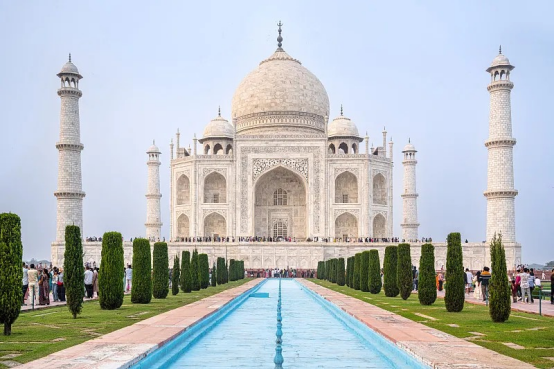
India boasts a profound cultural heritage and unique customs, yet its religious practices, sanitation conditions, and public safety regulations differ significantly from those of most countries. This travel guide, specifically tailored for international visitors, covers essential aspects such as entry procedures, safety precautions, dining etiquette, consumption guidelines, and transportation options, helping to avoid over 90% of common travel pitfalls and catering to all non-Indian travelers.
1. Entry Documents | Compliant clearance to avoid delays
1. Strict passport and visa requirements: The passport must be valid for at least six months beyond the return date; obtain the appropriate Indian sticker visa in advance; travel strictly within the visa validity period and permitted stay duration; avoid overstaying, as this may result in substantial fines and hinder future entry. Print out the visa pages, round-trip flight itinerary, and full hotel reservations before departure, as customs officers are highly likely to conduct random checks.
2. Entry Declaration and Required Documents: Complete the Air Suvidha entry declaration form in advance as per official requirements, and retain both a screenshot and a printed copy. It is advisable to carry your travel insurance certificate, as some Indian tourist attractions and immigration authorities may verify insurance information.
3. Transit Regulations: If you only stay in the airport transit area without entering India, no transit visa is required. However, if you need to leave the transit area, change airports, or stay for more than 8 hours, you must apply for a transit visa in advance to avoid travel delays.
4. Security Measures for Document Protection: Store passports, visas, and ID cards separately; avoid keeping them in the same bag. Take high-definition photos in advance and retain electronic copies, while printing 2–3 physical copies—one to carry with you and one to deposit at luggage storage. This ensures prompt replacement of lost documents.
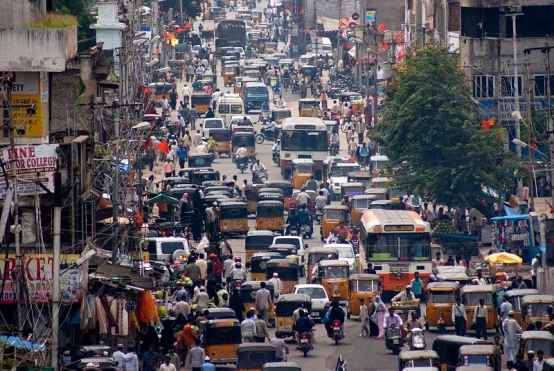
II. Safety Protection | The Top Priority: Maintain Constant Vigilance Throughout the Process
(1) Personal Safety
1. Under no circumstances should individuals go out alone at night; remote alleys, residential areas, and suburban regions should be avoided as much as possible. Even in popular tourist attractions, it is recommended to travel in groups during nighttime. During daytime outings, main roads should be prioritized over crowded or disorganized gathering areas.
2. Female tourists must dress conservatively and avoid revealing garments such as strapless tops, short skirts, or waist-exposing outfits. Long pants, long-sleeved tops, and long skirts are recommended. A lightweight scarf may be carried to cover the shoulders and head, complying with religious venue requirements while minimizing potential harassment. If approached or followed by strangers, firmly decline with a simple "No, thank you," refrain from further conversation or responses, and promptly move to crowded areas.
3. Refuse all offers from strangers—whether for assistance, directions, photo opportunities, blessings, or flower garlands—because these are all paid schemes; accepting them will lead to relentless extortion of exorbitant fees.

(2) Property Security
1. Wear a secure waist bag throughout the journey; keep cash, passports, mobile phones, and other valuable items close to your body. Avoid wearing loose-fitting clothing with pockets and refrain from placing mobile phones or wallets in pockets, as street theft and robbery are prevalent in such areas.
2. Store cash in multiple locations: keep small amounts of change in an outer pocket for minor transactions, while large sums of cash and valuables should be kept close to the body. Always wear cameras and mobile phones on a strap; do not leave them on tables, seats, or in vehicles.
3. Tourist attractions, markets, railway stations, and bus terminals are high-risk areas for theft. During crowded periods, always keep a close watch on personal belongings and do not request assistance from anyone to secure your luggage.
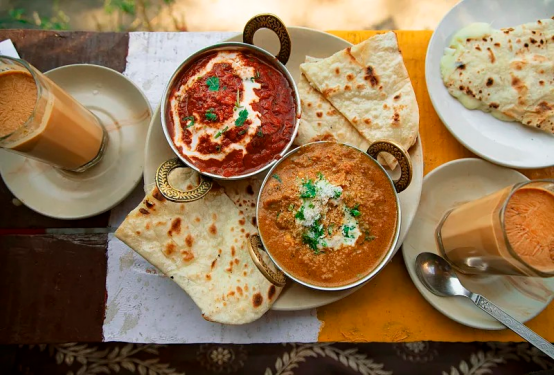
III. Healthy Diet | Preventing Gastrointestinal Disorders: Essential Life-Saving Principles
1. Strict prohibition of drinking water: Under no circumstances should tap water be consumed, used for brushing teeth, or consumed as bulk beverages from street vendors or ice-cold drinks. Only consume bottled water from reputable brands with properly sealed containers; consume it promptly after opening. Discard immediately if the cap is damaged or exhibits air leakage.
2. Dietary selection principles: Avoid all street snacks and food sold by outdoor vendors; strictly refrain from consuming raw/cold salads, cold dishes, undercooked meats, or eggs. Prioritize dining at licensed restaurants or chain establishments, and consume freshly prepared hot meals.
3. Fruit consumption guidelines: Consume only fruits that can be peeled; avoid street-vended bulk fruits and fruits soaked in water to prevent bacterial contamination.
4. Essential hygiene supplies: Always carry hand sanitizer, disinfectant wipes, and a small pack of paper towels. Local Indian high-quality paper towels are relatively expensive and of average quality; self-provisioning is more convenient. Disinfect surfaces promptly before meals, after using the restroom, or after touching public facilities.
5. Essential medications: Bring gastrointestinal medications, antidiarrheal agents, antipyretics, antihistamines, and band-aids in advance, as significant differences between Indian climate and local conditions may easily lead to gastrointestinal discomfort or allergic reactions due to insect bites.
IV. Religious Rituals & Taboos | Respect local customs and avoid offenses
1. Prohibition of using the left hand (core rule): Indians consider the left hand unclean and strictly avoid using it for shaking hands, presenting gifts or food, receiving items, or giving signals during photography; only the right hand should be employed throughout – this constitutes the fundamental etiquette requirement.
2. Temple Visit Rules: Visitors must remove their shoes upon entering all religious temples, and clothing must cover the shoulders and knees; shorts, short skirts, or off-the-shoulder garments are prohibited. Some temples prohibit non-believers from entering, forbid touching sacred statues or ritual objects, and prohibit loud talking, laughing, or playing within the temple premises.
3. Prohibitions regarding cattle and monkeys: Cattle are sacred symbols in India; they must not be driven away, touched, or photographed in a provocative manner near herds on the streets. Monkeys in scenic areas are highly aggressive; feeding them, making eye contact, or touching them should be avoided to prevent items from being stolen or injuries from bites or scratches.
4. Photography Etiquette: Before photographing local residents, distinctive folk customs, or religious scenes, always obtain prior consent from the individuals involved; do not take unauthorized photos. Photography is prohibited in many ancient buildings and sacred statues. Pay attention to on-site signs, as violators may face fines or confiscation of equipment.
5. Social Taboos: Avoid discussing religious conflicts, the caste system, or politically sensitive topics; do not casually touch the heads of local residents, as the head is considered a sacred area, and such contact constitutes a grave offense.

V. Monetary Transactions | Avoid scams and price negotiations; ensure compliant exchange
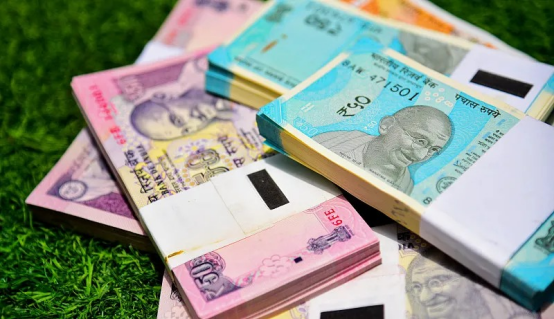
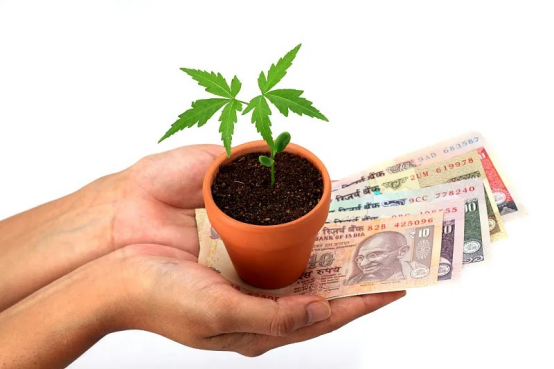
1. Currency exchange regulations: India implements strict foreign exchange controls. Foreign tourists may only exchange rupees at airports, authorized hotels, or government-designated exchange offices, and must present their passports. They should keep the transaction receipts properly; before departure, they may use these receipts to convert any remaining rupees back into their original currency.
2. Payment Methods: Credit cards are accepted at high-end hotels and shopping malls in major cities, while cash is the primary payment method in smaller towns, tourist attractions, and markets. It is advisable to carry sufficient cash in advance to avoid inconveniences caused by lack of payment options.
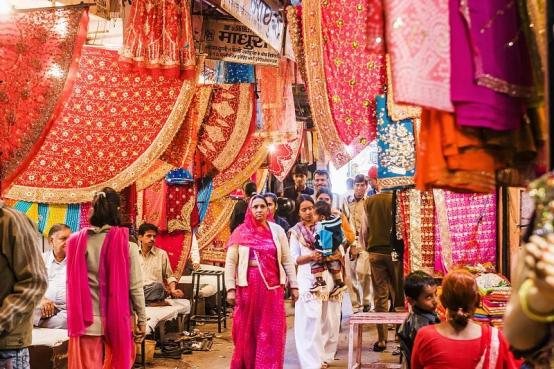
3. Essential bargaining techniques: Bargaining is applicable at street markets, small shops, tricycles, and private chartered vehicles—all of which often charge foreign tourists exorbitant prices; prices can typically be reduced by one-third to one-half. Persist in bargaining without hesitation. There is no room for negotiation at formal restaurants, branded stores, or scenic spot admission tickets.
4. Tip guidelines: In high-end hotels, restaurants, with chartered vehicle drivers, or with tour guides, it's advisable to give tips as appropriate—the amount need not be excessive; simply showing courtesy is sufficient. For ordinary street purchases, no tip is required to avoid fostering a habit of requesting tips.
5. Caution: Be wary of schemes such as "free guided tours," "internal discounted tickets," or "exclusive passes for locals" —these are all scams designed to impose additional fees and exploit visitors at inflated prices. All scenic spot admission tickets have standardized pricing and should be purchased through designated windows or official channels.
VI. Transportation | Avoid Traffic Congestion and Risks for Safe Travel
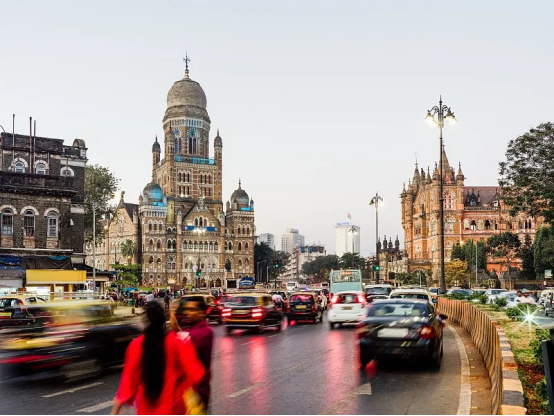
1. Urban Transportation: Prioritize using licensed ride-hailing services or taxis; avoid unlicensed black cars and three-wheeled vehicles soliciting passengers indiscriminately on the roadside. Always agree on the total fare in advance to prevent additional charges during the journey. India's traffic system is highly chaotic with severe mixing of pedestrians and vehicles; exercise extreme caution when crossing roads—never jaywalk or run across.
2. Long-distance transportation: The air conditioning temperature on Indian trains and long-distance buses is extremely low; even during summer travel, passengers must carry light jackets and large scarves to ensure warmth, dust protection, and sun protection. Train luggage must be locked and kept under constant supervision to prevent loss.
3. Optimal travel time: For popular attractions like the Taj Mahal, it is recommended to arrive before 8 AM to avoid midday sun exposure and peak tourist crowds, ensuring a better experience with unobstructed photo opportunities while reducing the risk of heatstroke.
7. Luggage & Essential Tools | Suitable for Local Travel
1. Clothing and accessories: Opt for breathable, loose-fitting, long-length garments suitable for hot climates and religious attire requirements; essential items include a sun hat, sunglasses, and high-factor sunscreen due to intense ultraviolet radiation in India; always carry a large scarf for dust protection, warmth, body coverage, and compliance with temple etiquette.
2. Essential items: portable power bank, adapter plug (as Indian sockets predominantly use British standard), anti-theft hanging rope, disposable wet wipes, and portable water bottle – a streamlined and practical set tailored to local travel conditions.
3. Essential Apps: WhatsApp (India's mainstream social app, essential for hotels, drivers, and businesses); SafYatra (for storing travel documents and receiving safety alerts); local ride-hailing apps and map applications—download maps offline in advance to avoid network lag or getting lost.
VIII. Emergency Safeguard | Handling of Emergencies
1. Save in advance the Indian police emergency numbers, contact information for your country's embassies or consulates in India, and travel insurance assistance hotline numbers, noting them on both your mobile device and a paper memo.
2. Before traveling, inform relatives and friends of your itinerary and accommodation details, and provide brief daily updates to avoid losing contact.
3. In case of forced consumption, malicious harassment, or security threats, refrain from arguing or resisting; immediately seek assistance in crowded areas or reputable establishments, and contact the police or consulates if necessary.