
 English
 French
 Spanish
 Russian
 Arabic
 Italy
Italy
I. Urban Overview
Xishuangbanna Dai Autonomous Prefecture is located at the southernmost tip of Yunnan Province. In the Dai language, it means "an ideal and magical paradise," making it a rare tropical city in China with year-round summer and mild temperatures throughout the seasons. The region boasts China's only tropical rainforest nature reserve, featuring lush vegetation and a dense network of waterways, while blending rich Southeast Asian charm with the unique culture of southwestern ethnic minorities.
Unlike the rustic charm of Dali and Lijiang in Yunnan, Xishuangbanna stands out with its rainforest wonders, Dai and Thai cultural heritage, and vibrant local life. It has become a popular travel destination that combines natural scenery, ethnic experiences, culinary adventures, and wellness retreats, making it an ideal choice for escaping winter cold or summer heat across China.
II. Must-visit Core Attractions
(1) Xishuangbanna Tropical Botanical Garden, Chinese Academy of Sciences
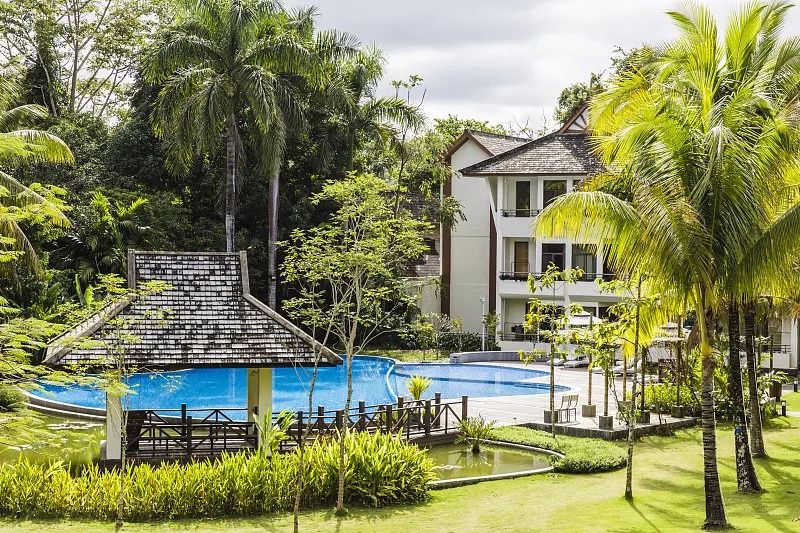
China's largest and most species-rich tropical botanical garden is located in Menglun Town, housing over 5,000 rare tropical plant species and serving as a flagship destination for tropical rainforest education and tourism. The park is divided into the West Zone and East Zone: the West Zone features meticulously designed landscaping with numerous popular photo spots where visitors can admire distinctive plants such as Nymphaea grandiflora, Beringia bungeana, and Plectranthus spinulatus; the East Zone is a pristine rainforest hiking area with authentic natural landscapes. From May to August each year, the nighttime firefly spectacle creates an immersive atmosphere, making it ideal for family outings, educational tours, and nature photography.
(2)Elephant Valley
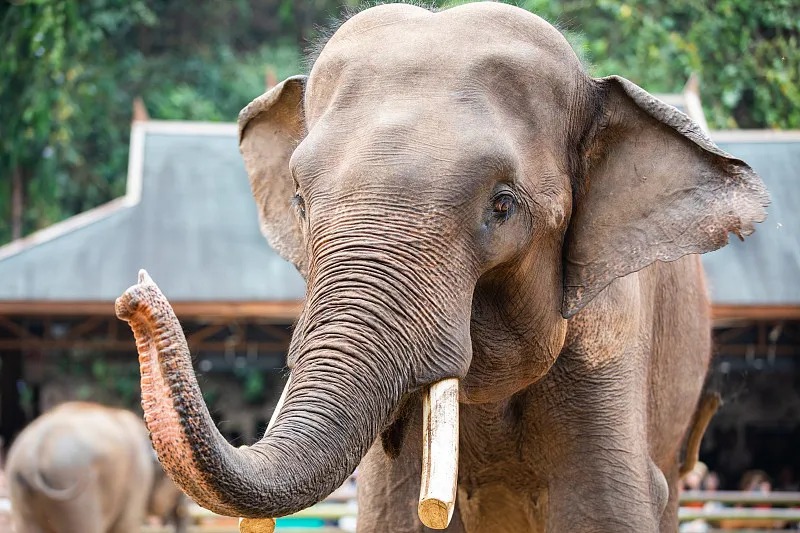
The only scenic area in China offering close-up observation of wild Asian elephants, it preserves a complete habitat ecosystem. Featuring elevated viewing walkways that faithfully recreate natural living conditions, visitors can safely encounter elephant herds foraging and playing in the water. The site also features interactive elephant school performances and rainforest elephant herding experiences, providing immersive insights into elephant behavior with high engagement and entertainment value – making it a must-visit natural attraction in Xishuangbanna.
(3)Manting Park + The Main Buddhist Temple
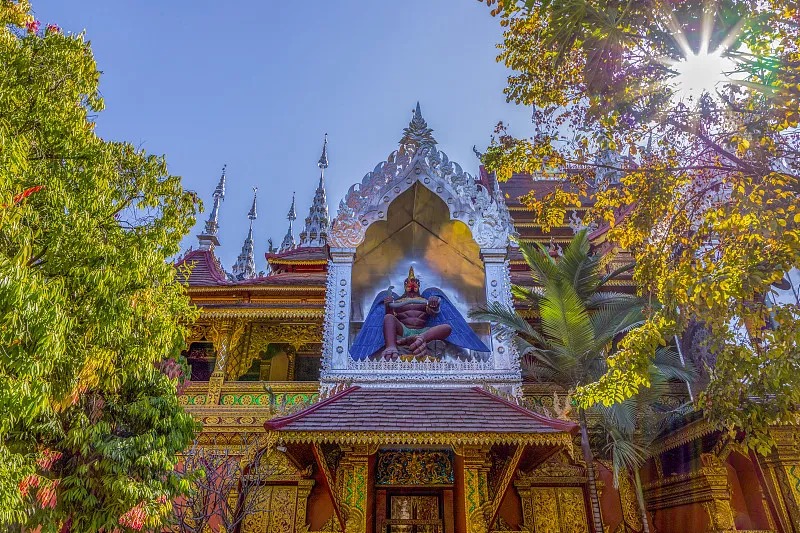
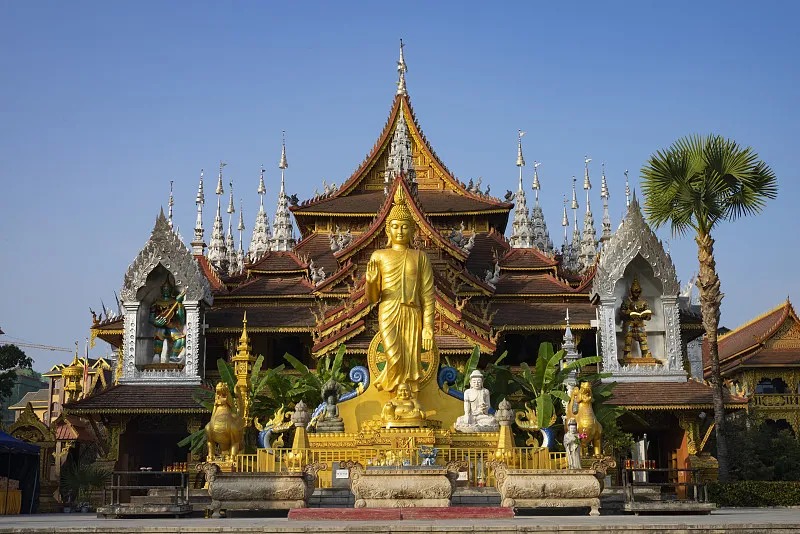
With a history of over 1,300 years, Manlang Park was originally the imperial garden reserved for Dai kings. It boasts lush tropical vegetation and exquisite Dai-style landscaping, offering breathtaking views at every turn that showcase the refined charm of Southeast Asia. Adjacent to the park stands the Zongfo Temple—the highest-ranking Theravada Buddhist monastery in Xishuangbanna, featuring golden roofs and white walls that exude solemn grandeur. Open to the public free of charge, it serves as an ideal spot for photography in traditional Dai style. At night, visitors can attend the "Lancang-Mekong River Night" bonfire festival, immersing themselves in performances of ethnic minority dances and songs alongside ceremonial fire rituals for blessings.
(4)Gaozhuang Xishuangjing · Starlight Night Market
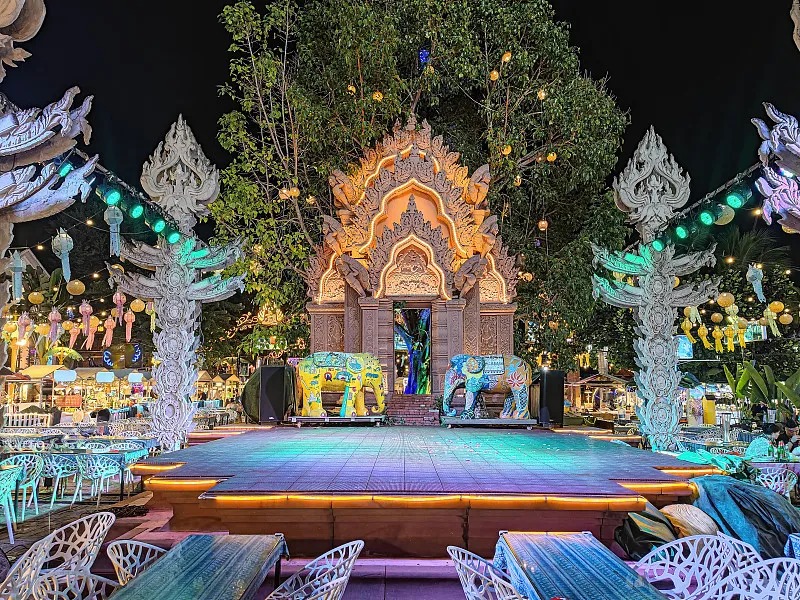
Revered as Southeast Asia's largest night market, it serves as Xishuangbanna's iconic city landmark and central nighttime attraction. After sunset, the Great Golden Pagoda glows with dazzling lights while the entire night market street buzzes with vibrant activity, offering a diverse array of offerings including Dai-style snacks, ethnic handicrafts, Southeast Asian clothing, and cultural accessories. It is also a prime destination for Dai costume photography, boasting a captivating nighttime ambiance that makes it a must-visit spot for tourists to explore, take photos, and savor local cuisine.
(5)Dai Ethnic Garden (Olive Valley)
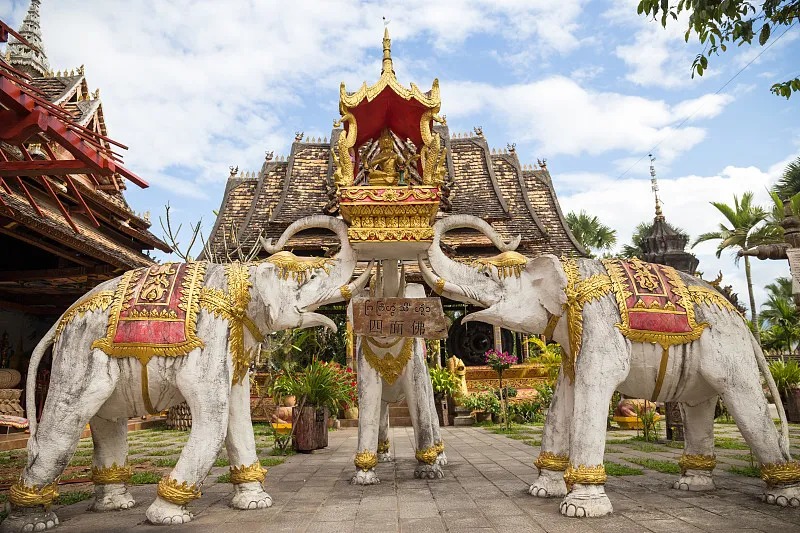
The "Living Dai Culture Museum," comprising five authentic Dai villages, fully preserves the traditional Dai lifestyle. The villages are dotted with simple stilted bamboo houses, allowing visitors to observe Dai dwellings up close and experience intangible cultural heritage crafts such as handmade papermaking and brocade weaving. The park hosts daily water-splashing festivities, enabling visitors to immerse themselves in the Dai people's most distinctive blessing ritual involving water play without waiting for the official Water-Splashing Festival—a highly interactive experience.
(6) Wangtianshu Scenic Area
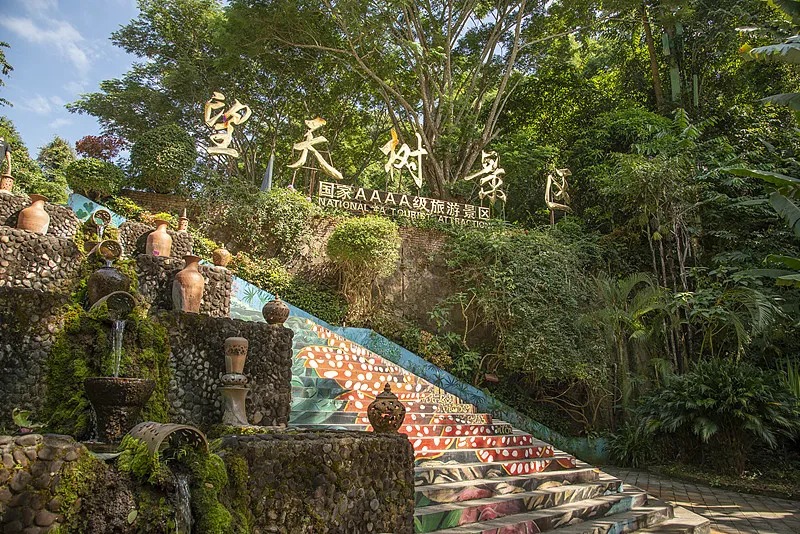
The core rainforest scenic area in Mengla County is renowned for its iconic 88-meter-tall sky-reaching tree, a hallmark of the tropical rainforest. The most distinctive feature of the area is the 36-meter-high canopy corridor that spans above the rainforest, offering panoramic views of the entire pristine tropical ecosystem. This thrilling experience allows visitors to immerse themselves in the grandeur of the rainforest and is ideal for those who enjoy hiking or seeking unique, off-the-beaten-path adventures.
III. Distinctive Ethnic Cultures
(1) The Core Culture of the Dai People
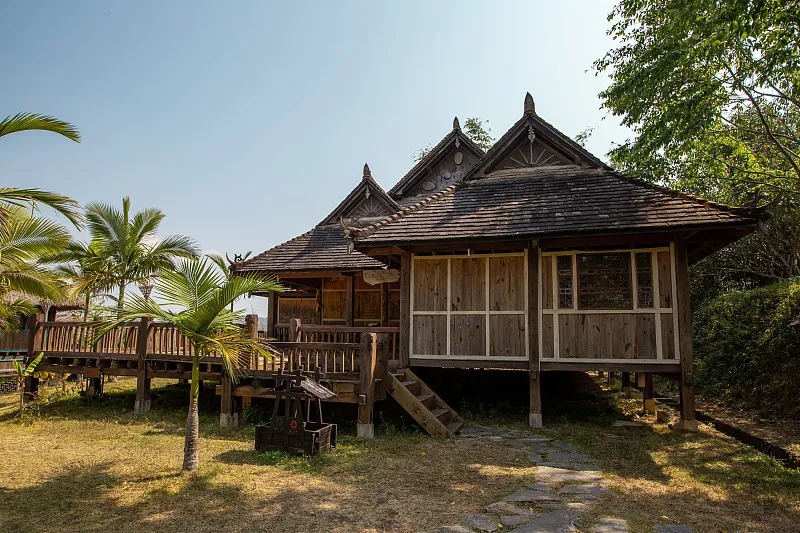
The Dai people constitute the majority ethnic group in Xishuangbanna and are renowned as the "People of Water." Their customs are gentle and simple, with all members adhering to Theravada Buddhism, giving rise to the distinctive regional feature of "every village having a temple and every household practicing Buddhism." It is a unique folk tradition among the Dai that young men undertake short-term monastic retreats during their youth.
The architecture predominantly features stilted bamboo houses, with upper floors for living and lower levels for ventilation and moisture prevention, perfectly adapted to Xishuangbanna's hot and rainy tropical climate. The region boasts a profound folk art heritage, exemplified by the graceful Peacock Dance and the vibrant Elephant Foot Drum Dance. The millennium-old palm-leaf scriptures, inscribed with iron pens on palm leaves, serve as precious carriers of the Dai people's cultural legacy.
(2) Distinctive Ethnic Festivals
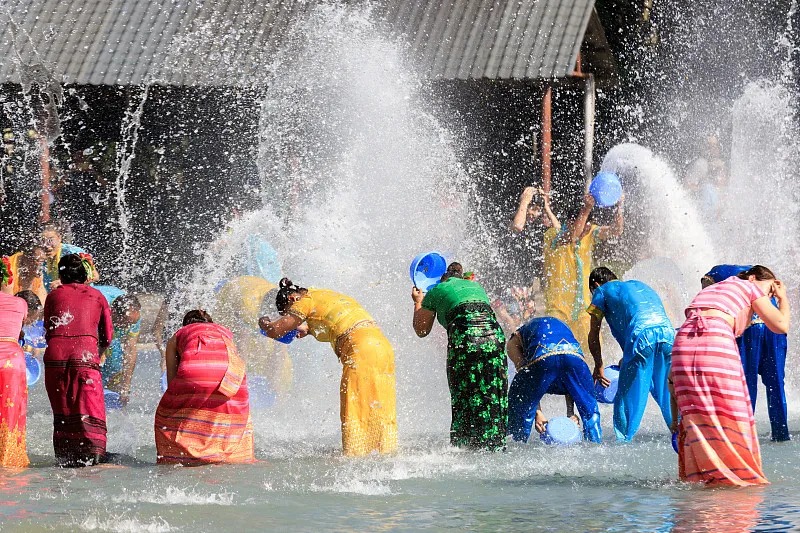
The Water-Splashing Festival (April 13–15): The Dai New Year, the most grand festival in Xishuangbanna, sees participation from all residents across the city in water-splashing rituals for blessings. Accompanied by dragon boat races, kite flying, Kongming lantern displays, and ethnic song and dance performances, the event creates a vibrant atmosphere symbolizing the cleansing of impurities and welcoming of new fortune—a perfect time to experience Dai cultural traditions.
(3) Intangible Cultural Heritage and Folk Skills
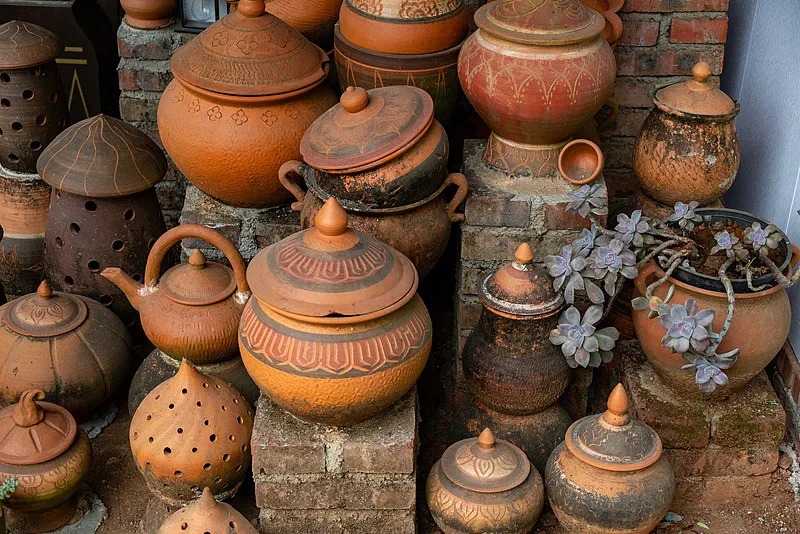
Xishuangbanna boasts numerous national-level intangible cultural heritage techniques. The Dai people's slow-wheel pottery-making tradition, with a history of 4,000 years, employs primitive methods such as using toe-pulled wheels and firing on flat surfaces, exhibiting a simple yet distinctive charm. Dai hand-woven brocades feature vibrant colors and exquisite motifs that embody ethnic totems and folk symbolism, making them highly valuable collectibles and artworks. Additionally, the Jino people, China's last officially recognized ethnic minority, reside in the Jino Mountains; their unique sun drum culture and traditional village hunting practices represent another highlight of Xishuangbanna's distinctive cultural landscape.
IV. Local Specialty Foods
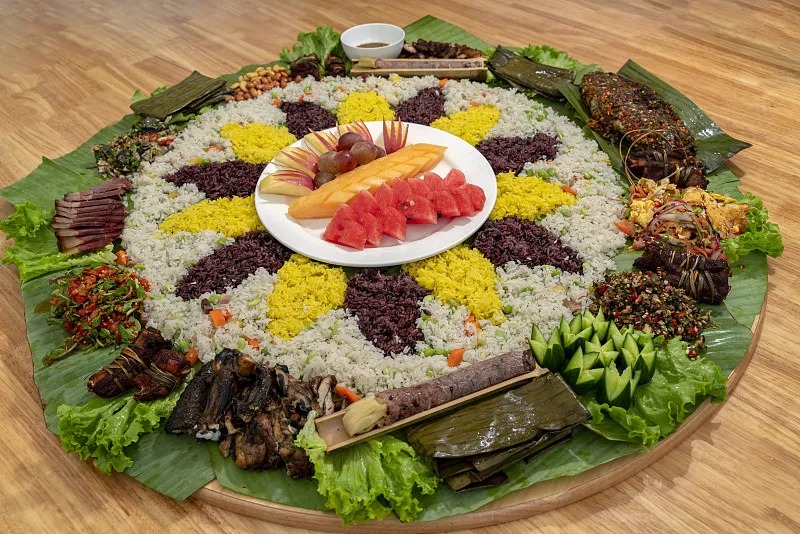
Dai cuisine is renowned for its tangy, spicy, fresh, and aromatic flavors, offering a refreshing, natural experience. Drawing on ingredients from rainforests and tropical spices, it has developed a distinctive southwestern flavor profile that cuts through greasiness, stimulates appetite, and leaves a lasting impression.
(1) Must-try signature dishes
1. Menghai Roasted Chicken: The ultimate Dai-style delicacy, featuring free-range chickens raised in bamboo forests roasted over lemongrass charcoal fire. The skin turns golden and crispy, while the meat remains tender and juicy—perfectly complemented by the signature Dai-style Nanmi dipping sauce for an exceptional flavor experience.
2. Lemongrass-Baked Fish: A classic dish from Xishuangbanna, featuring fresh tilapia wrapped in lemongrass and grilled to perfectly eliminate fishy odors while enhancing its aroma. The fish is tender and flavorful, offering a balance of sour-spicy taste with a lingering sweetness, accompanied by a refreshing herbal fragrance.
3. Pineapple Purple Rice: Combining the characteristics of both a staple food and a dessert, this dish features purple glutinous rice steamed with fresh pineapple, blending fruity aromas, rice fragrance, and a subtle coconut scent for a sweet yet creamy texture that is suitable for all ages.
4. Braised Series: Meat, fish, mushrooms, and other ingredients are wrapped in banana leaves and simmered or roasted to preserve their original flavors, imparting a natural herbal aroma, resulting in tender, juicy meat with a distinctive taste.
(2) Popular snacks at the night market
1. Chicken Feet: The soulful snack of Dai cuisine, these boneless chicken feet are paired with green papaya, lime, chili peppers, and coriander, hand-milled in a stone mortar for a tangy-spicy, crisp texture that cuts through greasiness and whets the appetite—making them a must-try at night markets.
2. Buluda: A signature Dai dessert featuring a coconut milk base paired with sago, purple rice, dried bread, and shredded coconut. Its refreshing sweetness and richly layered texture perfectly balance the sour-spicy flavors characteristic of Dai cuisine.
3. Da Wei Hand-Picked Rice: A distinctive meal with a strong ceremonial ambiance, served on banana leaves alongside various ingredients such as roasted chicken, grilled meat, cold dishes, glutinous rice, and dipping sauce, allowing guests to eat freely by hand. It exudes a vibrant, home-style atmosphere and is ideal for group gatherings.
(3) Tropical Fruit Specialties
Xishuangbanna is truly a paradise for fruits, producing abundant tropical fruits such as mangoes, mangostens, durians, jackfruits, saka fruits, and mini pineapples year-round. These fruits are freshly harvested during peak season, boast exceptional sweetness, and are affordably priced—making them must-try specialties for travelers.
V. Practical Travel Tips
1. Optimal travel period: November to April of the following year (dry season), characterized by cool and comfortable weather with minimal rainfall and abundant sunshine, making it ideal for sightseeing and vacations; May to October (rainy season), when the rainforest vegetation is lush and fruits are abundant, offering better value for money.
2. Clothing recommendations: Summer attire is suitable year-round; a light long-sleeved shirt suffices. When visiting Buddhist temples, wear long pants or skirts; shoulder and knee exposure is prohibited. Wearing Dai traditional clothing at night markets creates an excellent photo opportunity.
3. Essential travel items: Due to intense ultraviolet radiation in tropical regions, it is necessary to carry high-factor sunscreen and a sun hat; given the prevalence of mosquitoes in rainforests, mosquito repellent and anti-itch cream are essential.
4. Transportation Guide: It is convenient to take taxis to attractions within Jinghong city; for remote suburban attractions such as Wild Elephant Valley, Botanical Garden, and Wangtianshu, scenic area shuttle buses or carpooling options are available for a hassle-free experience.