
 English
 French
 Spanish
 Russian
 Arabic
 Italy
Italy
Shangri-La, meaning "the sun and moon in the heart" in Tibetan, is located in Diqing Tibetan Autonomous Prefecture of Yunnan Province at the tri-junction of Yunnan, Sichuan, and Tibet. It lies at the heart of the UNESCO World Natural Heritage site known as the "Three Parallel Rivers." With an average elevation of 3,300 meters and far from urban hustle and bustle, Shangri-La boasts spectacular high-altitude landscapes including snow-capped mountains, lakes, grasslands, canyons, and primeval forests, while preserving rich and authentic Tibetan folk customs and religious culture. It is truly regarded by many as a "secret paradise on earth and a plateau heaven." The following provides a comprehensive introduction to Shangri-La from three perspectives: its major attractions, folk culture, and distinctive cuisine.
I. Core Attractions: A Coexistence of Natural Wonders and Historical Architecture
1. Pudacuo National Park
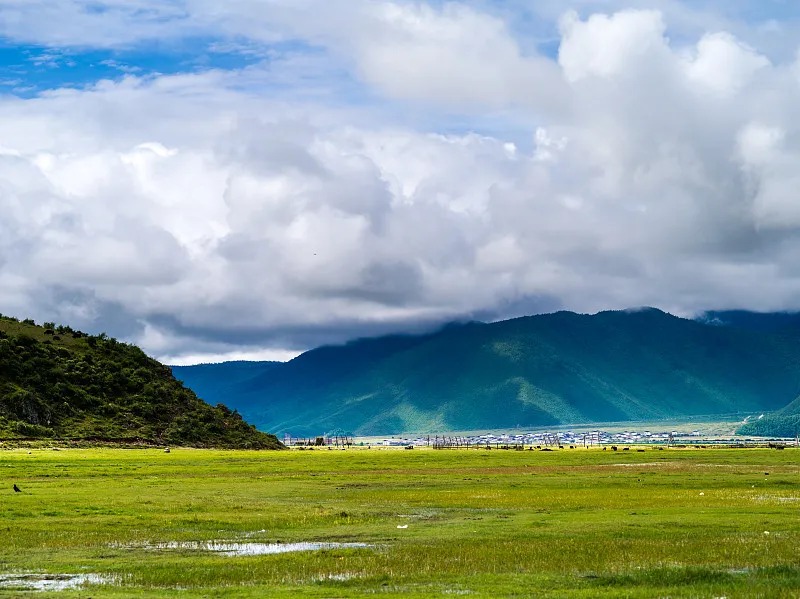
The first national park in Chinese mainland, and also the ecological hallmark of Shangri-La, it completely preserves the pristine plateau ecosystem. The scenic area mainly consists of three core regions: Shudu Lake, Bitahai Lake, and the Militang subalpine pasture. The crystal-clear alpine lakes reflect the continuous snow-capped mountains and primeval fir forests; the water is so transparent that the bottom is visible, while birds and animals inhabit the forests, creating an exceptional ecological environment. In spring and summer, the alpine azaleas covering the hillsides by the lakeside bloom in stunning splendor; in autumn and winter, the forests are painted in vibrant colors as snow blankets the mountains, creating a serene and ethereal atmosphere, earning it the reputation as "the last pure land on the plateau."
2. Songzanlin Temple (Little Potala Palace)
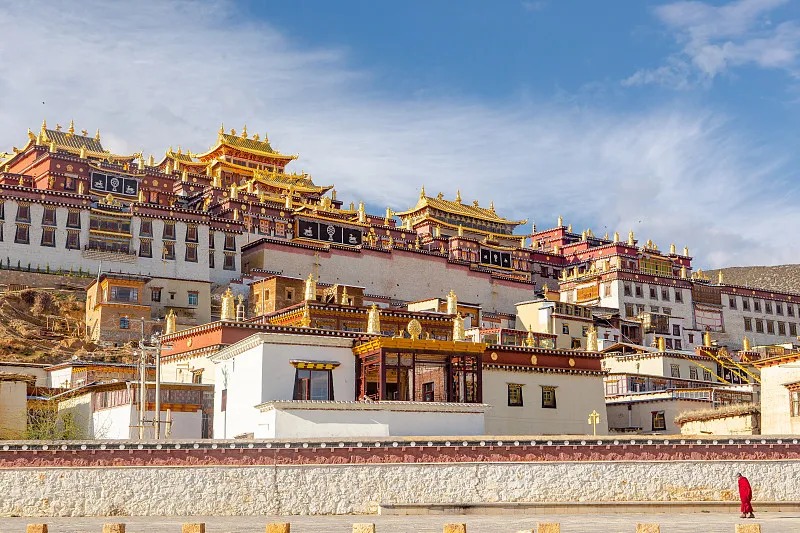
The largest Gelugpa Buddhist monastery in Yunnan Province and the religious center of the Tibetan community in northwestern Yunnan, this temple is nestled against mountains and beside water. Its architectural complex features layered structures and majestic golden roofs, presenting a grand and imposing sight reminiscent of the Potala Palace in Xizang, earning it the nickname "Little Potala Palace." The monastery houses millennia-old thangkas, exquisite murals, ancient Buddha statues, and various precious religious artifacts, reflecting its profound religious heritage. Daily, devotees can be seen circumambulating scriptures and praying for blessings. Traditional ceremonies such as the Merlangchenpo Festival in the first month of the Tibetan calendar and the Lantern Festival in October are held with solemn grandeur, vividly embodying the sacred atmosphere of Tibetan Buddhism.
3. Dokzong Ancient City (Moonlight City)
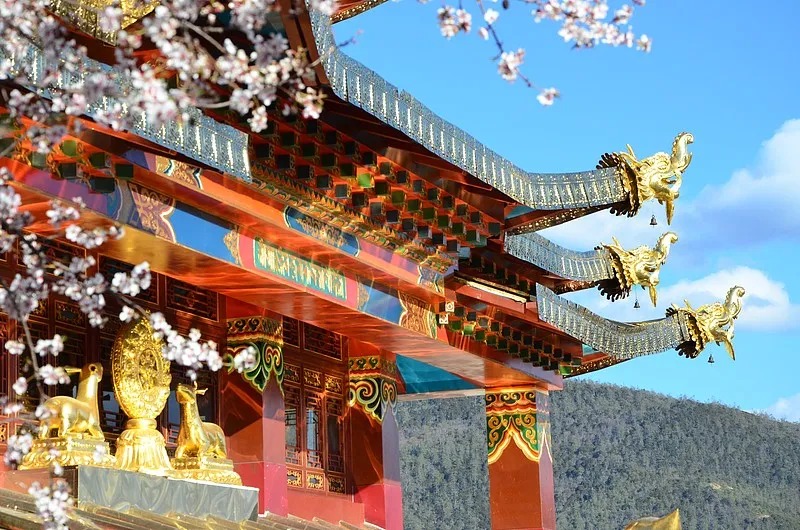
As a key hub along the 1,300-year-old Tea Horse Road, this ancient city is one of China's best-preserved Tibetan-style residential towns. Its layout follows the design of the eight-petaled lotus motif from Tibetan Buddhism. The bluestone path, worn down over millennia by caravans, bears hoof prints of varying depths that bear witness to the former prosperity of tea and horse trade. The city's central landmark is the massive prayer wheel at Guishan Park, standing 21 meters tall—the world's largest pure copper prayer wheel, requiring over ten people working together to rotate it. At night, moonlight bathes the ancient town as dancers perform lively dances around the square bonfire, creating an enchanting atmosphere.
4. Napa Hai Yila Grassland
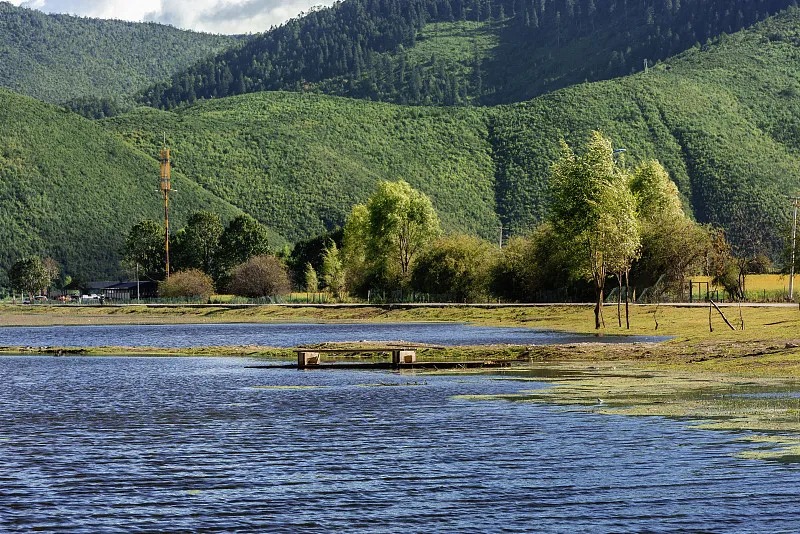
The iconic seasonal plateau wetlands of Shangri-La serve as a vital migratory bird habitat in northwestern Yunnan. Napa Lake and the Yila Grassland coexist harmoniously, with their scenery transforming seasonally: during summer's abundant rainfall, the lake shimmers with vast emerald waters where snow-capped mountains reflect in the surface, blending seamlessly with the sky; in autumn and winter, as the water recedes, the expansive grasslands turn golden, teeming with lush vegetation. Each year, rare migratory birds such as black-necked cranes and bar-headed geese stop here for wintering, while cattle and sheep graze across the grasslands. The landscape offers a healing grandeur, allowing visitors to experience cycling around the lake or horseback riding on the grasslands, immersively appreciating the beauty of the high-altitude wilderness.
5. Meili Snow Mountain · Feilai Temple
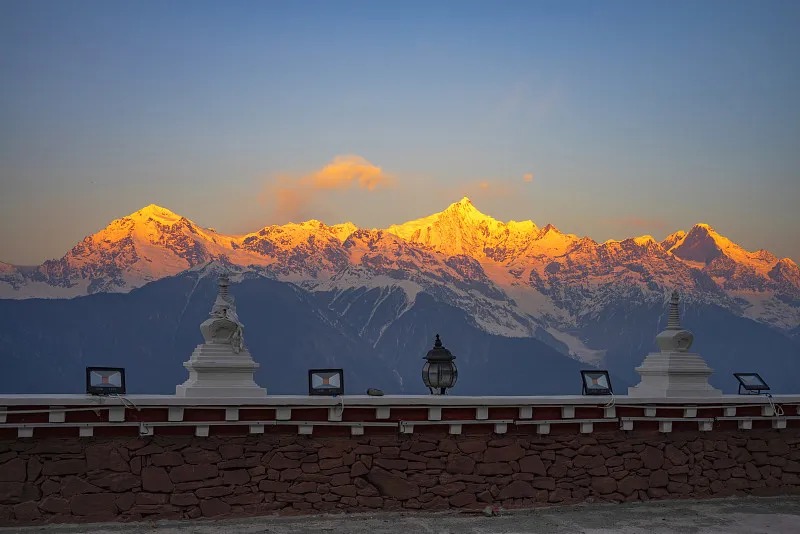
At the summit of Kawagebo Peak—the foremost among the eight sacred mountains in Tibetan regions and Yunnan's highest peak—stands this majestic snow-capped mountain at 6,740 meters above sea level, radiating sanctity and grandeur with its perennial snow cover. Feilai Temple serves as the premier vantage point for panoramic views of Meili Snow Mountain and the spectacular "Sunlit Golden Mountains" phenomenon. At sunrise, sunlight pierces through the clouds, painting the snow peaks in dazzling golden-red hues—a breathtaking spectacle that captivates countless travelers seeking Shangri-La. Below lies the Mingyong Glacier and the secluded Yubeng Village, where snow-capped peaks, glaciers, canyons, and forests converge, making it a top-tier hiking destination.
6. Niche and distinctive attractions
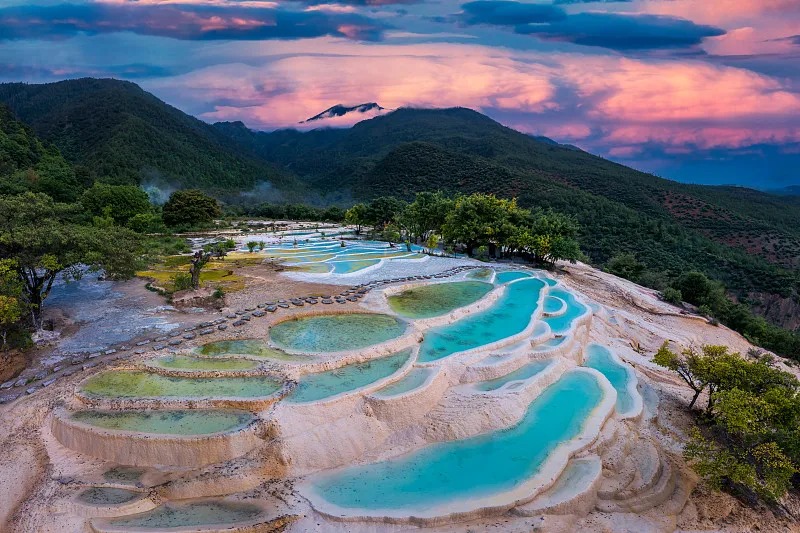
Baishuitai, renowned as the "China Cotton Fort," is a rare example of calcium carbonate travertine landform in China. Layer upon layer of milky-white terraced plains are nestled amidst lush green mountains, with clear and sparkling springs flowing gently, creating a scene reminiscent of an earthly paradise enveloped in ethereal beauty—a natural paradise for photography.
Bala Gezong: Known as the "Shangri-La's Little Jiangnan," it is nestled deep within mountain valleys, featuring a diverse landscape that includes snow-capped peaks, canyons, primeval forests, streams, and meadows. The majestic Gezong Snow Mountain stands tall amidst serene, deep valleys with pristine ecosystems and breathtaking scenery—a hidden gem renowned for its untouched natural beauty.
II. Folk Culture: The Millennium-Old Heritage of Tibetan Customs
1. Tibetan Buddhist Culture
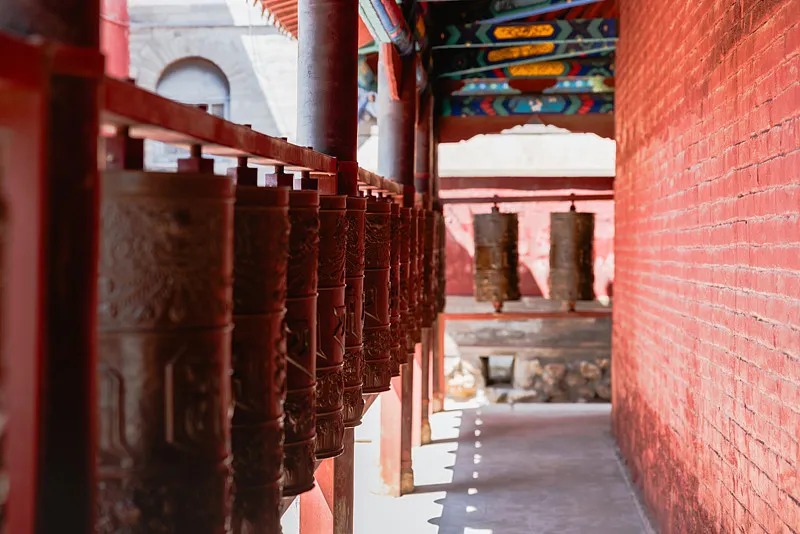
Religious culture forms the spiritual core of Shangri-La. The local Tibetan people maintain devout faith, with daily traditional rituals including prayer wheel rotation, pilgrimage, incense burning, hanging prayer flags, and scattering sacred seeds (longda). Intangible cultural heritage such as millennia-old Thangka painting, Tibetan incense craftsmanship, and Qam dance embody the Tibetan people's beliefs and aesthetic sensibilities. Religious ceremonies at various monasteries are solemn and dignified, preserving the authentic Tibetan Buddhist cultural system within a serene and sacred atmosphere.
2. The Culture of the Caravan Trade along the Ancient Tea-Horse Road
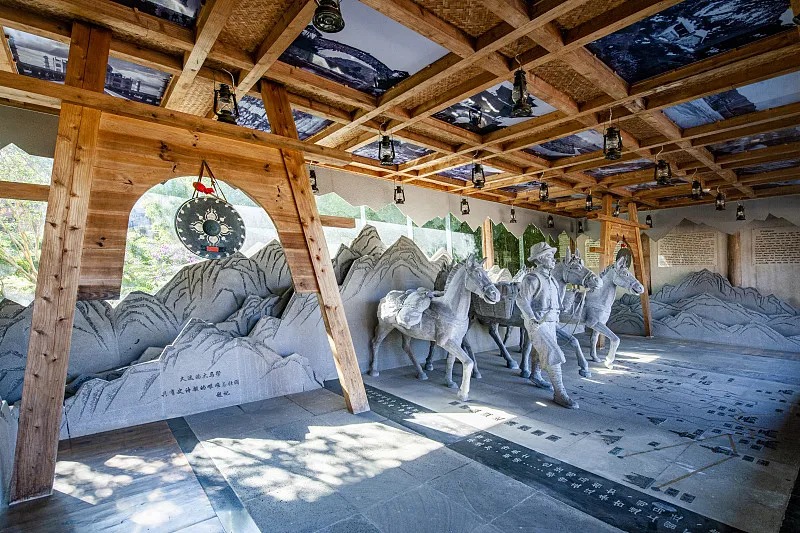
As a transportation hub along the Yunnan-Tibet Tea Horse Road, the ancient city of Drukgyal Dzong was once a major commercial center for over a millennium, witnessing the historical exchange of goods and cultural integration between Tibetans and Han Chinese. The ancient caravan culture took deep root here; century-old shops, the Leathercrafters 'Slope, and the historic caravan route within the city all bear witness to the travels of caravan merchants, recounting the prosperity and vicissitudes of the former tea-and-horse trade, and serve as a vital embodiment of Southwest China's tea-and-horse culture.
3. Ethnic Groups and Traditional Festivals
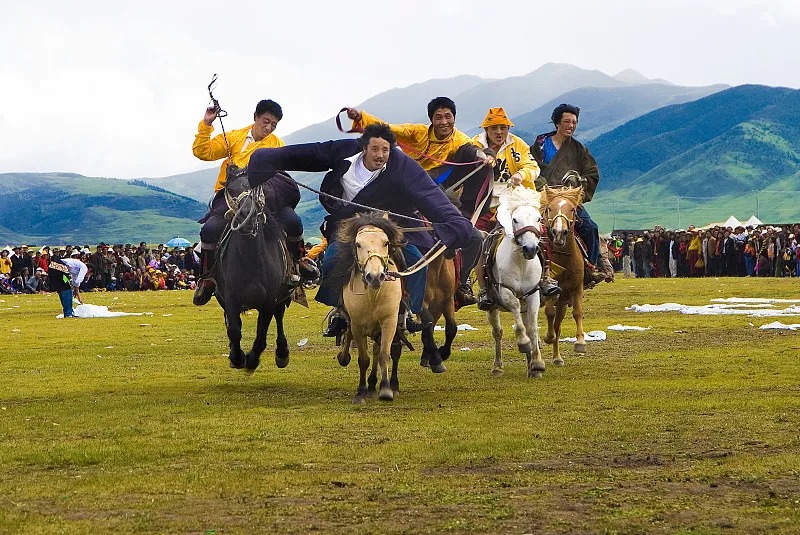
Shangri-La is predominantly inhabited by Tibetans, with a population comprising 25 ethnic groups including the Naxi, Lisu, and Bai peoples. The region features a vibrant tapestry of diverse cultures and unique folk traditions. Numerous distinctive traditional festivals are preserved locally: The Tibetan New Year, marked by incense burning rituals, deity worship ceremonies, scripture recitations, and family reunions, stands as the most grand celebration of the year; the Dragon Boat Festival showcases spectacular horse racing, archery competitions, and equestrian performances across the grasslands; while the Mountain Pilgrimage Festival sees communities spontaneously paying homage to sacred mountains and lakes in pursuit of blessings and peace—a tradition spanning millennia.
Moreover, the Guozhuang dance is a traditional folk dance enjoyed by people across the region. Every evening, a free bonfire-themed Guozhuang dance event takes place at the Moonlight Square in Dukezong Ancient City, where visitors from various ethnic groups join local Tibetans in dancing hand in hand, creating a vibrant and warm atmosphere.
4. Traditional intangible cultural heritage techniques
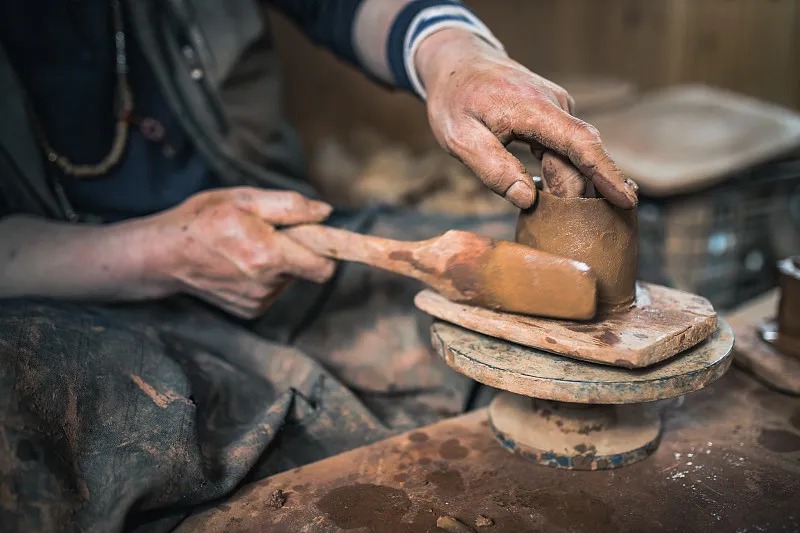
Nixi Black Pottery: A millennium-old intangible cultural heritage of handmade pottery, originating from Nixi Township in Shangri-La. Each piece is meticulously hand-molded and fired over wood fires, resulting in black pottery pots, tea sets, and vessels that exude rustic charm, durability, and strength—true hallmark handicrafts of the plateau region. Visitors can experience the entire pottery-making process firsthand.
Tibetan weaving: Crafted from pure plateau wool through handcrafting, these blankets feature traditional Tibetan patterns with vibrant colors and a rich texture. Combining practicality with artistic value, they stand as a classic example of Tibetan cultural craftsmanship.
III. Specialty Cuisine: Authentic Plateau Flavors
Shangri-La cuisine draws on pristine plateau ingredients, emphasizing natural freshness, aromatic flavors, and nourishing qualities. It features a distinct Tibetan culinary style with unique high-altitude characteristics.
1. Signature dish
Nixi Clay Pot Chicken: A nationally recognized intangible cultural heritage delicacy and a must-try signature dish in Shangri-La. This dish features plateau-raised free-range chickens paired with high-altitude ingredients such as matsutake mushrooms and cordyceps flowers, simmered over low heat in Nixi black pottery pots. The broth is rich and aromatic, while the meat is tender without being tough, offering nourishing properties that warm the stomach—a quintessential culinary delight of the plateau region.
Yak Beef Cuisine:raised free-range on the plateau, the yak produces meat that is firm yet tender, with a natural dairy aroma and no fishy or gamey taste. Classic preparations include hand-held yak beef dishes and yak beef hot pot. Clear stewing preserves the original flavor perfectly, paired with traditional Tibetan dipping sauces for a refreshing and satisfying experience that also helps combat the cold of high-altitude regions.
Highland Matsutake: A seasonal delicacy available from July to September each year, it is hailed as the "King of Fungi" and featured on the show "A Bite of China". Fresh matsutake can be prepared as sashimi, grilled over charcoal, stir-fried, or stewed in soup, offering a tender texture and rich fungal aroma—making it an unmissable treasure of the plateau.
2. Classic Tibetan staple food
Zhapba: The staple food of the Tibetan people, made by roasting highland barley and grinding it into fine powder, which is then mixed with butter tea and kneaded into a ball. It features a rich, aromatic texture with a natural barley fragrance, can be seasoned with white sugar, and boasts a distinctive flavor profile.
Qingke cake: Made from roasted highland barley flour, it features a crispy exterior and tender interior with a subtle hint of barley's mild acidity and rich aroma, providing excellent satiety. Its flavor is further enhanced when served with butter tea and dried yak meat.
Milk residue buns/milk residue cakes: Made with milk residue extracted from yak milk as the filling, these snacks offer a sweet-and-sour flavor that is refreshing. A distinctive delicacy of Tibetan cuisine, they feature a soft and sticky texture suitable for all ages and are commonly found at breakfast stalls in ancient cities.
3. Specialty Plateau Beverage
Butter tea: A signature beverage in Tibetan regions, prepared by simmering butter, brick tea, and salt. It boasts a rich savory aroma, rapidly warms the stomach, alleviates altitude sickness symptoms, and provides protection against the dry climate of high altitudes. This distinctive drink is specifically tailored for high-altitude environments, with a sweet variant also available to suit tourists' preferences.
Qingke liquor: Fermented from highland barley, it features a low alcohol content and a sweet-sour, refreshing taste with a smooth mouthfeel. It is an excellent choice for Tibetan hospitality, showcasing distinctive plateau characteristics.
Yak Yogurt: Naturally fermented from pure yak milk, it develops a rich, creamy crust on the surface with a thick texture and authentic sweet-and-sour flavor. Free from additives, its taste is further enhanced when sprinkled with white sugar, making it a distinctive dessert of the plateau region.
IV. Travel Tips
1. Optimal travel time: From May to June, the alpine azaleas bloom with a mild and humid climate; from September to October, the autumn scenery is breathtaking, coinciding with the matsutake mushroom harvesting season, offering the best views and experiences.
2. Altitude adaptation: Shangri-La is located at a high altitude; upon arrival, visitors should slow down their pace of activity, avoid strenuous exercise, drink ample water, and maintain adequate warmth. Butter tea can effectively alleviate symptoms of altitude sickness.
3. Clothing Tips: The temperature variation between day and night on high altitudes is significant, and ultraviolet radiation is intense. When traveling, prepare a waterproof jacket, light outerwear, and sun protection products to ensure adequate warmth and sun protection.