
 English
 French
 Spanish
 Russian
 Arabic
 Italy
Italy
Introduction
Chinese traditional food is the most vivid carrier of Chinese culture, carrying the Chinese people's love for life, reverence for nature, and nostalgia for family. After thousands of years of inheritance, it has long been integrated into the blood of the Chinese people, becoming a unique cultural symbol of the nation. From south to north, from east to west, every dish has its unique flavor and touching story. They are not only the enjoyment of the taste buds, but also the emotional sustenance of the Chinese people, allowing the Chinese people to find their own cultural roots in the busy life.
Regional Flavors: The Diverse Tastes of the Eight Major Cuisines
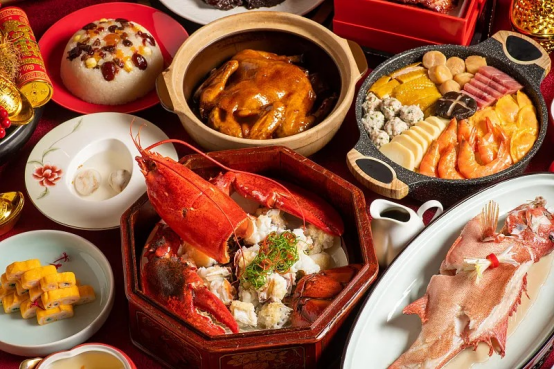
China has a vast territory, and different geographical environments and climates have bred completely different dietary flavors. The most representative of them are the Eight Major Cuisines. Sichuan cuisine is spicy and fragrant, Cantonese cuisine is fresh and original, Shandong cuisine is mellow and grand, Jiangsu cuisine is elegant and delicate, Zhejiang cuisine is fresh and tender, Anhui cuisine is heavy in oil and color, Fujian cuisine is sweet and sour, and Hunan cuisine is spicy and strong. Each cuisine represents the local customs and traditions, making the Chinese people's dining table full of diverse tastes.
Tea and Wine: The Chinese People's Drinking Culture
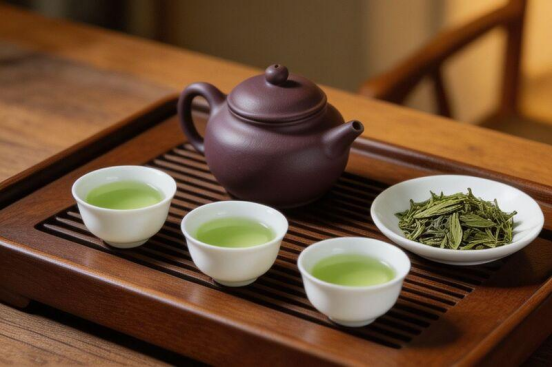
Besides food, tea and wine are also indispensable parts of the Chinese people's food culture. For the Chinese people, drinking tea is not just to quench thirst, but also an art of life. The brewing of Gongfu tea and the tasting of tea leaves all contain the Chinese people's philosophy of life, being quiet and far-reaching, peaceful and calm. Wine, on the other hand, is the bond of the Chinese people's social interaction. Whether it is a gathering of friends or a festival celebration, a cup of wine can bring people closer, conveying the Chinese people's enthusiasm and sincerity.
Festival Food Customs: The Inheritance of Taste in Festivals
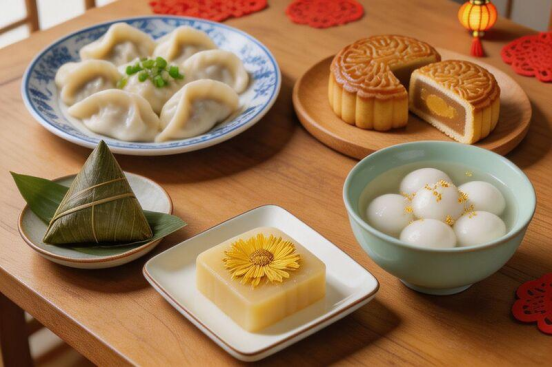
The Chinese people's festivals are always closely linked to food. Dumplings during the Spring Festival symbolize attracting wealth and treasure; mooncakes during the Mid-Autumn Festival symbolize reunion and happiness; zongzi during the Dragon Boat Festival carry the memory of Qu Yuan; tangyuan during the Lantern Festival represent reunion. Every festival has its own exclusive food. These tastes are not only the enjoyment of the tongue, but also the inheritance of culture, allowing the Chinese people to feel the festival atmosphere and cultural temperature while tasting the food.
Street Food: The Warmth of Snacks in the Market
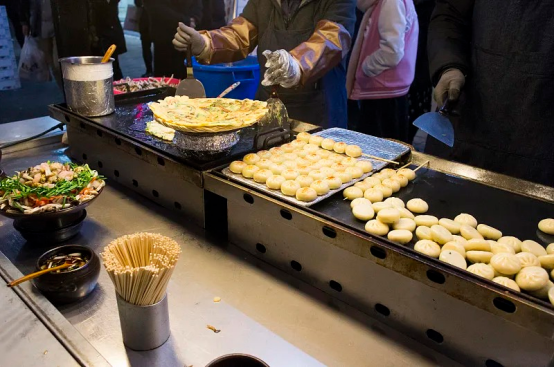
In the streets of Chinese cities, there are countless delicious snacks. Steamed buns, fried dough sticks, wonton, jianbing guozi, these seemingly ordinary foods carry the most real worldly warmth of the Chinese people. The breakfast stall in the morning, the snack street in the evening, the steaming food, the busy stall owner, the queuing customers, these ordinary scenes constitute the warmest daily life of the Chinese people. These street tastes are the most familiar hometown taste for the Chinese people.
Medicine and Food Homology: The Ancient Wisdom of Medicinal Food
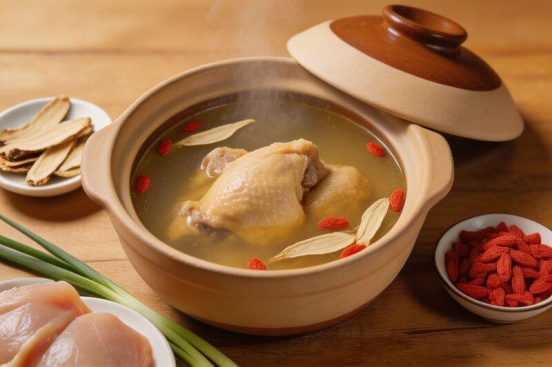
The Chinese people's diet is not just to fill the stomach, but also to maintain health. The concept of "medicine and food homology" has been passed down for thousands of years. The Chinese people believe that food can not only provide nutrition, but also regulate the body and prevent diseases. Angelica and wolfberry chicken soup, Poria cake, coix seed porridge, these medicinal foods perfectly combine ingredients and medicinal materials, allowing people to regulate their body while tasting the food. This is the ancient health preservation wisdom of the Chinese people.
Table Manners: The Culture of Tableware and Dining
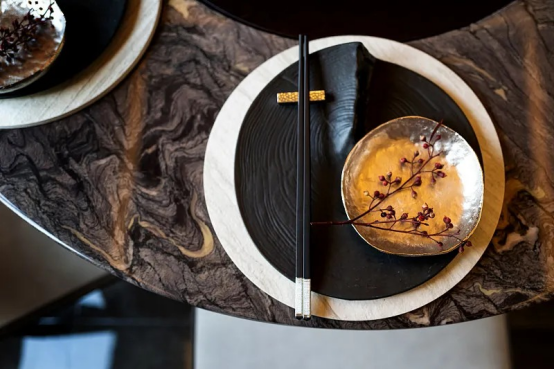
The Chinese people's dining table also has unique etiquette and culture. Chopsticks are the main tableware of the Chinese people. They are not just tools for eating, but also a symbol of Chinese culture, containing the Chinese people's doctrine of the mean. And the table manners, elders moving their chopsticks first, serving food to guests, these details all reflect the Chinese people's traditional virtues of respecting the elderly and loving the young, and being hospitable. Making eating not just filling the stomach, but also a cultural exchange.
Century-old Inheritance: The Taste Persistence of Time-honored Brands
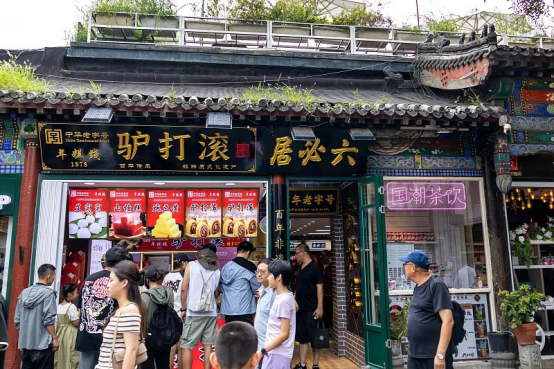
In China, there are many century-old time-honored food shops. After years of changes, they still adhere to the traditional taste. Quanjude's Peking duck, Goubuli's steamed buns, Zhiweiguan's dim sum, these time-honored brands are not only representatives of food, but also the inheritance of culture. They have guarded the Chinese people's taste for a hundred years, allowing these traditional foods to be passed down from generation to generation and known by more people.
Reunion Dinner: The Warmth of the Chinese People's Dining Table
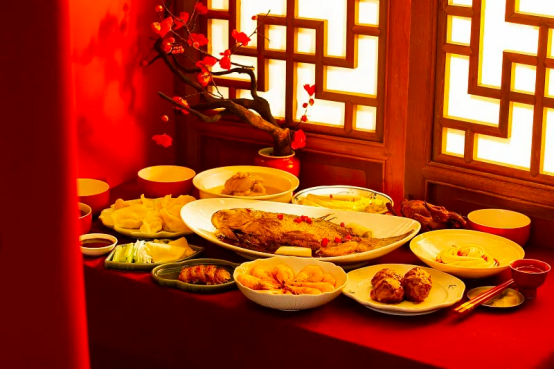
For the Chinese people, the most important food is always the family reunion dinner at home. The whole family sits around the table, sharing food and telling their thoughts. This is the warmest happiness of the Chinese people. No matter how far they go, the taste of home is always the most concerned by the Chinese people. This round dining table carries the family affection of the Chinese people, carries the culture of the Chinese people. This is the most touching part of Chinese food culture.
No matter how the times change, these foods are still the root of the Chinese people's culture and the sustenance of their emotions. They carry the history, traditions and emotions of the Chinese people, allowing them to still find their own cultural belonging in the busy modern life. This is the charm of Chinese traditional food, the eternal inheritance of thousands of years of culture.